The way mornings start, the foods that show up on the table, and the small reminders parents give throughout the day slowly shape how kids take care of themselves. Early childhood is when these patterns stick the easiest because routines quickly become normal parts of life.
Families living in Tribeca often have an advantage when it comes to building these habits. Walkable streets, nearby parks, and family-friendly spaces make it easier to include movement, outdoor play, and regular health appointments as part of the weekly routine.
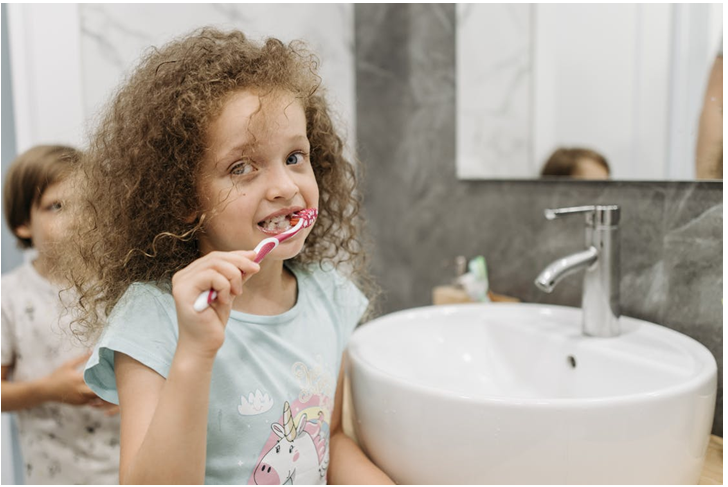
One of the easiest ways parents build healthy habits in young children is through repetition. Kids thrive on routines because they help the day feel predictable. When brushing teeth, washing hands, and getting ready for bed happen at the same time every day, children begin to understand that these activities are simply part of daily life. They stop feeling like chores and start feeling normal.
Early health routines often include regular medical and dental visits as well. Introducing children to healthcare environments early can help them feel relaxed rather than nervous about appointments. For example, visiting a provider who offers pediatric dentistry in Tribeca can help children become familiar with dental care while they are still young.
Children feel more secure when their day follows a familiar structure. A predictable morning routine can include simple steps like brushing teeth, getting dressed, and eating breakfast together. When children know what comes next, they move through the routine with less resistance.
Evenings work the same way. A calm bedtime routine might involve putting toys away, taking a bath, reading a short story, and brushing teeth before sleep. These repeated steps signal to children that the day is winding down.
Kids learn a lot about food by watching what their parents do. If family meals regularly include vegetables, fruits, and balanced portions, children begin to see those foods as normal rather than unusual. When parents enjoy those foods themselves, children are far more likely to try them.
Shared meals also create an opportunity to talk casually about food. Parents can mention how certain foods help the body grow, provide energy, or keep the body strong. Such simple conversations make nutrition feel interesting instead of restrictive. In this way, children begin making healthier choices because those foods are already part of their daily experience.
Screens can easily take over a child’s day if boundaries are not set. While technology can be useful, too much time with tablets or televisions often replaces the kind of movement children naturally enjoy. Setting reasonable limits on screen time creates space for other activities.
Active play helps children develop coordination, creativity, and confidence. Whether they are running at the park, building something with blocks, or playing pretend games with friends, movement and imagination both support healthy development.
Handwashing is one of the simplest health habits parents can teach, yet it has a big impact. Young children may not fully understand germs at first, but they quickly learn that washing hands happens before meals, after using the bathroom, and after playing outside.
Turning handwashing into a routine makes it easier for children to remember. Parents sometimes use songs or counting games while washing hands so the process feels fun instead of rushed.
Many parents underestimate how early drink habits form. If juice or sweet drinks appear often during the early years, children quickly start expecting them with meals. A simple shift that helps build healthier habits is making water the normal drink at home. When water is always available and offered first, kids grow used to it without much resistance.
Parents can make this easier by keeping reusable bottles nearby or serving water with every meal. Over time, children begin reaching for water automatically because it feels familiar. Occasional treats like juice then stay occasional rather than becoming daily expectations. Small decisions like this shape how kids think about hydration as they grow.
Children naturally enjoy moving, climbing, running, and exploring new spaces. When parents regularly take kids outside, it becomes one of the easiest ways to support physical health without turning it into “exercise.” Parks, playgrounds, neighborhood walks, and simple outdoor games can become part of the weekly routine.
Outdoor time also encourages curiosity. Kids notice trees, animals, weather changes, and other details that spark questions and conversations. For families in city environments, even short visits to nearby parks can provide space for children to move freely and develop confidence in their bodies.
Healthy development is not only about physical habits. Learning how to interact with other children plays a major role in emotional well-being. Playdates, playground visits, and group activities help children learn cooperation, sharing, and communication.
When kids play together, they practice solving small disagreements, waiting their turn, and understanding other perspectives. Such experiences help build emotional awareness alongside physical activity.
Young children often show curiosity about what they eat when parents involve them in small ways. Letting kids help wash vegetables, stir ingredients, or place food on the table can make them more interested in meals. These moments also create opportunities to talk about different foods in simple ways.
Parents might explain where certain foods come from or why some foods help the body grow strong. Even small activities like visiting a farmers’ market or choosing fruits at the grocery store can make food feel more interesting. When children feel involved, they often become more open to trying new foods.
Children watch their parents constantly, even when adults are not aware of it. The habits parents practice daily often influence children more than instructions do. When parents drink water, stay active, prepare balanced meals, and maintain personal hygiene, kids begin copying those behaviors naturally.
This modeling effect works because children view their parents’ actions as the normal way to live. When healthy choices appear consistently at home, children adopt them without feeling forced. Eventually, these everyday examples become powerful lessons about caring for their bodies.
Building healthy habits in children during the early years does not require complicated plans. Simple routines, positive examples, and small daily choices often make the biggest difference. When parents introduce these habits in the initial years and repeat them consistently, children grow comfortable with behaviors that support their health for years to come.

This post has been published by the admin of our website, responsible for content management, quality checks, and providing valuable information to our users.