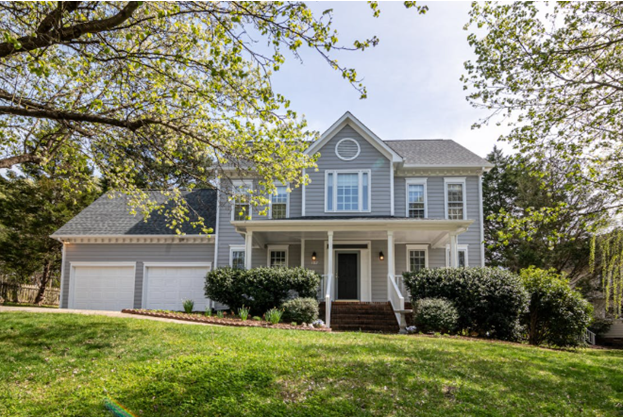
Most homeowners feel their home is safe simply because nothing has gone wrong yet. But safety issues rarely show up all at once. They build slowly—through small gaps, worn-out materials, or things you stop noticing over time. A door that sticks, a window that rattles, or a dark corner outside might not seem urgent, but these are often early warnings. The problem is that people get used to them. They adapt instead of fixing them. That’s where risk grows. This article focuses on real, practical signs that often get ignored. If you catch them early, you can avoid bigger problems and make your home genuinely safer—not just “good enough.”
Doors That Don’t Fully Secure Your Home
If your door doesn’t close smoothly or needs extra force to lock, it’s already a problem. Many homeowners ignore this because the door still “works,” but a poor fit weakens the entire entry point. Gaps between the door and frame make it easier to force open. Loose hinges or a weak strike plate can fail under pressure. Over time, even small misalignments can worsen due to weather and daily use.
This becomes even more important in areas that face strong winds or storms, where doors are exposed to sudden pressure and flying debris. A weak entry point doesn’t just affect security—it affects how well your home holds up during extreme conditions. That’s why many homeowners start thinking about hurricane protection & home safety when evaluating their doors. A secure door should close without effort and lock firmly. If it doesn’t, fixing it early is much easier than dealing with damage later.
Windows That Let Air and Noise In
A window that lets in outside air or noise is not just an energy issue—it’s a safety concern. Drafts often mean the seals have worn out or the frame has shifted slightly. When that happens, the window becomes easier to push open or damage during strong weather. If you hear rattling when the wind picks up, that’s another warning sign. It usually means the window is not tightly secured in its frame. You should also check if the lock feels firm or loose when engaged. A well-installed window should feel stable and quiet. If yours doesn’t, it’s worth looking into repairs or upgrades before the issue grows.
Water Leaks That Signal Hidden Damage
Water around windows or doors is easy to ignore at first, especially if it dries quickly. But even small leaks can cause long-term damage inside walls and frames. Over time, moisture weakens the structure and creates soft spots that you might not notice right away. You may see peeling paint, slight discoloration, or swelling near edges. These are early signs that water is getting in. The bigger concern is what you can’t see—rot or mold developing behind the surface. This affects both safety and indoor air quality. If you spot any signs of water intrusion, it’s important to find the source and fix it before the damage spreads further.
No Clear Way Out During Emergencies
Many homes don’t have a proper emergency exit plan, even though people assume they do. A window might be painted shut, a door may stick, or furniture could block a quick path out. These issues don’t seem urgent until you actually need to leave in a hurry. You should test how easily doors and windows open, especially in bedrooms and main living areas. Make sure nothing is blocking access and that everyone in the home knows how to exit quickly. It’s also important to check locks and handles regularly. A safe home is not just about keeping threats out—it’s also about making sure you can get out without delay.
Dark Outdoor Areas Around Entry Points
Poor lighting outside your home creates blind spots that make it easier for someone to approach without being seen. Many homeowners only focus on the front entrance and forget about side doors, backyards, or garage areas. These darker spots often become the weakest points. You should walk around your home at night and notice where visibility drops. If you can’t clearly see certain areas, that’s a problem. Motion lights can help, especially near entry points, but even basic lighting can make a difference. Good visibility discourages unwanted activity and helps you feel more aware of your surroundings. Lighting is a simple upgrade, but it plays a big role in overall safety.
Garage and Back Entrances That Are Easy to Break Into
Most people secure their front door but overlook the garage or back entrance. These areas often have weaker locks or older materials. A garage door with a basic latch can be forced open without much effort, especially if it lacks reinforcement. Side doors connected to garages are another common weak point. If the door feels hollow or the lock seems basic, it’s easier to break through than you might think. You should also check how the garage connects to the house. If that interior door isn’t secure, it creates a second risk. Strengthening these entry points improves overall home security and removes easy access points that often go unnoticed.
Outdated Materials That No Longer Hold Up
Homes built years ago often use materials that wear down faster than modern options. Old window frames can warp, and older glass is easier to crack under pressure. Doors may look fine on the surface but have weakened cores inside. Even seals and weather stripping lose strength over time, which affects both safety and durability. The problem is that these changes happen slowly, so they are easy to ignore. You should pay attention to signs like fading, soft edges, or difficulty in operation. Replacing outdated materials does more than improve appearance. It strengthens the structure and helps your home handle everyday stress and unexpected conditions more reliably.
A safe home is not just about visible security features. It depends on how well every part of the structure holds up over time. Small issues like loose doors, drafty windows, or poor lighting often point to bigger risks. The key is to notice these signs early and take action before they turn into serious problems. You don’t need major renovations to improve safety. Simple fixes, regular checks, and smart upgrades can make a real difference. When you stay aware of these details, you protect not just your home, but also the people inside it. A little attention now can prevent a lot of trouble later.

This post has been published by the admin of our website, responsible for content management, quality checks, and providing valuable information to our users.