A cluttered home feels overwhelming. Clearing it out often brings visions of stark, minimalist spaces lacking personality. Good news? Decluttering does not mean stripping away style or turning living spaces into something cold. The right approach creates organized, functional homes still showing unique taste. The key lies in strategic choices about keeping items, storing them, and arranging belongings, maintaining both order and visual appeal.
Start with Intentional Storage Solutions
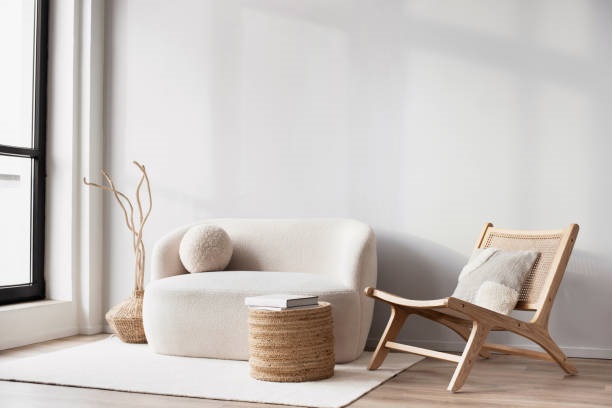
Stylish decluttering foundations begin with choosing the right storage options. Rather than hiding everything behind closed doors or stuffing items into random containers, think about storage as room décor. Woven baskets, wooden crates, and attractive boxes serve dual purposes, keeping items organized while adding texture and visual interest.
Need more organization options for larger items or seasonal belongings? Nowadays, you can find storage containers for sale that offer practical solutions for keeping excess items secure and organized off-site. These units provide climate-controlled spaces protecting furniture, holiday decorations, sports equipment, and family heirlooms you want keeping but lack room for at home. Renting external storage means your living spaces stay clutter-free without permanently parting with meaningful possessions.
The beauty of this approach? You maintain organized homes while knowing cherished items remain safe and accessible when needed. Matching fabric bins on open shelving look intentional and curated rather than messy. Vintage suitcases stacked in corners hold seasonal items while serving as conversation pieces. The goal involves selecting storage solutions that balance immediate accessibility with long-term preservation needs.
Embrace the One In, One Out Rule
Maintaining clutter free homes requires ongoing commitment, not single weekend cleaning. The one in, one out rule stays simple: bringing something new means something old leaves. This practice stops accumulation over time, forcing thoughtful purchase decisions.
This rule works well with clothing, books, and kitchen gadgets. Before buying new sweaters, ask which wardrobe pieces they go with. This approach naturally limits impulse buying, helping build collections of truly loved, regularly used items. Homes stay organized without constant major cleaning sessions. Personal style remains sharp through careful selection rather than buying everything.
Apply this rule to children's toys, preventing playrooms from overflowing with unused items. Donate outgoing items immediately instead of storing them creating temporary clutter piles. Track purchases monthly ensuring the balance between incoming and outgoing items stays maintained consistently.
Create Zones for Everything
Why do homes turn cluttered? A major reason involves items lacking designated spots. Everything having specific locations makes putting things away automatic rather than a chore. Designate zones for different categories: spots for keys and mail near entrances, charging stations for devices, reading nooks with nearby book storage, and coffee stations in kitchens.
Should zones be useful and attractive? Absolutely. Use trays to corral countertop items. Hooks matching hardware, hang bags, and coats. Drawer dividers keep small items from jumbling. Each item having its place makes homes naturally look pulled together. Less time is wasted searching for misplaced things.
Label containers clearly so family members know exactly where items belong after use. Create landing zones near doorways where daily essentials get dropped immediately upon entering. Establish dedicated homework stations for children, keeping school supplies contained in single accessible areas.
Display Collections Thoughtfully
Collecting things means giving up treasured items through decluttering? Not at all. The secret lies in display methods. Instead of spreading collections randomly throughout homes, group similar items together to create a visual impact. Gallery walls of framed art look intentional. Random frames scattered across multiple walls appear chaotic.
Rotate displays seasonally or monthly, keeping things fresh. Store some items, bringing others out periodically. This prevents visual overwhelm while allowing for enjoying full collections over time. Use matching frames, uniform shelving, and consistent colors to create cohesion. Collections displayed with clear intention become focal points enhancing décor rather than adding clutter.
Floating shelves showcase favorite books while keeping spines aligned for clean visual lines. Glass display cases protect delicate collectibles from dust while making them visible focal points.
Maximize Vertical Space
Many focus on floor space during decluttering. Walls offer tremendous organizational potential, though. Floating shelves, pegboards, and wall-mounted organizers hold everything from books to kitchen utensils, keeping surfaces clear. This approach works especially well in small spaces where every square foot counts.
Styling opportunities here prove significant. Open shelving displays beautiful dishes, plants, decorative objects alongside functional items. Pegboards in entryways hold keys, sunglasses, small bags, appearing like intentional design features. Wall-mounted planters bring greenery without consuming surface area. Vertical storage approaches keep homes feeling open and spacious, providing room for belongings.
Choose Multi-Functional Furniture
What makes furniture decluttering a game-changer? Pieces serving multiple purposes. Ottoman storage benches provide seating and hidden storage. Console tables with drawers keep entryways tidy. Beds with built-in drawers eliminate the need for additional dressers. Coffee tables with lower shelves offer display space for books and magazines.
Selecting furniture means considering what each piece does beyond primary functions. Dining tables with extension leaves accommodate guests without consuming constant space. Desks with built-in filing keep office supplies organized. Thoughtful furniture selection approaches mean fewer pieces overall, creating cleaner appearances that meet practical needs. Storage ottomans double as extra seating during gatherings while hiding blankets and throw pillows inside. Sofa beds transform living rooms into guest rooms, eliminating dedicated guest bedrooms.
Maintain Clear Surfaces
Nothing makes spaces look more cluttered than crowded countertops, tables, and dressers. Make it a habit to keep surfaces as clear as possible, displaying only a few carefully chosen items. Kitchen counters might hold coffee makers, small plants, and decorative bowls. Not mail, random utensils, various appliances.
Should you keep surfaces completely bare? Not necessarily. That feels cold and sterile. Instead, curate displays. Group items in odd numbers, making it more visually pleasing. Use trays containing smaller objects together. Change styling with seasons, keeping things interesting. Clear surfaces make entire homes feel more spacious and intentional, providing much easier cleaning.
Creating clutter-free homes and maintaining personal style proves entirely achievable with strategic approaches. Processes require making deliberate choices about owning items, storing them, and displaying them.

This post has been published by the admin of our website, responsible for content management, quality checks, and providing valuable information to our users.