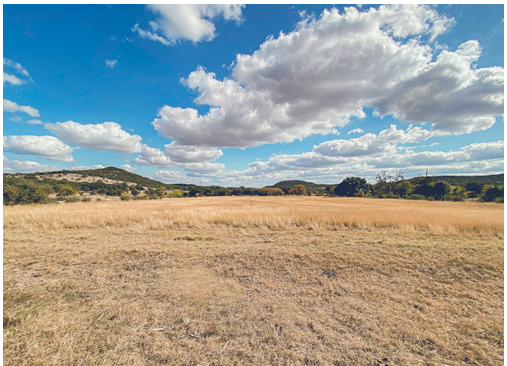
Ever had that moment where you’re halfway to your destination and realize you packed for the wrong climate, forgot the charger, and booked a room next to a construction zone? In Texas Hill Country, a little pre-trip effort goes a long way. This region blends small-town charm with shifting weather and unpredictable cell service, so winging it rarely works. In this blog, we will share how to prepare before heading out so you spend less time scrambling and more time enjoying the trip.
Where You Stay Shapes the Entire Trip
In Texas Hill Country, your lodging doesn’t just give you a place to sleep. It sets the tone for everything else. People assume all accommodations in the area are created equal—until they realize they picked a spot too far from anything, with bad parking and no shade. The region is massive, stretched out over miles of winding roads and isolated turns. Booking on a whim sounds bold, but in practice, it often leads to frustration.
Start by figuring out how you actually want to spend your time. Are you driving in every day or staying put? Do you want to walk out the door and feel like you're already in it—or are you fine with commuting? How you answer those questions should guide where you stay, not just what looks cute on Instagram. Availability can change quickly, especially during peak seasons or local events, so book well in advance.
There’s a wide range of places to stay in Texas Hill Country, from rustic lodges to upscale resorts and everything in between. What matters more than the decor is how well the spot fits the way you travel. For those seeking a memorable stay in Bandera, TX, Riverwalk RV Resort is one of those places that surprises people—in a good way. The name sounds like it belongs in a brochure, but the experience is grounded, practical, and quietly elevated. It’s built for people who want a mix of comfort, character, and a sense of the place they’re actually in. This is the kind of spot that reminds you a good stay isn’t about fancy extras—it’s about how easily you can settle in.
Pack for Shifts, Not Seasons
Hill Country doesn’t follow the weather rules most people expect. Temperatures here fluctuate by the hour. You’ll start in a hoodie and end up sweating by midday, only to throw on a windbreaker again by dinner. Weather apps won’t always help because what’s true in one pocket of the region can feel completely off just twenty miles away.
So don’t pack with a fixed idea of the season. Pack for the day’s rhythm. Layering is essential. Think breathable base layers, lightweight jackets, and clothes that can be shed or added without much hassle. Footwear should be both durable and forgiving, because this isn’t a flip-flop kind of terrain—even if the weather suggests it might be. Bring gear you won’t regret having to wear for hours, not just something that looks good for a single photo.
Don’t forget sun protection. The heat isn’t always brutal, but UV exposure creeps in quietly here. Sunglasses, sunscreen, and a hat with actual coverage (not just aesthetic) are worth the space in your bag. Wind is another factor that goes overlooked. It cuts through lighter fabrics and can make evenings colder than they look. So a windproof layer isn’t overkill—it’s strategy.
Offline Is Real Life Here
The thing people forget about Texas Hill Country is how little of it cares about your Wi-Fi signal. This isn’t a digital dead zone, but it’s not a connectivity paradise either. Depending on your carrier, you’ll hit spots where your phone drops out completely, and if you’ve pinned all your plans to digital maps or cloud-stored documents, you’re asking for frustration.
Before heading out, download offline maps of the area you’re staying in, especially if you’re driving between towns. Paper maps might feel like overkill, but they never run out of battery and don’t care about signal. If you’re relying on GPS for more than just directions—like gas stations, food, or emergency services—you’ll want more than one backup plan.
If your itinerary includes any time off the grid, prep accordingly. Bring printed confirmations of where you’re staying, phone numbers for check-in, and physical copies of anything you might need to reference. Assume you won’t be able to pull it up on your phone mid-trip. Planning like you’re visiting a less-developed region may feel overcautious, but that’s exactly the mindset that keeps your trip smooth when tech lets you down.
Supply Chains Don’t Stretch Like They Do in Cities
The more remote the town, the less likely it is to have exactly what you want on short notice. That means whatever you think you’ll “just pick up when we get there” might not actually be there. Assume that once you leave the city, convenience becomes a luxury.
Pack essentials with the assumption you won’t be able to buy them once you arrive. Think medication, chargers, specific snacks, baby gear, or anything that serves a specific function. Local stores are stocked for the needs of the people who live there, not tourists cycling through. You won’t always find what you’re used to—even the gas station selection will remind you you’re somewhere else.
It’s also worth packing things that improve comfort but aren’t sold anywhere: portable fans for stuffy rooms, water bottles with built-in filters, or small coolers that keep drinks cold while you’re out all day. These aren’t over-the-top luxuries. They’re the kind of pre-trip prep that makes a noticeable difference by Day Two when you’re tired and hungry and the nearest store closed at 6 p.m.
Mental Shifts Matter More Than Most People Realize
You can’t prep for a Hill Country trip like it’s just another vacation. This region doesn’t run on artificial schedules or manufactured thrills. It moves slower, stays quieter, and expects you to do a little more thinking for yourself. And that shift, once you lean into it, is part of the reward.
It helps to adjust your expectations before you get there. Not everything will go as planned. Not everyone will be in a rush to serve you. But that’s exactly the point. People don’t come here for convenience. They come for clarity. To be reminded that there are still places where the day unfolds on its own terms. Where the signal fades and something else kicks in—like actual attention.
That kind of experience takes more effort to access. But when you prep well, you spend less time reacting and more time noticing. You stop trying to bend the place to fit your rhythm and let the rhythm shift you instead. In a world obsessed with speed, that kind of adjustment is not just refreshing. It’s necessary. And it starts before you ever get in the car.

This post has been published by the admin of our website, responsible for content management, quality checks, and providing valuable information to our users.