Ever walked into someone’s house and immediately felt uncomfortable, even though the temperature was technically “perfect”? You’re not imagining it. Home comfort goes far beyond what the thermostat says. It’s a mix of invisible forces, familiar quirks, and even a few psychological games your house might be playing on you.
The idea that a single device on the wall can control your entire home experience is a bit outdated. Sure, thermostats play a role, but comfort is a layered thing—kind of like a lasagna of sensory experiences. Air temperature is just the top layer. There’s also humidity, air flow, indoor pollution, natural light, and even noise. If any of these are off, your house might feel less “homey” and more like an airport lounge—functional, but lifeless.
In recent years, especially with the rise in remote work, Americans are spending more time indoors. That means the things we used to shrug off—drafty windows, weird smells from the vents, dry air in winter—suddenly feel like major violations of personal peace. Our homes are no longer just living spaces; they’ve become offices, classrooms, and therapy zones. And the demand for comfort has risen with every Zoom call.
In regions where winters bite hard and summers hit like a heatwave from a hair dryer, professional HVAC care isn’t a luxury—it’s survival. But as the focus on energy efficiency increases, there's a shift from simply heating or cooling a space to doing it smartly and sustainably. That’s where companies like A-1 Heating and Air Conditioning & Electric come in. It's not just about fixing a unit when it breaks, but about designing a system that balances temperature with ventilation, air quality, and power usage.
Modern systems don’t operate in a vacuum. They respond to your home’s layout, your habits, and even the weather forecast. Tech-savvy providers help optimize all that. A one-size-fits-all approach is inefficient at best and expensive at worst. So, while your thermostat might say 72°F, how that number feels depends on much more—and it’s companies with a holistic approach that make the difference between “just okay” and “perfect.”
A home with stale air feels heavy, even when it’s technically cool. Ventilation is what keeps things from getting stuffy—and yet, it’s often overlooked. You wouldn’t wear the same shirt every day without washing it, but some folks let indoor air hang out for days without proper circulation.
Ceiling fans, open windows, and clean ductwork matter. Especially now, as concerns about indoor air quality are growing post-pandemic, proper airflow has entered the chat. The CDC and EPA have both emphasized how good ventilation helps reduce exposure to airborne contaminants, not just viruses. If your home feels “off,” it might not be your AC—it might be that the air hasn’t moved in a while.
Ever feel like your home is sticky in summer, but your thermostat says everything’s fine? That’s humidity undermining your comfort. Ideal indoor humidity ranges from 30% to 50%, but most thermostats don’t manage that directly.
High humidity can make a 75°F room feel like 85°F, while dry winter air can irritate your skin, throat, and sleep. Investing in a humidifier or dehumidifier, depending on the season, isn’t just about comfort—it protects your health and your home (mold and warping wood aren’t just cosmetic issues). It’s no wonder that HVAC companies are seeing more calls about humidity control than ever before.
Comfort isn’t always about temperature. Light affects mood more than we realize. Natural light boosts serotonin and regulates sleep, while poor lighting makes everything feel dreary. If your thermostat is working overtime, maybe it’s because your curtains are fighting it by letting in too much heat—or not enough.
Sound also matters. A quiet hum from a well-maintained unit is fine. But if your HVAC sounds like a jet engine or the neighbor’s lawnmower is basically inside your living room, you won’t feel at ease. Soundproofing, white noise machines, or even moving a desk away from a window can do more than adjusting the thermostat ever will.
Let’s be honest: nothing ruins the feeling of a cozy home faster than a surprise $300 energy bill. Efficient HVAC systems, insulation upgrades, and smart thermostats save you money, but they also reduce stress—which is part of comfort too. No one relaxes when they’re waiting to see how much that “just a little warmer” winter setting is going to cost.
The recent focus on climate change has led to a boom in energy-conscious home upgrades. From solar panels to Energy Star-certified systems, being green isn't just about polar bears—it's also about reducing monthly anxiety. And yes, peace of mind counts as comfort.
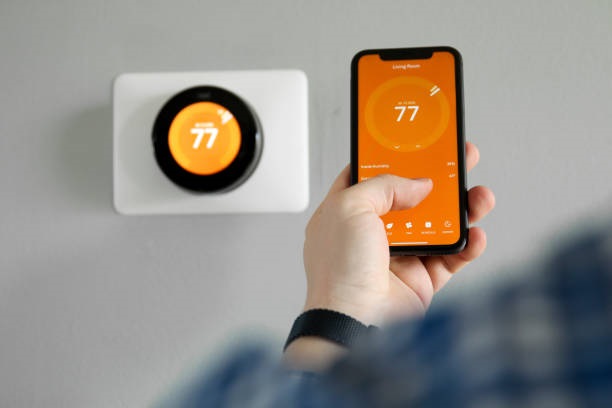
Smart thermostats are everywhere now. They learn your habits, respond to voice commands, and make you feel like Tony Stark. But even the smartest tech can miss the mark. Ever walked into a “smart” room that turned off the AC because it thought you weren’t there? Machines don’t always get it right.
Plus, tech isn't immune to human error. A study from the American Council for an Energy-Efficient Economy found that smart thermostats only save money if they’re set up properly. Spoiler alert: many people don’t bother. So while the device might be smart, comfort still needs a human touch.
Your home is more than bricks, wires, and ductwork. It’s a place of memory and meaning. A squeaky floorboard might drive a guest crazy, but to you, it’s part of the charm. Comfort is subjective. That’s why two identical homes can feel completely different depending on who’s inside them.
Sociologists point out that people now crave “cozy” more than ever. It’s why cottagecore exploded on social media, and why Pinterest is full of earthy tones, plush furniture, and warm lighting. We’re not just managing climate inside our homes—we’re curating vibes. And no thermostat can measure whether a space feels safe, welcoming, or truly yours.
Ultimately, your thermostat is only one player in a much bigger cast. Achieving true home comfort requires looking at the full picture: air quality, humidity, light, noise, energy use, and even your own sense of security and style. Comfort lives in the details—and those details don’t always come with a digital display.

This post has been published by the admin of our website, responsible for content management, quality checks, and providing valuable information to our users.