You try to put something away, and there is nowhere left that makes sense, so it ends up on a chair, or a counter, or just stays where it was. It is not always clutter in the usual sense. It is more like space running out in quiet ways, one small decision at a time, until everything feels a bit tighter than it should.
Most homes are not short on space all at once. It builds slowly. A few extra items here, a temporary pile there, and suddenly storage stops working the way it used to. Expanding the home is not always realistic, so people start adjusting around the problem instead of fixing it directly.
Walls tend to be underused, even in homes that feel full. Most storage sits at eye level or below, which leaves a lot of space above untouched. Once shelves are extended higher, or cabinets are stacked properly, the room starts to carry more without feeling crowded.
It takes a bit of adjustment. Items that are used less often move up, while everyday things stay within reach. It is not a dramatic change, but it shifts how space is used. Over time, it reduces the pressure on lower storage areas that tend to overflow first.
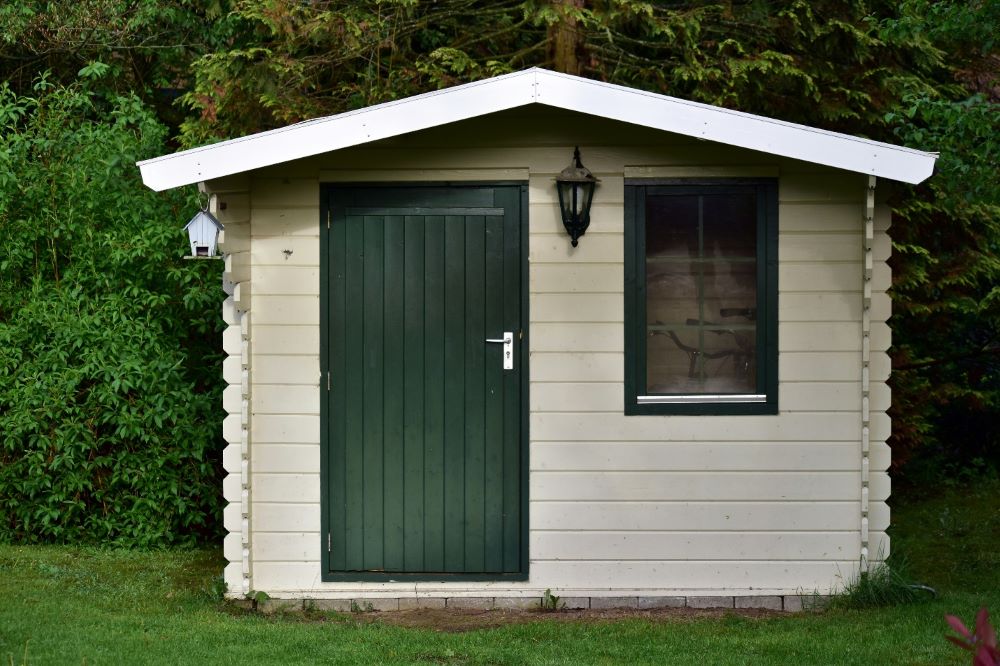
At some point, indoor adjustments stop making enough of a difference. You move things around, add shelves, reorganize again, and still the space feels full. That is usually when the idea of moving storage outside starts to make sense. You can buy shipping container of a size that suits your storage needs and expand the room outside your immediate living space.
External storage works differently because it separates what you use daily from what you keep. Tools, seasonal items, or things that rotate in and out of use can be stored without taking up living space. It creates a kind of buffer that the house itself cannot provide. This shift is not about getting rid of things. It is more about placing them where they belong based on how often they are used. When that balance is right, the home starts to feel lighter, even if nothing has been removed.
Closets are often treated as dumping zones once they reach capacity. Things get pushed in, stacked, or hidden behind other items. It works in the short term, but it creates more friction later. A small shift in how closets are used can make a noticeable difference. Instead of stacking deeper, organizing in layers helps. Items used daily stay at the front. Less-used items move to the back or higher shelves. It sounds simple, but it is often skipped.
There is also a tendency to store unrelated items together just because space is available. Over time, that makes closets harder to use. Keeping categories separate, even loosely, reduces that problem.
Furniture often has more storage potential than it appears. Beds, benches, and even sofas can hold items if used properly. The space underneath is usually the first place to start.
Storage boxes or built-in drawers can turn that area into something useful. It is not always convenient for daily items, but it works well for things that are needed occasionally. Seasonal clothing, extra linens, or backup supplies fit naturally here. This approach does not add new space, but it uses existing space more fully. It also keeps items out of sight, which helps the home feel less crowded overall.
There are parts of the home that do not get much attention. Entryways, corners, even the space behind doors. These areas are not large, but they can carry small storage functions if used carefully.
Hooks, narrow shelves, or compact cabinets can fit into these spaces without disrupting movement. They handle smaller items that would otherwise end up scattered around. Keys, bags, or daily-use objects tend to collect here. It is not about filling every gap. It is about using the right gaps in a way that reduces clutter elsewhere. Small zones like this help keep main areas clear.
One of the quieter problems in storage is trying to keep everything accessible at the same time. It sounds practical, but it often leads to overcrowding. Not every item needs to be within reach year-round.
Rotating items based on season or use can ease that pressure. Clothes, decorations, or tools that are not needed for a few months can be stored away properly. When they come back into use, something else moves out. This creates a cycle instead of a buildup. It does require a bit of planning, but once it becomes routine, it reduces the need for constant reorganization.
There is a tendency to hide clutter rather than solve it. Boxes without labels, closed cabinets filled without order. It looks tidy from the outside, but it creates confusion when something needs to be found.
Clear storage systems work differently. Transparent containers, simple labels, or even open shelving make it easier to see what is there. It reduces the time spent searching and prevents duplicate items from being stored unknowingly. It is not about making everything visible, but about making storage understandable. When you know what is stored and where, the system holds up longer.
No storage setup stays perfect. Needs change, items come and go, and routines shift. Trying to lock a system in place usually leads to frustration. It helps to treat storage as something that evolves. Small adjustments every few months keep things from building up again. Moving items, clearing out what is no longer needed, or changing how a space is used. It is not a full reset each time. More like maintenance. The kind that keeps things working without needing a complete overhaul.
There is a point where things start to settle. Not perfectly organized, but easier to handle. You know where things are, and putting them away does not feel like a problem. That is usually the goal, even if it is not clearly defined at the start. Not more space, but space that works better. It is a gradual process, sometimes uneven, but it leads to a home that feels less crowded without actually getting bigger.

This post has been published by the admin of our website, responsible for content management, quality checks, and providing valuable information to our users.