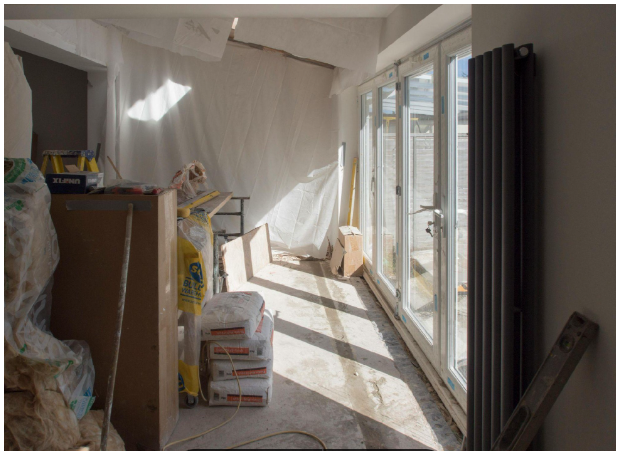
Home renovations usually start with excitement. You picture fresh paint, updated rooms, and a space that finally feels right. Most homeowners plan carefully and set a budget before work begins. Even with good planning, renovations often uncover problems you did not expect.
These issues can feel stressful, especially when they slow the project or increase costs. The good news is that most renovation problems are common and manageable. Knowing what to expect helps you react quickly and make smart choices. This article walks through the most frequent problems found during home renovations and explains how to deal with them in a calm and practical way.
One of the most common surprises during renovations is mold. Once walls, floors, or ceilings are opened, moisture damage often becomes visible. Leaky pipes, roof issues, and poor ventilation can allow moisture to sit for years without notice. Mold thrives in these conditions.
Homeowners often spot mold in bathrooms, basements, kitchens, and behind drywall. The smell may appear before the growth becomes visible. Ignoring mold can cause health concerns and structural damage. This is why professional mold removal & remediation becomes important when mold appears during renovation work.
Addressing mold early protects both your health and your investment. Professionals identify the source of moisture, remove affected materials, and treat the area properly. This step prevents the problem from returning after renovations finish. Once the area is clean and dry, contractors can safely continue the project.
Structural problems often stay hidden until demolition begins. Contractors may uncover rotting wood, cracked beams, or weak framing behind walls and floors. These issues can result from long-term moisture exposure, pest damage, or poor construction from earlier renovations.
Structural damage affects the safety of your home. If contractors find these issues, work should pause right away. A licensed structural professional should assess the damage and recommend repairs. Although structural fixes add cost, ignoring them can lead to bigger issues later.
Dealing with structural problems early ensures your renovation lasts. Reinforcing the structure gives you peace of mind and helps prevent future repairs.
Older homes often contain outdated electrical systems. During renovations, contractors may find old wiring, overloaded circuits, or improper installations. These problems create fire hazards and may not meet current building codes.
Signs of electrical issues include brittle wires, missing grounding, or overloaded breaker panels. Renovations provide the perfect opportunity to upgrade wiring safely. Bringing electrical systems up to code protects your home and improves efficiency.
A licensed electrician should inspect and update any unsafe wiring before walls close. This step helps avoid costly repairs later and reduces safety risks.
Plumbing problems frequently appear during kitchen and bathroom remodels. Old pipes may show corrosion, cracks, or leaks once the walls open. Improper past repairs can also create hidden issues that were never fully fixed.
Small plumbing problems can cause major water damage if left untreated. A slow drip behind a wall can soak insulation and weaken framing over time. Moisture buildup can also lead to mold growth, which adds another layer of repair. During renovations, replacing aging pipes often makes sense. This approach helps prevent leaks that could damage new flooring, cabinets, or drywall after the project is finished.
Fixing plumbing issues early reduces the risk of future repairs and unexpected shutdowns. It also helps ensure that new fixtures work properly and last longer.
Many homeowners face budget challenges during renovations. Hidden problems, material upgrades, and design changes can quickly increase costs. Even small changes add up over time.
A realistic renovation budget should include a contingency fund. Setting aside extra funds helps absorb surprise costs without panic. Homeowners should prioritize essential repairs over cosmetic upgrades when budgets tighten.
Clear communication with contractors helps control costs. Ask for updated estimates when changes arise and confirm pricing before approving additional work.
Permits often cause unexpected delays. Some homeowners begin renovations without realizing permits are required. Inspectors may stop work if permits are missing or incomplete.
Permits protect homeowners by ensuring work meets safety standards. They also matter for insurance and resale value. Applying for permits early helps avoid delays later.
Contractors should explain which permits are needed and who handles them. Homeowners should confirm this information before work begins to keep the project moving smoothly.
Miscommunication creates many renovation problems. Unclear expectations can lead to mistakes, delays, and frustration. Homeowners may assume details are understood when they are not. Small misunderstandings can grow into larger issues once work is underway.
Clear communication starts with written plans and timelines. These documents help define the scope of work and reduce confusion. Regular check-ins help everyone stay aligned and address concerns before they escalate. Asking questions early prevents misunderstandings later and keeps the project on track.
Good contractors welcome communication and provide updates throughout the process. They explain changes and discuss solutions when problems arise. Homeowners should feel comfortable discussing concerns and requesting clarification at any stage of the project.
Material delays have become more common in recent years. Backordered items can stall renovations for weeks and disrupt schedules. Choosing low-quality materials to avoid delays may seem tempting, but it often leads to repairs or replacements later.
Before starting work, confirm material availability with suppliers. Ordering materials early can reduce delays and help maintain the timeline. Selecting reliable products helps avoid future repairs and unexpected costs. Quality materials often last longer and perform better over time.
Flexibility also helps. Having backup material options keeps the project moving if delays occur.
Renovation problems can feel overwhelming, but they are part of the process. Most issues have clear solutions when addressed early. Hidden damage, outdated systems, and budget challenges become manageable with the right approach.
Staying informed helps homeowners make confident decisions. Acting quickly protects your home and keeps renovations on track. With patience and preparation, renovation challenges can lead to safer, stronger, and more comfortable living spaces.

This post has been published by the admin of our website, responsible for content management, quality checks, and providing valuable information to our users.