Many outdoor spaces look inviting at first but become uncomfortable faster than expected. A chair feels fine for ten minutes, then your back aches. The sun shifts, and suddenly there is no shade. The air cools, and everyone heads inside. This happens because most outdoor areas are set up to look good, not to support real use. Comfort outdoors does not come from style alone. It comes from planning around how people actually spend time. When an outdoor space works well, you stop checking the clock. You stay longer, move less, and feel more at ease.
Creating that kind of space requires thoughtful choices that focus on daily comfort, protection, and ease.
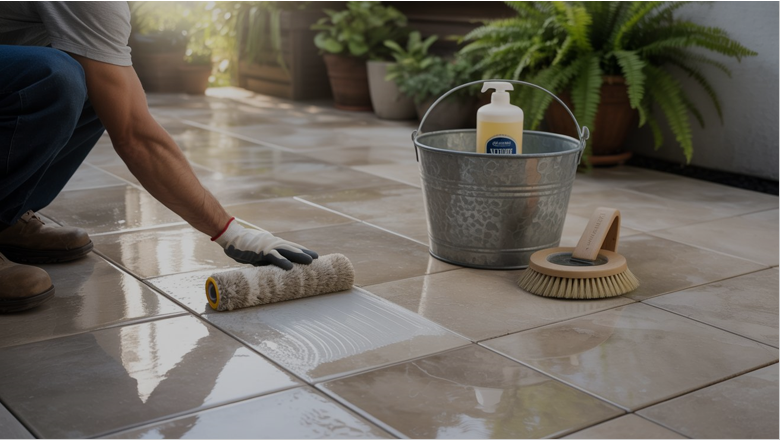
Comfort starts by being honest about how the space will be used. Some people imagine long dinners or quiet reading time, but in reality, they snack, work on a laptop, or talk with friends. A comfortable outdoor space supports those habits instead of forcing people to adjust. Think about how long you plan to stay outside and what you usually do during that time. If you eat outside often, surfaces matter more than décor. If you rest or read, seating and shade become the priority. When the layout matches real behavior, the space feels natural instead of staged.
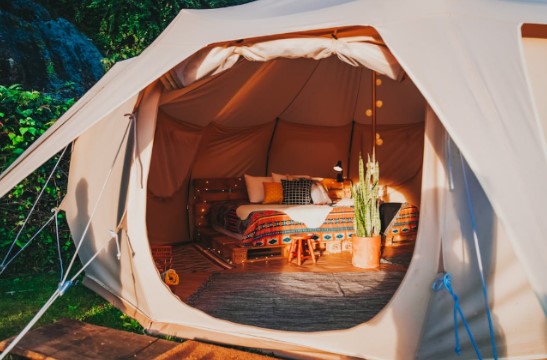
One of the biggest comfort mistakes is treating shelter as an afterthought. Light shade might look fine on a calm day, but wind, rain, or temperature changes quickly expose its limits. A good shelter reduces stress because it lets you stay put when conditions shift. This means choosing materials and structures that hold up over time. Many people exploring longer outdoor stays look at canvas shelters from places like Wall Tent Shop because they offer protection without feeling closed in. The goal is not just coverage, but confidence that the space will remain usable.
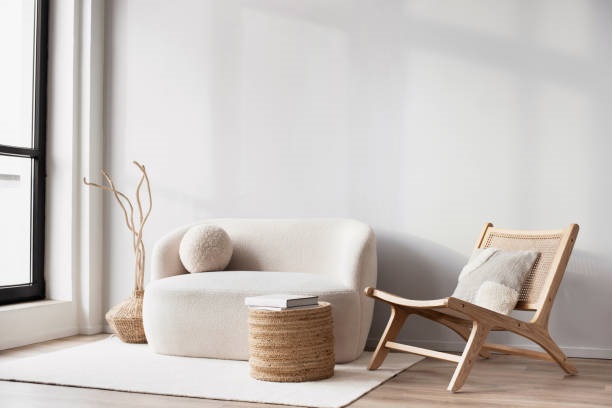
If seating causes people to shift constantly, the space will never feel comfortable. Outdoor chairs often look appealing but lack support or proper height. Comfort improves when seats allow feet to rest flat and backs to relax without effort. Mixing seating types helps as well. Some people prefer upright chairs, while others want to lean back. Benches, padded chairs, and simple cushions can work together without clutter. When people can sit comfortably for an hour without thinking about it, the space starts to feel like home.
Many outdoor areas lose their appeal once the temperature drops slightly. Comfort improves when warmth is planned instead of improvised. This can be as simple as placing seating closer together or blocking open sides that catch wind. Heat sources should feel steady, not harsh or distracting. Placement matters as much as the heat itself. When warmth spreads evenly and safely, people stay relaxed instead of hovering or adjusting constantly. A warm space encourages longer conversations and quieter moments.
Lighting often gets treated as decoration, but comfort depends on function. People need to see what they are doing without strain. Soft light works well for relaxing, but task lighting matters for eating, reading, or moving around safely. A single bright source can feel harsh, while layered lighting feels calmer and more useful. When lighting supports natural movement and visibility, the space feels settled rather than temporary. Good lighting helps outdoor areas stay usable long after daylight fades.
Hard surfaces dominate most outdoor areas, which often makes them feel cold or unfinished. Adding soft materials changes how the space feels and how long people want to stay. Rugs help define seating areas and reduce foot discomfort, especially on uneven ground or decking. Outdoor fabrics now handle moisture and dirt well, so they can be used without constant worry. Cushions and throws provide warmth when temperatures drop and allow people to adjust their comfort without moving furniture. These elements also reduce noise by softening sound, which helps conversations feel calmer and more private.
Comfort drops quickly when items pile up or get left in walkways. Storage does not need to be hidden or complex, but it does need to be accessible. Outdoor boxes, shelves, or benches with built-in space make it easier to store blankets, tools, or everyday items. When things have a place, people relax instead of searching or rearranging. Storage also protects items from weather damage, which saves time and reduces replacement costs. A tidy space feels intentional and easier to use.
A comfortable outdoor space allows people to move naturally. Tight layouts force constant adjustment and make the area feel stressful. Clear walking paths help people enter, sit, and stand without disturbing others. Chairs should not block doors or create narrow gaps. Tables need enough room for legs and chairs to slide back easily. When movement feels smooth, people stay focused on the experience rather than the layout. Planning space around movement improves comfort more than adding extra furniture.
Outdoor spaces often come with sounds that affect comfort. Wind flapping loose fabric, metal rattling, or nearby activity can quickly become tiring. Secure materials and proper placement help reduce these issues. Using heavier fabrics, tightening fasteners, and blocking open sides where wind passes through makes a noticeable difference. Positioning seating away from busy areas also helps. While outdoor noise cannot be eliminated, managing it improves focus and relaxation. A quieter space supports longer stays and easier conversation.
No outdoor space feels perfect on the first day. Comfort grows through use and small changes. After spending time in the space, it becomes clear what works and what does not. Maybe seating needs adjusting, or the lighting feels too dim in one area. These changes are easier to spot once the space is lived in. Making gradual improvements leads to better results than rushing decisions. A space that evolves with use often feels more personal and more comfortable in the long run.
Creating a comfortable outdoor space is about supporting real life, not copying a look. When shelter, seating, warmth, and layout work together, people stay longer without effort. Small details like storage, lighting, and sound control have a strong impact on how the space feels day to day. Comfort does not require excess or constant upgrades. It requires attention to how people move, sit, and spend time. An outdoor space that feels like home invites people to slow down and stay present. When comfort comes first, the space becomes a natural extension of daily life rather than a place used only on perfect days.

This post has been published by the admin of our website, responsible for content management, quality checks, and providing valuable information to our users.