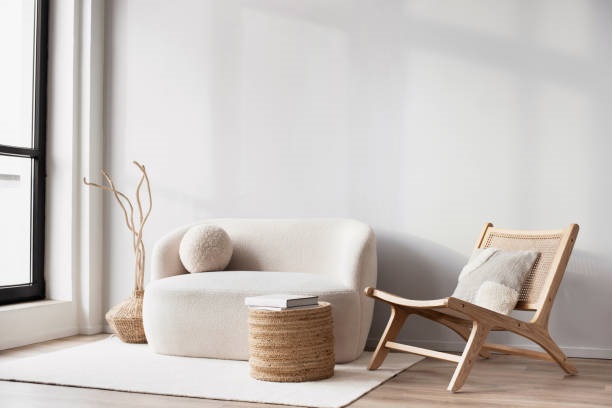
Ever stepped inside your house after a long day and felt like something was...off? The temperature’s not right, the light feels stale, or maybe it’s just too quiet in a way that makes you feel tense instead of relaxed. In Washington state, where wet winters and dry summers push homes to adapt constantly, comfort isn’t a given. In this blog, we will share how to improve your home’s comfort step by step.
It doesn’t matter how beautiful your home looks if the air inside it feels like a dusty storage unit. Indoor air quality is the most overlooked factor in comfort. We’ve spent years perfecting interior design but still ignore what we’re breathing in 90% of the time. And now that remote work has moved desks into kitchens and bedrooms, that oversight matters more.
Filtration systems, humidity control, and proper airflow don’t just keep your lungs happy. They stop mold, dust, and allergens from turning your house into a low-grade health hazard. If you’re dealing with uneven temps or stubborn stuffiness, your HVAC system might be outdated, undersized, or just neglected. At that point, bringing in a trusted HVAC company in Kennewick, WA can make a real difference—not just in fixing the temperature but in making sure it stays steady without burning through your savings.
It’s not just about having hot air in winter or cold air in summer. It's about balance, efficiency, and having a system that doesn’t creak like it’s haunted every time it kicks on. In Eastern Washington, where summers creep toward triple digits and winters bite hard, having a crew that understands the local climate and installs systems that don’t break the second it snows? That’s a necessity, not a luxury.
Once your air feels clean and consistent, everything else you do to the home—paint colors, flooring, lighting—starts to feel like it matters more.
Comfort doesn’t come from one big renovation. It comes from adding small, layered upgrades that work together. It’s not one throw pillow or a fancy light fixture. It’s the way all of it stacks.
Start with lighting. Not the default overhead fixture that came with the house, but light that makes you want to stay in a room. Soft, diffused lighting in bedrooms. Brighter, cooler tones in workspaces. Dimmable lights where you eat or relax. None of this requires rewiring your house. A couple of smart bulbs and basic fixtures can change the tone of a room instantly.
Next, surfaces. Texture plays a big role in how a space feels. Cold hardwood with no rugs makes rooms feel echoey and sterile. Adding fabric—rugs, curtains, cushions—absorbs sound and warms up the space. It also gives you flexibility. Change the fabric, change the mood. You’re not locked into one aesthetic.
Then comes scent. It’s invisible, but it does more than you think. You walk into a room and smell lavender or cedar or something subtle and clean—your nervous system notices before your brain does. A house that smells like its own food scraps or leftover laundry kills the vibe fast. Candles, essential oil diffusers, or just remembering to take out the trash make more difference than most people want to admit.
When you layer these things—light, sound, scent, temperature—your home stops feeling like a holding space and starts to feel like it’s tuned to your rhythm.
The “minimalist” trend gets a bad rap because it’s been marketed like an Instagram filter. White walls, expensive furniture, zero personality. But making your space less cluttered doesn’t mean stripping it of character. It means getting rid of things that confuse your senses.
Every item in your house sends a message. The pile of papers in the corner says “you haven’t figured things out.” The clothes draped over a chair say “you stopped halfway.” The unused gym gear says “you’re waiting to become someone else.” None of that is relaxing. None of it makes you feel at home.
Getting rid of clutter is less about looks and more about clearing out mental noise. The fewer distractions in your space, the easier it is to breathe and focus. That doesn’t mean hiding everything in baskets. It means being honest about what you need and what’s just sitting there reminding you of your undone tasks.
Once things are cleared out, the stuff you actually like gets room to breathe. Your house starts reflecting your life, not your unfinished to-do list.
We tend to buy furniture based on how it looks when it’s standing still. Online photos of pristine sofas in empty rooms are seductive. But your home isn’t a still photo. It’s where people move, sit, spill things, stretch out, pass out, and get back up again.
Comfortable homes work with how you live. That means chairs you don’t mind sitting in for hours. Tables that don’t wobble when you lean on them. Surfaces you don’t have to baby. A couch that forgives your worst posture. If you’re constantly adjusting, shifting, or avoiding a part of your house, it’s not working for you.
Choose materials that survive real life. Leather, wood, metal, tightly woven fabric—stuff that gets better with wear. Avoid anything that starts falling apart when touched by a child or a dog. If a piece of furniture only looks good in a showroom, it won’t survive your living room.
Comfort is movement without friction. You shouldn’t have to adjust your body to your home. Your home should adjust to you.
We live in a time where every room has a screen, and most of us use them to fill silence. That’s not necessarily a problem, but it does mean we’ve got to get smarter about how screens affect our space.
First, placement. Don’t make the TV the anchor of every room unless it needs to be. Bedrooms don’t need massive screens glaring at you the second you wake up. Kitchens don’t need tablets on full volume while everyone’s trying to talk.
Then there’s sound. Good audio changes everything. Cheap tinny speakers ruin movies and music. A decent soundbar or speaker system—nothing over-the-top—makes even a regular night feel like an experience. Sound is half the comfort equation, and most people ignore it.
Finally, boundaries. Designating screen-free zones or hours isn’t about being noble. It’s about making space for boredom, quiet, or conversation—things that actually make you feel rested, even if they don’t look impressive.
Comfort doesn’t mean cutting out technology. It means choosing when and how it shows up in your life so it doesn’t take over.

This post has been published by the admin of our website, responsible for content management, quality checks, and providing valuable information to our users.