Across cities worldwide, urban infrastructure is evolving rapidly in response to new building permit trends and modern construction demands. The building permit process, once hampered by paper applications and sluggish approvals, is now a hub for innovation thanks to new technologies and regulatory priorities. As cities grow and construction activities proliferate, organizations such as Burnham Nationwide are leading the integration of efficient, transparent, and sustainable permitting solutions. These advancements are transforming not only how buildings are approved but also how communities are shaped and connected for the future.
Developers, policymakers, and urban planners alike recognize that streamlining the permitting process is critical to supporting ambitious urban growth, maintaining public safety, and addressing the urgent need for climate-resilient cities. The future of cities depends on how well these stakeholders can harness permit trends to create more livable, sustainable environments.
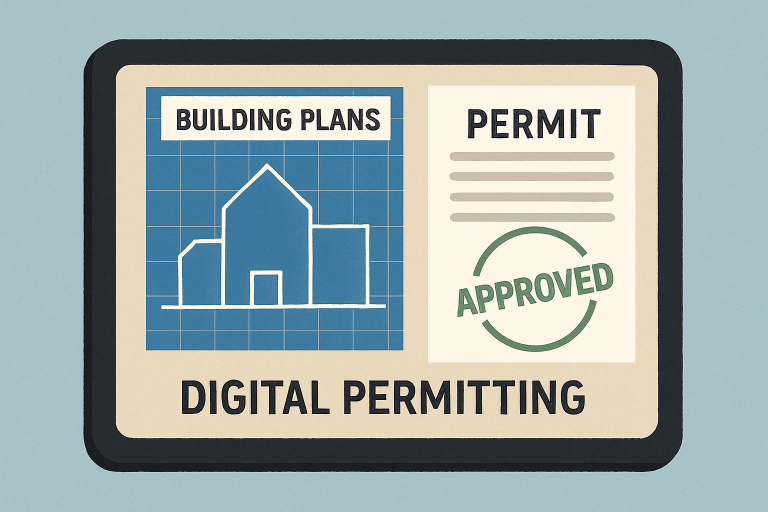
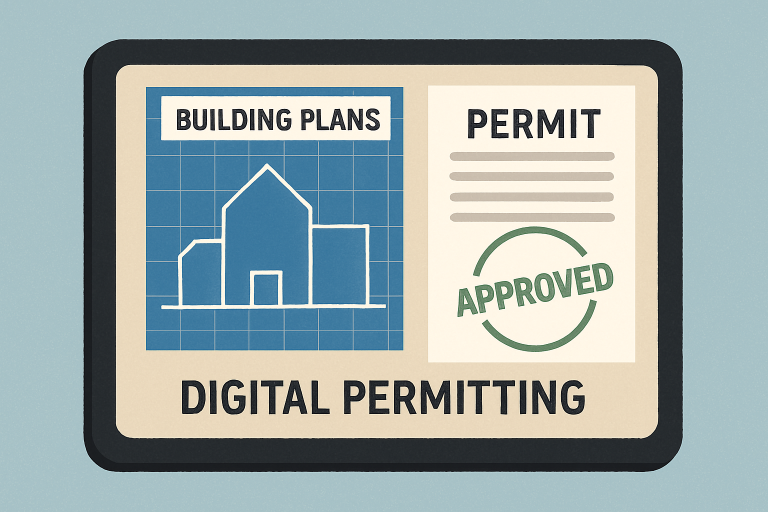
The digital transformation of building permit systems is streamlining urban planning on an unprecedented scale. Municipalities have begun adopting cloud-based, digital plan review systems that enable seamless submission, tracking, and approval of permit applications. This digitalization enables paperless workflows, significantly reducing approval times while facilitating transparency and public accountability. By using AI-powered code-compliance tools, cities can now analyze construction documents for code compliance in minutes, accelerating decision-making and ensuring thorough, consistent compliance.
Another key benefit of digital permitting is the ability to facilitate real-time communication between applicants, city staff, and inspectors. This collaborative environment minimizes errors, reduces cost overruns, and supports the accelerated pace at which modern urban environments demand results.
The growing focus on sustainability is fundamentally changing permitting requirements and architectural priorities. Building departments are actively incentivizing energy-efficient designs, requiring applicants to include features such as high-performance insulation, daylighting strategies, and advanced HVAC systems to reduce carbon footprints. The trend also encompasses requirements for using sustainable construction materials, such as reclaimed wood, low-carbon concrete, and recycled steel, intended to lower the environmental impact associated with new developments.
Innovative building technologies play an essential role by integrating automated lighting, climate controls, and energy reporting systems into new structures. These technologies not only minimize energy consumption but also equip buildings with the flexibility to adapt operations based on real-time needs.
Revitalizing urban spaces through adaptive reuse and mixed-use developments is gaining momentum as cities seek to blend cultural preservation with growth. Adaptive reuse, where older buildings are repurposed rather than demolished, preserves community character and reduces construction waste. Examples include converting factories into loft apartments and turning warehouses into collaborative offices or neighborhood markets.
Simultaneously, the emergence of mixed-use developments, which combine residential, retail, office, and recreational components within a single project, is reshaping how people live and interact with their surroundings. Well-known districts in major metropolitan areas demonstrate the benefits of mixed-use zoning, which fuels economic vibrancy and encourages walkable neighborhoods. National publications, such as this Forbes article on the future of mixed-use developments, have highlighted the positive impacts of this trend on urban environments.
The integration of advanced innovative technologies into the core of modern buildings is a defining marker of next-generation cities. The Internet of Things (IoT) has empowered facility managers and building owners to remotely monitor and control systems such as lighting, security, HVAC, and energy usage from a centralized dashboard. The use of sensors and connected devices not only improves operational efficiency but also provides critical data that can shape future infrastructure projects.
Data-driven design has transformed the way architects and city planners approach urban challenges. By leveraging real-time data on population density, traffic flow, air quality, and weather, professionals can create buildings and neighborhoods tailored to the evolving needs of city dwellers.
Despite these advances, the permitting landscape for multifamily housing remains challenging. Rising interest rates, fluctuating construction costs, and supply chain disruptions have contributed to a slowdown in multifamily permitting, particularly in dense urban areas where affordable housing is desperately needed. As a result, developers and city officials must collaborate on adaptive strategies, such as streamlined permitting for affordable housing initiatives and public-private partnerships, to overcome these hurdles and deliver much-needed housing supply.
The trends currently reshaping building permit processes are pivotal for the evolution of urban infrastructure. Through digitalization, a focus on sustainable practices, and the creative revitalization of existing spaces, cities can build smarter, more connected, and resilient communities. Staying informed of these dynamic changes is essential for anyone involved in shaping tomorrow’s urban landscapes, whether as a developer, city official, or concerned citizen. Embracing these trends will help create environments that not only reflect the needs and values of their communities but also secure a brighter and more sustainable urban future.

This post has been authored and published by one of our premium contributors, who are experts in their fields. They bring high-quality, well-researched content that adds significant value to our platform.