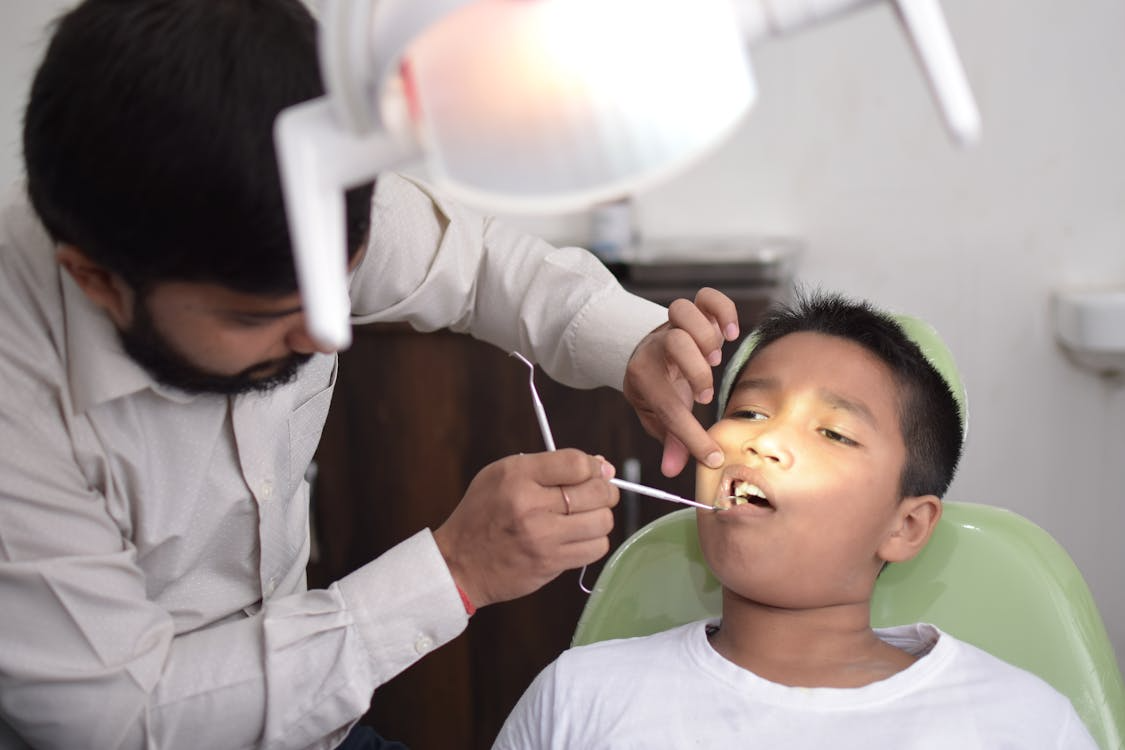
A child’s smile goes through constant change, and those early years play a bigger role than many parents realize. As teeth shift and jaws grow, small issues can develop quietly in the background. These changes are not only about appearance. They can influence how a child eats, speaks, and even breathes. That is why oral health is closely tied to overall physical well-being.
Many families assume orthodontic care is something to think about during the teenage years. In reality, paying attention earlier can make a meaningful difference. Subtle warning signs often show up long before all the permanent teeth are in place. When parents understand what to look for, they can take simple steps that support healthy development and avoid more complex treatments later.
The transition from baby teeth to permanent teeth is one of the most important phases in a child’s dental development. During this time, the mouth is actively changing, and alignment patterns begin to take shape. Gaps, crowding, or uneven spacing can signal that something may not be progressing as expected.
Many parents wait until the teen years to explore treatment, but this early stage offers a valuable opportunity to guide growth. Early orthodontic care can help manage the timing of permanent tooth eruption and reduce the likelihood of more invasive procedures later. By staying attentive during this transition, families can make informed decisions and feel more confident about their child’s long-term oral health.
By around age seven, most children have a mix of baby and permanent teeth. This combination allows dental professionals to spot patterns that may not be visible earlier. Even if everything looks fine on the surface, underlying issues with jaw growth or bite alignment can already be forming.
An early screening does not always mean immediate treatment. In many cases, it simply provides a baseline and a plan for monitoring development. This proactive approach helps address concerns at the right time, making future care more efficient and less complicated.
Baby teeth serve an important purpose beyond helping children chew and speak. They act as placeholders for permanent teeth, guiding them into the correct position. When a baby tooth is lost too early, nearby teeth can shift into that space, creating alignment problems.
Crowding is one of the most common outcomes of this shift. It can make brushing and flossing more difficult, increasing the risk of cavities and gum issues. Paying attention to the timing of tooth loss and eruption helps ensure that each new tooth has the space it needs to come in properly.
Mouth breathing might not seem like a concern at first, but it can influence how a child’s jaw develops over time. When a child consistently breathes through their mouth instead of their nose, it can alter tongue placement and affect the natural growth of the dental arch.
Over time, this habit may lead to a narrower jaw or misaligned teeth. It can also contribute to dry mouth and other oral health concerns. Identifying and addressing mouth breathing early supports better facial development and helps maintain a balanced, healthy bite.
If your child avoids certain foods or takes longer to chew, it may point to an issue with how their teeth come together. Biting into foods like apples or sandwiches should feel natural, not uncomfortable or awkward. These small struggles often go unnoticed but can signal that alignment is off.
When the bite is not functioning properly, it can affect digestion and limit food choices. Over time, this may influence nutrition and eating habits. Addressing these concerns early helps restore normal function and makes everyday activities like eating feel easy again.
Teeth that stick out noticeably are easier to spot, but their impact goes beyond appearance. Protruding teeth are more vulnerable to chips or injuries, especially during play or sports. They can also make children feel self-conscious in social situations.
Speech can also be affected by misaligned teeth. Sounds that require precise tongue placement may become harder to pronounce clearly. Identifying these issues early can support both clearer speech and improved confidence as your child grows.
Thumb sucking and pacifier use are common in early childhood, but prolonged habits can affect dental development. These actions place pressure on the teeth and palate, which can gradually change their shape and alignment.
If the habit persists past the early years, it may lead to issues such as an open bite or shifting of the front teeth. Helping children transition away from these habits at the right time can prevent long-term complications and support a more natural alignment.
An initial orthodontic visit is usually straightforward and informative. The specialist will examine your child’s teeth, jaw, and overall growth patterns. Imaging or impressions may be taken to get a clearer picture of what is happening beneath the surface.
This visit often focuses on planning rather than immediate treatment. You will learn whether your child needs intervention now or simply monitoring over time. Having a clear plan helps you feel prepared and gives your child the best chance for a healthy, well-aligned smile.
Paying attention to early signs such as chewing difficulties, speech concerns, or prolonged habits can make a real difference in your child’s development. These indicators often appear gradually, which is why awareness matters. When addressed early, many issues become easier to manage and less disruptive over time.
A proactive approach supports both function and confidence. By staying informed and seeking guidance when needed, you help set the foundation for a lifetime of strong oral health and comfortable, natural smiles.

This post has been published by the admin of our website, responsible for content management, quality checks, and providing valuable information to our users.