Key Takeaways
Table of Contents
As winter approaches and colder days arrive, a well-functioning furnace is essential to your household’s comfort and safety. Even a seemingly minor issue with your heating system can escalate, causing inconvenience, hazards, and costly repairs. Knowing when to call for professional furnace repair in Ruston can help you avoid breakdowns and keep your family safe and warm. Recognizing symptoms early is crucial for maintaining efficiency and preventing emergencies.
Common warning signs of furnace trouble are often easy to miss at first glance. However, ignoring these indicators may lead to declined performance, increased bills, or even dangerous situations. Being proactive allows you to address issues promptly and ensure your system operates at peak performance throughout the season.
Furnace problems can result from neglected maintenance or natural wear and tear. Addressing warning signs promptly not only saves money but also improves indoor air quality and safety. Furnace issues can also impact air distribution, resulting in uneven heating throughout your home and discomfort for your family. It's vital to stay proactive with seasonal inspections, especially before the peak winter usage period.
For a comprehensive checklist on winter-proofing your home, refer to this detailed guide from Consumer Reports.
Unusual Noises
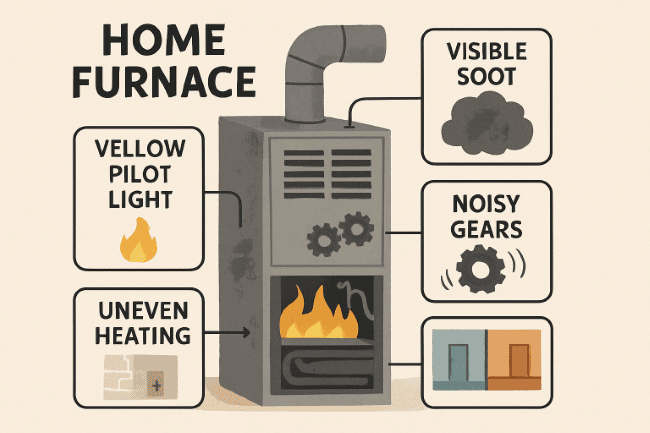
A healthy furnace operates with a low and consistent hum. If you hear banging, rattling, popping, or screeching, it’s time to investigate further. Noises like these may indicate loose components, worn belts, motor issues, or a failing blower assembly. These problems tend to worsen with continued operation, so consulting an HVAC technician as soon as possible is best to prevent a more serious breakdown. For a complete list of sounds you should never ignore, check this explanation from Family Handyman.
Persistent Odors
A slight burning smell is sometimes typical when you first activate your heating system for the season. However, ongoing odors—especially those that are musty, metallic, or like burning plastic—signal trouble. Such smells may indicate mold in the ductwork, overheated electric elements, or mechanical failure. The most urgent warning is a rotten egg odor, which can signal a gas leak. A gas leak is a medical emergency that requires immediate evacuation and a call to your gas provider or emergency services.
Inconsistent Heating
If you notice that some rooms feel warm while others stay chilly, your furnace may not be distributing heat properly. Common causes include clogged filters, leaky ductwork, a malfunctioning blower motor, or sizing issues with your system. Frequently, changing your air filter or checking for blocked vents can offer a temporary fix. However, continued lapses in even heating require a thorough system inspection.
Frequent Cycling
Your furnace should operate in regular cycles, reaching the set temperature before shutting down and restarting as needed. Short cycling—where the furnace turns on and off in rapid succession—suggests underlying problems such as a malfunctioning thermostat, restricted airflow, or improper system sizing. Beyond frustrating, this frequent cycling accelerates wear on components and drives up your utility bills.
Yellow Pilot Light
Inspect your furnace’s pilot light; it should burn a steady blue color. A yellow or orange flame indicates incomplete combustion, typically due to an insufficient air supply or the presence of contaminants in the gas. This is more than an efficiency problem—it’s a serious safety hazard. Incomplete combustion can release carbon monoxide (CO), a colorless, odorless, and potentially deadly gas. Ensure that you install a carbon monoxide detector near your furnace and take swift action if you notice this warning sign. For more information on the dangers of CO, see the CDC's resource on carbon monoxide safety.
Increased Energy Bills
If your energy usage hasn’t increased, but your bills have, it may be another clue that your furnace is running inefficiently. Dirty filters, leaky ducts, failing parts, and aging systems all force the furnace to work harder for the same result. If you notice an unexplained spike in your monthly statement, an HVAC inspection can pinpoint the source and help mitigate rising utility costs.
Visible Rust or Soot
Furnaces should remain clean and free of debris. Corrosion, rust on the heat exchanger, or the presence of soot are signs of moisture and combustion problems that require professional diagnosis. Rust often indicates that water or condensate is making its way where it doesn’t belong, while excess soot points to improper burning or venting. Both issues can impact your furnace’s performance, lifespan, and the safety of your household.
Age of Furnace
The typical lifespan of a furnace is 15 to 20 years. As units approach this age, expect more breakdowns, lower efficiency, and potential safety concerns. A furnace that needs frequent repair or struggles to heat your home evenly is no longer cost-effective in the long run. Upgrading to a new, energy-efficient furnace not only enhances reliability but can also yield significant savings on heating bills over time.
By acting promptly when these signs arise, you can prevent lengthy outages, expensive repairs, and dangerous situations. Annual maintenance checks are essential to extend your furnace’s life, lower your costs, and maintain a warm and secure home—all winter long.

This post has been published by the admin of our website, responsible for content management, quality checks, and providing valuable information to our users.