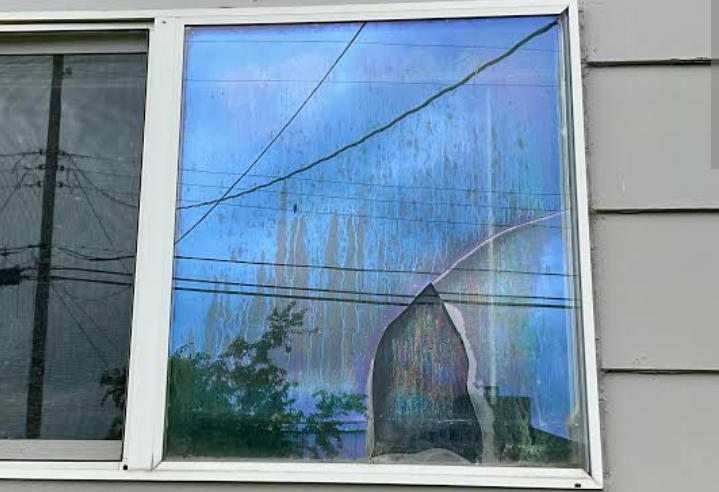
A broken window or door glass is one of those situations where the immediate reaction often makes things worse rather than better. Whether it's a storm that pushed a branch through a window, a break-in attempt that left a door panel shattered, or a stray impact that sent a crack across your kitchen window, the hours between when the glass breaks and when it gets properly repaired are more consequential than most people realize.
The good news is that knowing what to do, and just as importantly what not to do, dramatically changes how that window plays out. And for situations that can't wait, having access to emergency glass repair in toronto means the gap between the incident and a professional resolution can be very short. But first, the immediate steps matter, and most homeowners and business owners have never had reason to think through them in advance.
Glass breakage produces hazards that aren't fully visible to the naked eye. Tempered glass, which is used in most modern windows, doors, and glass panels, shatters into small pebble-like fragments rather than long shards, but those fragments are still sharp and they scatter widely. Standard annealed glass, which is still found in many older residential windows, breaks into longer and more dangerous pieces that can be embedded in carpeting, furniture, and even in the frame itself without being immediately obvious.
Before anything else, clear people and pets from the immediate area. Closed-toe shoes are essential for anyone near the break. If the glass is in a door or window that was broken from outside, treat the area as a potential crime scene until you have assessed it. Don't reach through the opening to try to manage the glass from inside. Don't lean against a door panel that has shattered in place but hasn't fully fallen; stress from a lean can cause remaining glass to drop suddenly.
For storefronts or commercial spaces where a break-in has occurred, contact the police before touching anything in the affected area. Photographs of the scene, taken before any cleanup, matter for insurance and police purposes and take only a few minutes to capture.
A broken window or door panel that remains open to the elements or to access creates compounding problems with every hour it goes unaddressed. Rain and wind entering through a broken residential window can cause significant moisture damage to walls, flooring, and contents in a matter of hours during inclement weather. A commercial storefront with a broken entry panel is a security vulnerability that puts everything inside at risk overnight.
Temporary boarding using plywood or heavy-duty plastic sheeting held in place with tape or lightweight framing is not a permanent solution, but it's an important interim one. The goal isn't to replicate the glass; it's to close the opening enough to prevent weather infiltration and to signal that the space is occupied and monitored. A properly boarded window communicates a very different message to opportunistic intruders than an open hole in a storefront.
For breaks that happen during business hours, many glass repair companies can attend quickly enough that boarding may not be necessary. For after-hours breaks, boarding the opening before the technician arrives is worth the effort regardless of how quickly service is expected.
The instinct to sweep up broken glass immediately is understandable, but doing it incorrectly can spread fragments rather than contain them. Sweeping with a standard broom pushes small glass particles into crevices, under baseboards, and into carpet fibres where they remain as hazards long after the visible cleanup is done. Vacuuming broken glass is effective on hard floors but can damage vacuum components and should be done carefully.
For larger shards, picking them up with thick gloves is the right approach, but it's worth noting that newspaper used to wrap glass fragments before disposal is a common cause of cuts from pieces that puncture through the paper. A thick plastic bag, carefully placed over the pile and then sealed, is safer. Damp paper towels or tape pressed onto a hard surface will pick up the fine particles that a broom misses. Dispose of everything in a sealed bag clearly labeled as broken glass before placing it in the waste.
If the break is in a carpeted area, a thorough vacuuming is the first step, but a secondary pass with tape or a lint roller over the affected area helps capture fragments that the vacuum left behind. Bare feet in a carpeted room where glass has broken should be treated as off-limits until a proper inspection has been done in daylight.
A glass break that looks straightforward sometimes involves more than the glass itself. Window frames that were struck can be bent or cracked. Door frames that sustained forced entry attempts may have shifted at the lock point. Glazing channels, the strips that hold the glass in the frame, can be damaged in a break in ways that affect how the replacement glass gets installed. Having a technician assess the frame as part of the repair process, rather than simply replacing the glass, is the approach that leads to a lasting result.
What you want to avoid is a glass replacement that gets installed into a compromised frame and then fails again prematurely because the underlying structure wasn't addressed. That outcome costs more in total than the proper assessment and repair done once, correctly, at the outset.
Most homeowner and commercial property insurance policies cover glass breakage, particularly when it results from a covered peril such as break-in, storm damage, or impact. Before the repair happens, take clear photographs of the broken glass from multiple angles, the frame and surround, and any evidence of the cause such as a rock, a tool mark, or storm debris. These photographs, combined with the repair invoice, form the documentation package your insurer will want to see.
Calling your insurer before the repair begins, or at minimum before the broken materials are disposed of, keeps your options open. Some policies have specific requirements about documentation or approved contractors. A quick call takes minutes and prevents complications later.

This post has been authored and published by one of our premium contributors, who are experts in their fields. They bring high-quality, well-researched content that adds significant value to our platform.