Humidity may seem like a minor comfort issue, but it can quietly affect every part of your home. From sticky indoor air to musty odors and damaged furniture, excess moisture often creates problems long before you notice visible signs. Many homeowners struggle to find the right balance between comfort and moisture control, especially during warmer or wetter months. Without proper management, humidity can harm indoor air quality, encourage mold growth, and even weaken structural materials. However, you can control humidity with the right approach and timely decisions.
This guide breaks down everything you need to know to manage a humid home effectively, protect your living space, and maintain a healthier environment year-round.
Understanding What Causes High Humidity Indoors
High indoor humidity usually comes from everyday activities combined with poor moisture control. Cooking, showering, washing clothes, and even breathing release moisture into the air. In a well-balanced home, ventilation moves that moisture outside. Problems start when air circulation stays limited or when moisture enters faster than it can escape. Homes in humid climates often trap moisture because warm air holds more water vapor. When homeowners understand where moisture comes from, they can address the root cause instead of treating surface symptoms.
How to Reduce Mold Growth
Mold grows when moisture lingers for long periods, especially in dark or poorly ventilated areas. Reducing humidity below safe levels helps slow mold growth right away. Running exhaust fans, using dehumidifiers, and fixing leaks limit the moisture mold needs to survive. Cleaning visible mold on nonporous surfaces can work for small areas if moisture control stays consistent. Problems escalate when mold spreads behind walls, under flooring, or across large sections of a home. Strong odors, recurring mold spots, or health symptoms often signal a deeper issue. At that point, hiring mold remediation professionals makes sense because they can locate hidden moisture and remove contamination safely.
The Impact of Humidity on Indoor Air Quality
Humidity plays a major role in how indoor air feels and functions. High moisture levels make air feel heavy and uncomfortable, even at moderate temperatures. Dust mites, mold spores, and bacteria thrive in damp environments, which can worsen allergies and breathing issues. Odors also linger longer when moisture stays trapped indoors. On the other hand, balanced humidity supports cleaner air and better comfort. When homeowners control moisture levels, they often notice fewer odors, less congestion, and a more stable indoor environment.
Using Ventilation to Control Moisture
Ventilation removes moist air before it spreads through the home. Bathrooms and kitchens need strong exhaust systems because they generate the most moisture. Running fans during and after showers or cooking prevents steam from settling into walls and ceilings. Whole-house ventilation systems also help by exchanging stale indoor air with fresh outdoor air. Opening windows can help during dry weather, but it does little during humid conditions. Proper ventilation works best when paired with sealing gaps that allow humid outdoor air to enter unchecked.
Choosing the Right Dehumidifier for Your Home
Dehumidifiers pull moisture from the air and store it in a collection tank or drain it away automatically. Choosing the right unit depends on room size and moisture severity. A small unit works well for bedrooms, while basements often need higher-capacity models. Placement matters because airflow helps the device work efficiently. Running a dehumidifier consistently during humid seasons helps prevent mold growth and protects furniture, flooring, and electronics. Regular cleaning and maintenance keep the unit running smoothly and prevent added air quality issues.
Managing Humidity Through Your HVAC System
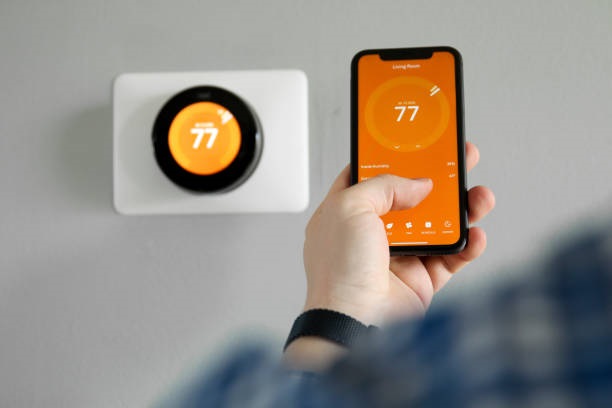
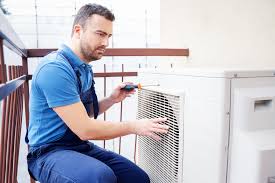
Your HVAC system influences indoor humidity more than many homeowners realize. Air conditioners remove moisture as they cool, but they need proper sizing and maintenance to work effectively. An oversized system cools the air too quickly and shuts off before removing enough moisture. Dirty filters, clogged drains, and neglected coils also reduce moisture control. Regular servicing keeps the system running longer cycles, which helps balance humidity. Thermostat settings matter as well. Running the fan continuously can reintroduce moisture into the air, while auto settings usually support better control.
Sealing and Insulating to Keep Moisture Out
Humidity problems often start with small openings that allow warm, moist air inside. Gaps around windows, doors, and utility lines invite moisture and make it harder to regulate indoor conditions. Proper sealing blocks these entry points and helps maintain consistent humidity levels. Insulation plays an equally important role by reducing temperature differences that cause condensation. Attics, crawl spaces, and exterior walls benefit most from improved insulation. When sealing and insulation work together, the home becomes more resistant to moisture buildup and energy loss.
Preventing Moisture in Basements and Crawl Spaces
Basements and crawl spaces naturally attract moisture because they sit below ground level. Poor drainage around the foundation allows water to seep inside, raising humidity levels quickly. Installing proper grading and directing water away from the home helps reduce this risk. Vapor barriers block ground moisture from entering crawl spaces, while sump pumps manage excess water during heavy rain. Air circulation also matters, since stagnant air encourages damp conditions. Addressing these areas protects the entire home from long-term moisture problems.
Everyday Habits That Help Maintain Healthy Humidity
Daily routines can either reduce or increase indoor humidity. Covering pots while cooking limits steam, and using bathroom fans prevents moisture from spreading. Drying clothes outdoors or venting dryers properly keeps water vapor out of living spaces. Houseplants add beauty but release moisture, so moderation helps maintain balance. Even small actions, like wiping condensation from windows, prevent moisture from lingering. Over time, these habits support a more stable indoor environment without relying solely on equipment.
Creating a Long-Term Humidity Management Plan
Managing humidity works best with a long-term mindset. Monitoring indoor humidity levels helps homeowners respond before problems develop. Seasonal changes often require adjustments, since summer heat and winter condensation create different challenges. Scheduling routine inspections for HVAC systems, seals, and drainage keeps moisture under control year after year. A proactive plan reduces the risk of mold, protects building materials, and improves daily comfort. Consistency matters more than quick fixes when it comes to long-term success.
A well-managed home does not happen by chance. Humidity control reflects how well each system and habit works together. When homeowners take ownership of moisture management, they create a space that feels comfortable and resilient. Small adjustments made early often prevent larger problems later. With attention and care, a home can stay balanced, efficient, and ready for any season.

This post has been published by the admin of our website, responsible for content management, quality checks, and providing valuable information to our users.