A damaged tooth can make ordinary moments uncomfortable, whether you are drinking coffee, eating lunch, or simply biting down. Prompt dental care can help identify the cause and protect as much of the natural tooth as possible before the problem becomes more extensive.
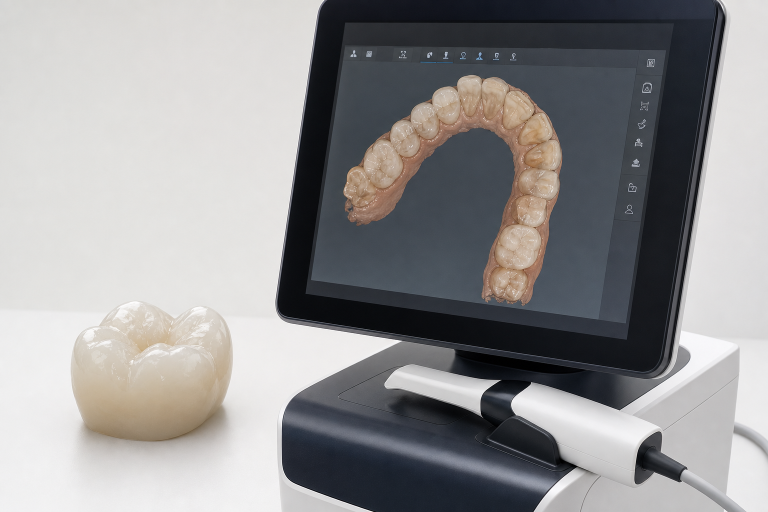
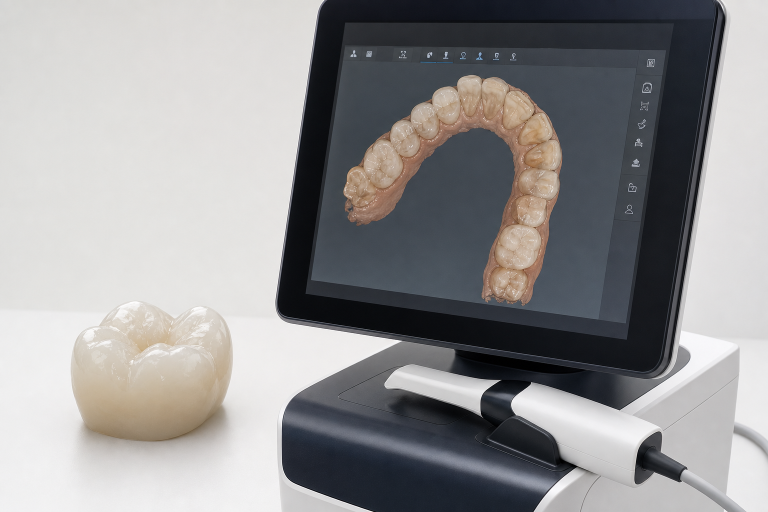
A same-day crown is a custom restoration that may be planned, made, and placed during one visit using digital scanning and in-office manufacturing technology. It is not the right answer for every damaged tooth, but it can be a practical option when a dentist determines that a crown is appropriate and the tooth can be treated safely in a single appointment.
A crown covers the visible portion of a tooth to restore its shape, function, and strength. In appropriate situations, crowns can protect weak or broken teeth, support teeth with large fillings, and help restore a tooth after significant wear or damage.
Traditional crown treatment often involves preparing the tooth, taking an impression, placing a temporary crown, and returning later for the permanent restoration. With same-day technology, a dentist may use a digital scan to create a three-dimensional model of the tooth, design the crown, and fabricate it in the office.
This approach can reduce the need for a temporary crown and a second placement visit. However, convenience should not be the only consideration. The condition of the tooth, the location of the damage, your bite, gum health, and whether the tooth needs additional treatment all affect the recommended plan.
A filling restores a portion of a tooth, but a very large filling can leave the remaining tooth structure more vulnerable to cracking. You may notice a rough edge, food collecting around the filling, a piece missing from the filling, or discomfort when you chew on that side.
Not every worn filling requires a crown. A dentist may recommend a new filling, an inlay, an onlay, or another treatment depending on how much healthy tooth remains. When there is not enough sturdy tooth structure to reliably support another filling, a crown may provide more complete coverage and support.
A crack can develop after biting something hard, sustaining an injury, clenching or grinding, or simply as a tooth weakens over time. Some cracks are easy to see, while others are difficult to spot. Pain when releasing a bite, sensitivity when chewing, or a sharp edge that catches your tongue can all warrant an examination.
A small chip may only need smoothing or bonding. A deeper crack or a tooth with a large missing section may need a crown to hold the remaining structure together. Waiting can allow the crack to worsen, so it is wise to avoid chewing hard foods on that side until you have been evaluated.
Brief sensitivity can have several causes, including worn enamel, gum recession, a leaking filling, a crack, or tooth decay. Sensitivity that is new, increasing, or concentrated in one tooth deserves attention, especially if it lingers after the hot, cold, or sweet trigger is gone.
Tooth decay may not cause noticeable symptoms in its earliest stages, but more advanced decay can lead to pain, sensitivity, discoloration, visible holes, facial swelling, or fever if infection develops. A crown may be considered after decay is removed when too much of the tooth has been lost for a filling alone.
Grinding and clenching can gradually flatten chewing surfaces, chip edges, loosen fillings, and place heavy force on already weakened teeth. You may also notice jaw muscle soreness, morning headaches, tooth sensitivity, or a partner hearing grinding during sleep.
A crown can sometimes restore a tooth that has lost substantial structure from wear. It does not, however, stop the forces that caused the wear. If grinding is part of the problem, a dentist may also discuss a night guard, bite adjustments, or other ways to reduce future damage and protect the new restoration.
Root canal treatment removes infected or inflamed tissue from inside a tooth and seals the root canal system. Depending on the tooth and the amount of structure remaining, the tooth may need a crown afterward to help it withstand everyday biting forces. Back teeth often face greater chewing pressure, which can make full coverage especially important in some cases.
Timing varies. Some teeth can be restored with a same-day crown after the dentist confirms that the tooth is ready, while others may require treatment over more than one visit. The appropriate sequence depends on the diagnosis and the health of the surrounding tooth and gums.
The visit typically begins with an examination and any needed X-rays to determine whether a crown is suitable. The tooth is prepared by removing damaged material and shaping it to receive the restoration. A digital scan captures the prepared tooth and nearby teeth, allowing the crown to be designed for your bite and smile.
After the crown is made, the dentist checks its fit, contact points, and bite before bonding it in place. You may be advised to avoid very hard or sticky foods for a short period and to call if the crown feels high when you bite, feels loose, or causes persistent discomfort.
Call a dental office promptly for severe tooth pain, a broken tooth, swelling, or a lost restoration. Seek emergency medical care for trouble breathing or swallowing, significant facial swelling, uncontrolled bleeding, or signs of a serious injury. A same-day crown may be part of the eventual solution, but urgent symptoms sometimes require other treatment first.
A same-day crown can be an efficient way to restore a damaged or weakened tooth when the situation is suitable. Do not rely on symptoms alone to decide what treatment you need. An examination can determine whether a crown, filling, root canal treatment, or another option offers the best path toward a comfortable, functional smile.

Ameer Hamza is a versatile content creator with a strong interest in researching and writing on a wide range of topics. His work spans technology, business, health, travel, lifestyle, education, entertainment, finance, and digital trends. He focuses on transforming complex information into clear, engaging, and easy-to-understand content that provides practical value to readers. By relying on credible sources and thorough research, Ameer strives to produce accurate, informative, and up-to-date articles that help readers stay informed and make better decisions.