Maintaining a vibrant smile is a cornerstone of self-confidence and overall well-being. At any stage in life, embracing effective oral care routines is key to preventing dental concerns and promoting lifelong oral health. Enhancing your dental habits does more than just improve appearance; it also fortifies your body's health. Whether you are focusing on daily oral care or considering options like dental implants, consistent effort pays dividends for your smile.
Oral health is closely connected to your lifestyle, dietary choices, and routine checkups. Even as you age, adopting the right practices can help you retain strong, healthy teeth and gums. Awareness, preventive care, and timely interventions ensure that your smile remains bright and functional throughout your life. Underestimating daily maintenance may result in avoidable dental and medical complications that can impact your quality of life.
Equally important are your choices outside the bathroom. What you eat and drink, how often you see your dentist, and your commitment to learning about oral health can make significant differences over time. Good habits, professional oversight, and a conscious approach help guard against issues like gum disease, decay, and tooth loss.
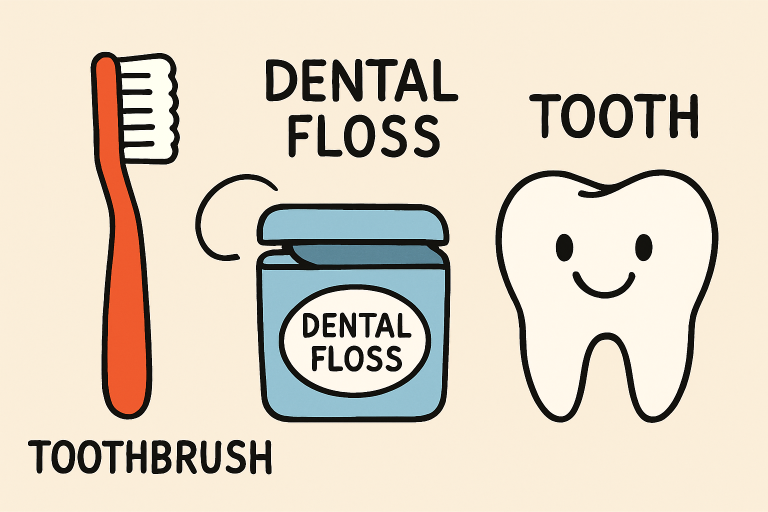
Proper oral hygiene remains the foundation of dental care. It is essential to brush your teeth two times a day using fluoride toothpaste and a soft-bristle toothbrush. Flossing at least once daily removes plaque and debris that brushing alone cannot reach, reducing the risk of cavities and gum disease. For many people, an electric toothbrush enhances plaque removal, making it especially helpful for those who struggle with manual brushing.
Changing out your toothbrush every three months, or sooner if the bristles are worn, ensures you are not reintroducing bacteria into your mouth. In addition to brushing and flossing, using an antimicrobial mouthwash can further lower the chances of developing gum issues. Thoughtful and consistent at-home care is critical for long-lasting results.
No oral hygiene routine is complete without professional care. Dentists recommend seeing your dental provider every six months for clinical examinations and cleanings. These appointments help detect cavities, gum disease, and other concerns before they become severe. Hygienists perform cleanings that remove tartar, hardened plaque that regular brushing cannot eliminate. Timely dental visits are proven to decrease the incidence and progression of dental diseases by catching issues before symptoms develop.
Your food choices are just as influential as your hygiene habits. A diverse diet rich in fruits, vegetables, lean proteins, and dairy supplies your teeth and gums with vital nutrients, such as calcium and vitamin C. These contribute to stronger enamel and healthier gum tissue. On the other hand, restricting sugary and acidic foods minimizes risks related to cavities and enamel erosion, keeping your teeth resilient for years to come.
For those with dietary restrictions, finding alternatives that provide similar nutritional benefits is vital. Maintaining a healthy balance and refueling your body with the right nutrients protects both your smile and your overall well-being.
Proper hydration is frequently overlooked in a dental context. Drinking water throughout the day plays a direct role in rinsing away tiny particles and bacteria, aiding in cavity prevention and maintaining fresh breath. Water is also essential for optimal saliva production, which naturally neutralizes acids and strengthens enamel. Choosing water over sugary drinks can significantly decrease your risk of developing cavities and support the natural protective functions of your mouth.
Avoiding tobacco use in all forms is critical for maintaining oral health. Smoking and smokeless tobacco can cause major problems, including gum disease, oral cancer, and persistent bad breath. They also contribute to stubborn tooth stains and delay healing after dental procedures. Quitting tobacco delivers near-immediate and long-lasting improvements for the health of your gums, teeth, and body.
If you participate in sports, use a mouthguard to protect your teeth from trauma and breakage. Those who grind or clench their teeth at night—often unknowingly—should consult a dentist about custom night guards. These devices prevent wear, chipping, and jaw pain, preserving your natural teeth and the integrity of dental restorations. Protective measures like these are simple yet highly effective tools in keeping teeth safe from avoidable harm.
Delaying attention to dental discomfort can quickly escalate simple issues into more costly and complex problems. Symptoms like persistent toothaches, bleeding gums, and sensitivity should be addressed without hesitation. Visiting your dentist at the first sign of trouble ensures that you receive appropriate care before the problem worsens. Timely intervention preserves both dental health and overall wellness, minimizing the need for future procedures.
Staying informed about the latest recommendations and advances in oral care empowers you to make smart decisions. The Mayo Clinic provides excellent resources for understanding dental hygiene essentials and new research findings. Making education a priority helps you tailor your care to your changing needs and reinforces the importance of prevention at every life stage.
By integrating these fundamental practices into your lifestyle, you will promote the health and appearance of your smile at every age. Commitment to daily care, regular dental oversight, good nutrition, and informed decision-making ensures that your teeth remain healthy, functional, and beautiful throughout your life.

This post has been authored and published by one of our premium contributors, who are experts in their fields. They bring high-quality, well-researched content that adds significant value to our platform.