Key Takeaways:
Introduction to Cloud Secure Web Gateways
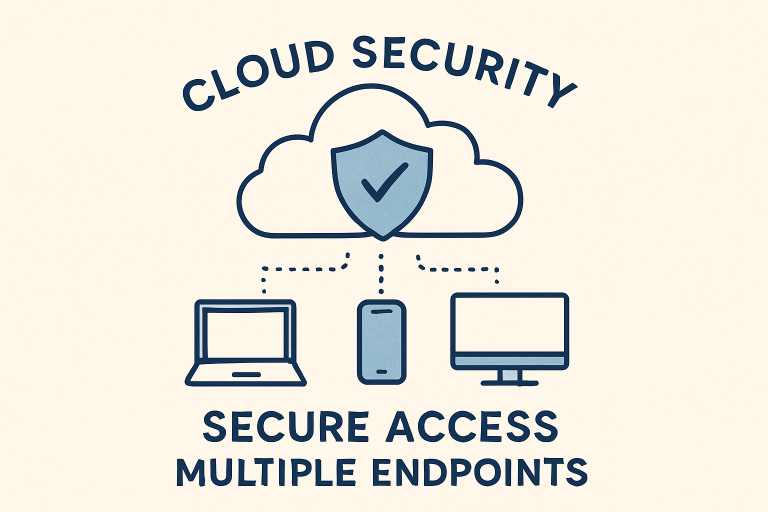
As digital transformation accelerates, enterprises are increasingly dependent on cloud services, remote work, and a mobile workforce—trends that expose organizations to evolving web-based threats. Cloud Secure Web Gateways (SWGs) are becoming essential tools, providing a first line of defense against malicious websites, phishing attempts, and data breaches. By intelligently filtering traffic, SWGs enforce organizational policies and mitigate risks even for users outside the traditional corporate perimeter, supporting seamless web security and control across distributed teams.
Unlike traditional firewalls, cloud SWGs offer granular protection by inspecting both inbound and outbound web traffic in real time. This approach ensures that suspicious content is blocked before it reaches users, and sensitive data is safeguarded from unauthorized transmission. The rise of cloud-based platforms means that SWGs must deliver consistent protection regardless of user location, device, or network infrastructure. As such, the latest cloud SWG solutions focus on scalability, ease of deployment, and integrated threat intelligence.
Recent Developments in SWG Technology
To address emerging security challenges, the SWG market has seen major innovations in cloud architecture and compliance. A key development is the achievement of FedRAMP authorization by providers like Broadcom’s Symantec Cloud SWG—enabling U.S. federal agencies and regulated industries to confidently adopt these services without compromising on stringent compliance mandates. This advancement marks a significant milestone not only for government entities but also for any enterprise seeking to leverage cloud-native, certified security solutions. For more details, please refer to Broadcom's official announcement.
Industry leaders are also implementing advanced Network and Security Services (NSS) capabilities to strengthen their gateways. This includes improved sandboxing, threat analytics, and automated policy enforcement. As enterprise needs grow more complex, modern SWGs increasingly support a wide range of integrations—with leading SIEM systems, threat intelligence feeds, and unified security platforms—to consolidate oversight and reduce the burden on IT teams.
Integration of AI in SWG Solutions
Artificial Intelligence (AI) is driving a paradigm shift in how SWGs detect, analyze, and respond to threats. Technology partners, such as Trend Micro and Google Cloud, are collaborating to deliver AI-driven capabilities within the SWG architecture. The result is the rapid identification of zero-day threats, automatic classification of risky content, and real-time adaptation to attacker tactics. According to a CSO Online article, AI-powered security systems enhance detection rates and reduce dwell time, making them essential for supporting compliance requirements and data sovereignty mandates.
These AI-empowered solutions not only block known malicious traffic but also identify suspicious patterns that were previously unseen. This is especially critical in today’s threat environment, where attackers continuously refine their techniques. By leveraging these next-gen SWGs, organizations improve their overall security posture while gaining the agility needed to respond promptly to evolving risks.
Addressing the Needs of Small and Medium-Sized Enterprises
Small and medium-sized enterprises (SMEs) often lack the resources of larger organizations, yet they face many of the same cybersecurity challenges. To bridge this gap, vendors such as NETGEAR are offering comprehensive Secure Access Service Edge (SASE) solutions bundled with enterprise-grade SWGs. These platforms are designed for straightforward deployment and simplified operations, making robust web security accessible to organizations with limited IT staff.
Through unified management interfaces and tailored policy templates, these solutions enable SMEs to prevent attacks, control employee access, and monitor web usage without the complexity of traditional enterprise tools. By implementing these cost-effective and scalable systems, SMEs are empowered to focus on business growth while maintaining a strong security posture.
Enhancements in Zero Trust Access
The “never trust, always verify” principle of Zero Trust has become a cornerstone of modern cybersecurity strategies. Menlo Security and similar innovators have unveiled platform enhancements that extend Zero Trust to the enterprise browsing experience—ensuring that all applications and data interactions are continually assessed for risk. Secure enterprise browsers now enable granular application visibility, control user activity, and integrate with identity providers to enforce least-privilege access, helping enterprises curb lateral movement and data exfiltration threats. In-depth guidance on Zero Trust approaches can be found at CISA's Zero Trust Maturity Model update.
With these advancements, Zero Trust frameworks are no longer limited to network perimeters—they extend to every digital touchpoint, including web browsing, cloud applications, and remote endpoints. This comprehensive approach is vital as organizations navigate hybrid work models and an increasingly complex attack surface.
Implementing SWGs: Best Practices
For organizations aiming to deploy Cloud SWGs effectively, following structured best practices is crucial:
Conclusion
Cloud Secure Web Gateways (SWGs) have become essential tools for protecting businesses from increasingly complex web-based threats. By filtering traffic, preventing malware, and enforcing security policies, they provide a first line of defense against cyberattacks. Continuous innovation—including the integration of artificial intelligence, adherence to advanced compliance frameworks, and scalability for organizations of varying sizes—ensures SWGs remain a critical part of modern security infrastructures. When deployed following best practices and continuously updated to reflect emerging industry trends, these solutions not only protect sensitive data and corporate assets but also support secure remote work environments, reinforce regulatory compliance, and help organizations maintain resilience in an ever-evolving digital landscape.

This post has been published by the admin of our website, responsible for content management, quality checks, and providing valuable information to our users.