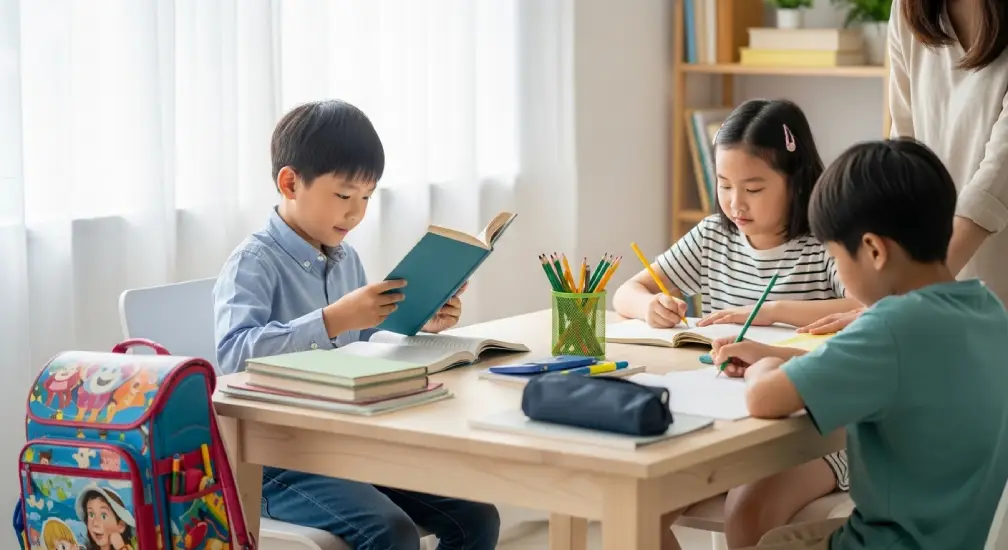
Parents often wonder what kind of environment helps children learn better. Some believe a highly competitive setting pushes students to work harder and achieve more. Others worry that too much pressure can harm a child’s confidence and interest in learning.
The truth usually lies somewhere in between. A good environment for study is not only about competition or strict academic expectations. It also includes comfort, motivation, emotional support, and access to the right learning tools. Even simple things like a quiet study space, organized materials, and a reliable kids school bag can make daily learning easier and more structured.
Children respond differently to competition. Some become more focused and motivated when they see others performing well. Others may feel stressed or discouraged. Because of this, parents and teachers need to understand what kind of environment truly helps a child grow both academically and emotionally.
This article explains what creates a healthy study environment, when competition can be helpful, and how parents can find the right balance.
A good study environment allows children to concentrate, feel motivated, and develop confidence in their abilities. It is not only about academic pressure or strict rules. Instead, it focuses on creating conditions where learning feels engaging and manageable.
Children learn best when their surroundings are calm, organized, and supportive. A quiet study area without constant distractions can improve focus and help children complete tasks more efficiently. At the same time, emotional support from parents and teachers plays a major role in building confidence.
Another important factor is consistency. When children follow a regular study routine, they develop better habits over time. Small details such as proper lighting, comfortable seating, and organized school supplies also contribute to better focus.
A good environment for study also encourages curiosity. Instead of memorizing information only for tests, children should feel comfortable asking questions and exploring new ideas. When learning feels positive rather than stressful, students are more likely to stay motivated.
Several factors influence how effective a study environment is for children. One of the most important is structure. Clear schedules help children manage homework, revision, and rest without feeling overwhelmed.
Another key factor is encouragement. Children perform better when their efforts are recognized rather than when they are constantly compared to others. Positive feedback builds confidence and helps them stay interested in learning.
Access to the right learning resources also matters. Books, learning materials, and organized school essentials help children stay prepared for daily academic tasks.
Finally, balance is essential. Study time should be combined with breaks, physical activity, and creative activities. When children have time to relax and recharge, they return to their studies with better focus and energy.
Competition can sometimes encourage students to push themselves further. When children see classmates achieving good results, it can inspire them to improve their own performance. In this way, competition can create motivation and encourage discipline.
However, competition becomes harmful when it creates constant pressure or fear of failure. If children begin to feel that their worth depends only on grades or rankings, learning can quickly become stressful.
A healthy competitive environment should focus on improvement rather than comparison. The goal should be helping children develop their skills, not simply outperform others.
Parents and teachers play an important role in shaping how children view competition. When competition is presented as a way to grow and learn, it can become a positive force. When it is linked only to winning or losing, it may discourage some students.
Competition can be helpful when it encourages effort and personal growth. For example, friendly academic challenges or classroom activities can motivate students to focus on their work.
In these situations, children learn to set goals, improve their performance, and celebrate progress. Healthy competition also teaches resilience. Students learn that setbacks are part of the learning process.
Another benefit is improved discipline. When children know they are working toward a goal, they may develop better study habits and time management skills.
The key difference is the atmosphere around the competition. Supportive environments emphasize learning and improvement rather than strict comparison between students.
Parents can help create balance by focusing on effort rather than results. Praising children for their hard work encourages them to keep trying even when learning becomes difficult.
It is also helpful to remind children that everyone learns at a different pace. Comparing them constantly with classmates or siblings can damage confidence and reduce motivation.
Creating a calm study routine at home is another effective step. A comfortable study space, organized materials, and clear daily schedules can make learning less stressful.
Finally, parents should encourage curiosity and enjoyment in learning. When children see education as an opportunity to grow rather than a competition to win, they develop healthier attitudes toward studying. In the end, the best study environment combines encouragement, structure, and balance. Competition can play a role, but it should always support learning rather than replace it.

This post has been authored and published by one of our premium contributors, who are experts in their fields. They bring high-quality, well-researched content that adds significant value to our platform.