Home ownership has a way of changing how you think about time. Early on, it feels like problems should be handled when they show up. Something breaks, you fix it, and life moves on. After a few years, that mindset starts to shift. You begin noticing signs instead of isolated events. A sound that returns every winter. A system that struggles a little earlier each year. Preparedness becomes less about reacting fast and more about seeing what’s coming.
Recent conditions have made this lesson even sharper. Longer wait times for equipment, rising labor costs, and tighter schedules mean timing now carries real weight. Decisions made early often feel calmer and less disruptive than ones made under pressure. Home ownership teaches that readiness is not about fear or overplanning.
Most major system failures do not arrive without warning. Homes tend to whisper before they shout. A furnace may start cycling more often, take longer to heat the space, or make unfamiliar noises during startup. Such changes often feel minor at first, easy to explain away as weather or age. Over time, they repeat often enough to become hard to ignore.
Furnace failure, in particular, usually announces itself through performance rather than sudden shutdown. Uneven heat, rising utility bills, or frequent service calls signal a system reaching its limits. At that point, many homeowners begin weighing the option to get a new furnace installed instead of continuing with short-term fixes. Acting during that window allows for better scheduling, thoughtful equipment selection, and fewer cold-weather emergencies.
Every home comes with a timeline, whether it’s written down or not. Roofs, HVAC systems, appliances, and windows all have life spans. Budgeting ahead means accepting that certain upgrades are not optional, just delayed.
Setting aside funds over time turns large expenses into manageable steps. It also allows flexibility when options appear. Instead of choosing the fastest solution, homeowners can choose what works best for the house long-term.
Even the best planning cannot account for everything. Pipes freeze unexpectedly. Systems fail during extreme weather. Emergency funds serve as a buffer between surprise and panic. Keeping those funds accessible matters just as much as having them at all.
Accessible funds allow homeowners to respond quickly without sacrificing quality or safety. Delays caused by financial scrambling often make situations worse. Emergency funds provide breathing room, helping homeowners focus on proper solutions rather than temporary patches driven by stress.
Warranties often feel like background paperwork until the moment they matter. Knowing what is covered, for how long, and under what conditions can significantly affect repair and replacement decisions. Many warranties have expiration dates tied to registration, maintenance history, or ownership changes.
Understanding those timelines helps homeowners avoid missed opportunities. A system near the end of its warranty period may deserve closer attention. Scheduling inspections or maintenance before coverage ends can prevent out-of-pocket expenses later.
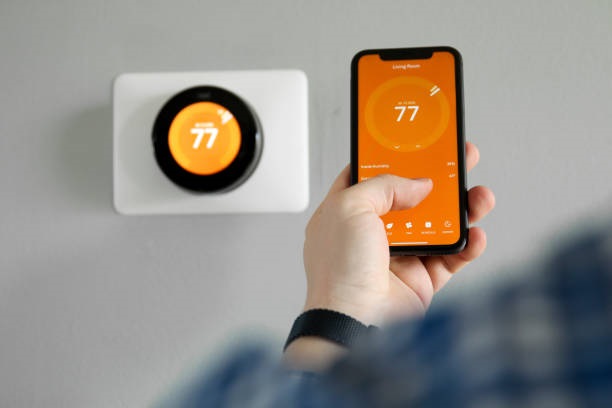
Homes tell stories through patterns. Utility bills, system run times, and comfort levels change throughout the year. Tracking those changes helps homeowners understand how systems respond under different conditions. A spike in energy use during one season may point to inefficiencies that weren’t obvious before.
Over time, usage trends reveal how the house truly operates. A furnace that runs longer each winter or an appliance that consumes more energy than it once did suggests wear or changing demands. Paying attention to those patterns allows homeowners to act thoughtfully, often long before a system reaches failure.
Once you live in a house long enough, you realize repairs do not happen in isolation. Every project intersects with daily life. Morning routines, work schedules, school drop-offs, quiet hours, and even sleep patterns all matter. Scheduling work without accounting for all of this often turns a necessary upgrade into an unnecessary disruption.
Home ownership teaches that timing projects thoughtfully can make the experience far smoother. Planning work during predictable low-impact periods reduces stress for everyone involved. It also helps contractors work more efficiently.
Few lessons stick like the ones learned the hard way. A winter night without heat. A flooded basement after heavy rain. A failed appliance right before guests arrive. Each breakdown leaves behind a memory that reshapes how homeowners prepare moving forward.
Over time, those experiences become reference points. Homeowners begin asking different questions. How long did it take to fix last time? What signs appeared beforehand? What would have made that situation easier? Learning from past breakdowns turns frustration into information.
Homes age, even when they are well cared for. Systems lose efficiency. Materials respond differently to weather. Repairs become more frequent, though not necessarily more severe. One of the quieter lessons of ownership is learning to adjust expectations without lowering standards.
Preparedness here means understanding that performance changes over time. A system that once ran silently may develop a hum. Maintenance that used to last for years may now require annual attention.
There comes a point when fixing something stops being practical. Repeated service calls, rising costs, and declining performance all signal that a system has reached the end of its useful life. Recognizing that moment takes experience and honesty.
Prepared homeowners learn to step back and evaluate the bigger picture. How often is this being repaired? How disruptive has it become? What does continued fixing delay rather than solve? Knowing when to stop repairing is not giving up. It is choosing stability over ongoing inconvenience and using timing to regain control over the situation.
Time away from home introduces a different kind of risk. Systems run unattended. The weather changes without anyone noticing. Small issues can grow quietly. Preparing before leaving becomes a habit once homeowners experience the consequences of skipping that step.
Simple actions make a difference. Checking systems, adjusting settings, securing vulnerable areas, and having contingency plans in place reduces uncertainty. Preparedness here is about peace of mind. Knowing the home is ready to handle time alone allows owners to leave without lingering concern, whether for a weekend or several weeks.
Home ownership slowly rewires how people think about timing. What once felt reactive becomes anticipatory. Preparedness stops being about fixing problems quickly and becomes about recognizing patterns early. From system performance to household routines, every experience adds another layer of awareness.

This post has been published by the admin of our website, responsible for content management, quality checks, and providing valuable information to our users.