Maintaining your septic system is crucial to its longevity and to prevent costly repairs. This guide provides essential tips to help homeowners keep their septic systems in optimal condition.
For those in need of reliable septic tank services Orlando, FL, A & L Septic Products is a trusted, family-owned provider that has been serving the Orlando area since 1984. With decades of hands-on experience, the company has built a strong reputation as an authority in septic system care, offering expert pumping, installation, and maintenance services tailored to residential and commercial needs. Customers can learn more about their full range of services, schedule appointments, and access professional guidance, making it a convenient resource for property owners throughout Orlando and surrounding communities.
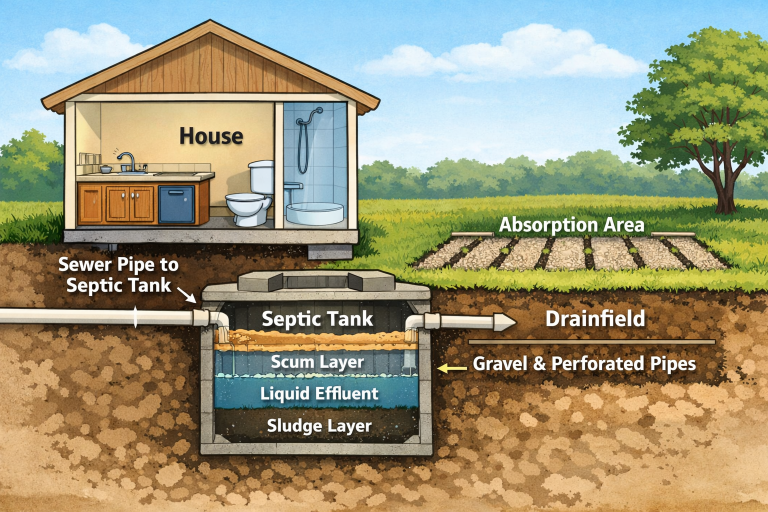
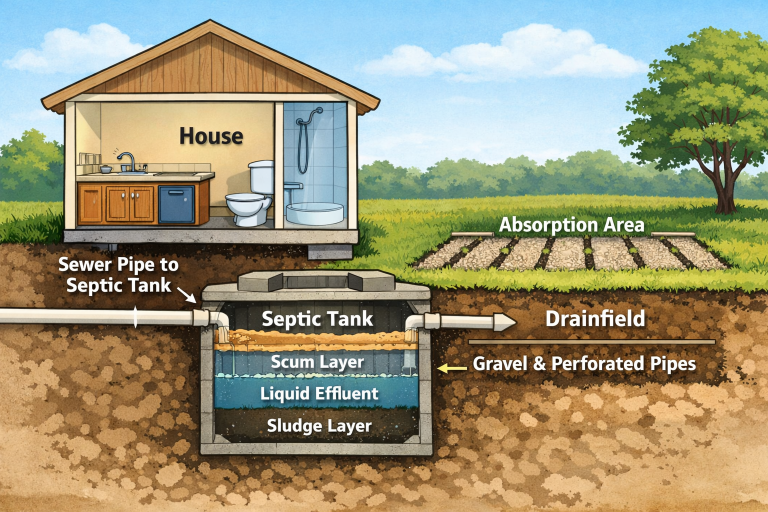
A septic system treats and disposes of household wastewater on-site. It typically consists of a septic tank and a drainfield. Wastewater flows from the house into the tank, where solids settle, and liquids pass into the drainfield for further treatment.
Septic tanks work by separating solid waste from liquid waste. Natural bacteria in the tank help break down solid waste over time, but not all solids are fully decomposed. This is why regular pumping is necessary. The liquid effluent, meanwhile, flows into the drainfield where soil and microbes treat it further, removing harmful contaminants before the water re-enters the groundwater supply. Understanding this process is essential for appreciating why proper care and maintenance are critical for septic system health.
Regular pumping is vital to remove sludge and scum buildup. The Environmental Protection Agency (EPA) recommends pumping every three to five years, depending on household size and tank capacity. For instance, a family of four with a 1,000-gallon tank should pump every three years.
If you have a garbage disposal, you may need to pump your tank more frequently because food waste adds to the volume of solids. Keeping accurate records of pumping dates and inspections can help you stay on schedule and avoid costly repairs or system backups. Ask your service provider to note the condition of your tank and advise if future maintenance should be more frequent.
Excessive water use can overload the septic system. Implementing water-saving practices, such as fixing leaks, installing high-efficiency fixtures, and spreading out laundry loads, can significantly reduce the risk of system failure.
Simple actions make a big impact: take shorter showers, use dishwashers and washing machines only for full loads, and upgrade to low-flow toilets and faucets. Also, be mindful of runoff from outdoor activities like car washing or lawn watering. This water can end up in the drainfield and oversaturate it.
Only human waste and toilet paper should be flushed. Avoid disposing of items like diapers, wipes, and grease, as they can clog the system. Additionally, limit the use of harsh chemicals that can disrupt the bacterial balance necessary for waste breakdown.
Products labeled as "flushable" often do not break down efficiently enough for septic systems and can contribute to buildup and blockages. Similarly, pouring cooking oil, fats, or paints down the drain can lead to clogs or damage. Consider placing wastebaskets in bathrooms for non-septic-safe items, and use eco-friendly cleaners sparingly.
The drainfield is essential for treating effluent. To protect it:
Avoid planting trees or shrubs near your drainfield, as their roots may invade and damage pipes, resulting in system failure. Adding patios, decks, or storage buildings over the drainfield can compact the soil, reduce treatment effectiveness, and even result in unsafe waste surfacing. Monitor the area for unusual plant growth or soggy patches, as these can indicate leaks or blockages in the system.
Annual inspections by a professional can identify potential issues early. They will check for leaks, measure sludge and scum levels, and ensure all components are functioning correctly.
During these inspections, professionals will also examine baffles, filters, and overall tank integrity. Addressing small problems before they become emergencies can save homeowners thousands of dollars in repair costs. Many companies offer maintenance agreements for routine inspections and pumping, providing peace of mind and spreading the cost over time.
Be alert to signs of system failure, such as:
If you notice any of these signs, contact a septic professional immediately.
Ignoring these symptoms can lead to health hazards and environmental contamination. Backup of sewage into the home or the presence of soggy, smelly areas in your yard are serious red flags. Prompt attention can prevent further damage and restore your system to proper working order.
Proper septic system maintenance not only benefits individual homeowners but also supports public health and environmental protection. Failing systems can release untreated sewage into local waterways, causing pollution and algal blooms and threatening drinking water supplies. By performing regular maintenance, you help keep water cleaner and make your neighborhood safer. Homeowners are encouraged to educate family members and tenants about best practices. Children should be taught not to flush inappropriate items, and everyone in the household should understand the value of water conservation.
Regular maintenance and mindful usage are key to a healthy septic system. By following these tips, homeowners can prevent issues and ensure their system operates efficiently for years to come. Investing a little time and attention now prevents expensive repairs and protects your property value, your health, and the local environment.

This post has been authored and published by one of our premium contributors, who are experts in their fields. They bring high-quality, well-researched content that adds significant value to our platform.