Post Preview
Maintaining strong oral health starts long before any signs of discomfort or disease arise. The power of preventive dental care cannot be overstated, as it establishes healthy habits that help preserve your teeth and gums. Whether you are educating a young child or reevaluating your dental habits as an adult, understanding the impact of early intervention, professional guidance, and consistent practices is essential. Seeking solutions, such as dental bridges, should go hand in hand with preventive strategies for those experiencing or at risk of tooth loss.
Implementing preventive strategies not only boosts oral health but can also reduce costs and the need for treatments over the long run. Even minor changes in daily practices and regular dental visits can reinforce both oral health and general well-being. Each element of preventive dental care, from daily brushing to community outreach, shapes habits that last a lifetime and support a healthy body.
The pathway to lifelong oral health is clearest when care begins early. Dental organizations such as the American Dental Association recommend that parents schedule a first dental appointment for their child by age one or soon after the first tooth appears. These initial visits serve as valuable opportunities for children to grow comfortable with dental offices and for professionals to detect concerns before they develop. Early positive experiences reduce dental anxiety later in life and allow dentists to educate families about age-appropriate hygiene and nutrition.
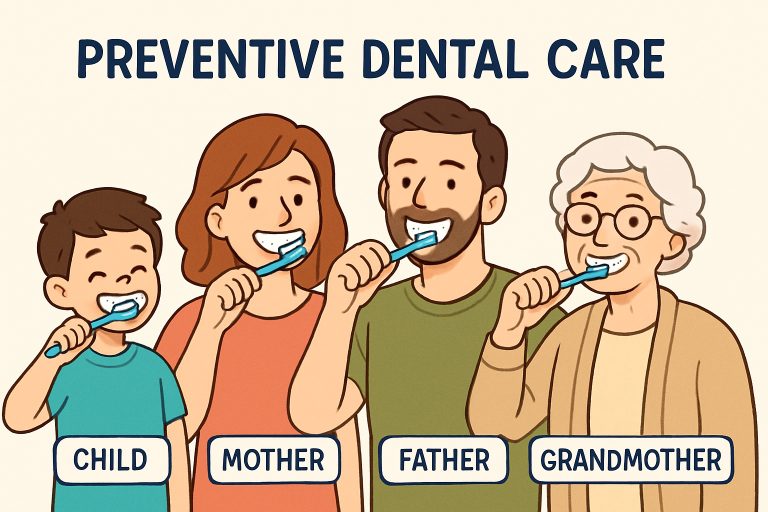
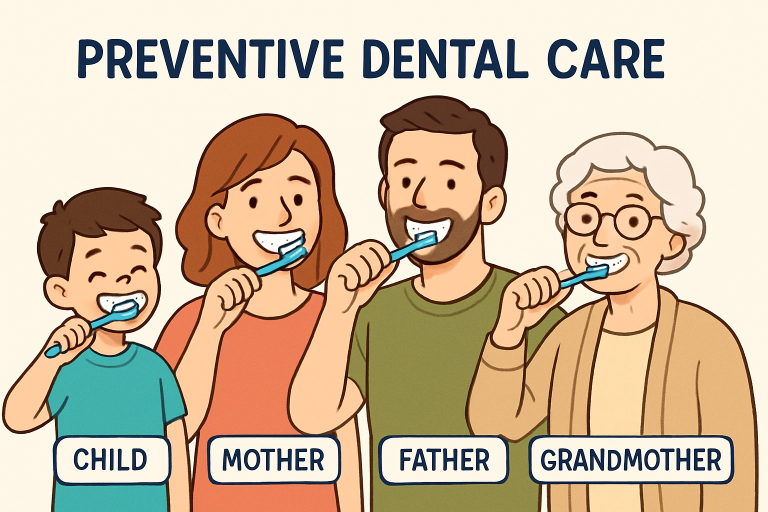
Preventive dental care relies heavily on daily habits. Brushing your teeth at least twice daily with fluoride toothpaste removes plaque before it hardens into tartar. Daily flossing clears out particles between teeth that brushing alone cannot reach. Adding an alcohol-free mouthwash can sweep away bacteria and leave the mouth feeling fresh. Forming these habits in childhood encourages a lifelong routine that continues to benefit oral health and confidence well into adulthood.
Scheduling dental checkups every six months is a core component of preventive care. Dentists thoroughly examine the teeth, gums, and soft tissues to detect early warning signs of problems such as cavities, gum inflammation, or misalignment. Professional cleanings remove tartar and stains that daily brushing may miss, which helps prevent gum disease and tooth decay. These visits also provide patients with expert advice on adapting at-home routines for better results.
Fluoride treatments fortify enamel by making it more resistant to acid attacks from bacteria in the mouth. Dentists often recommend fluoride applications for children and adults at increased risk of decay. Dental sealants offer another layer of protection by covering the deep grooves of molars, blocking bacteria and food particles that often lead to cavities. According to the Centers for Disease Control and Prevention, sealants can prevent up to 80 percent of cavities in the back teeth, making them an effective and affordable preventive option.
Nutrition and lifestyle choices directly affect oral health. Consuming a balanced diet rich in fruits, vegetables, dairy, lean proteins, and whole grains supplies teeth and gums with vital nutrients, strengthening their defenses against decay. Reducing intake of sugary snacks and drinks limits harmful acids that wear down enamel. Drinking water regularly supports saliva production, which naturally protects and cleanses teeth. Additionally, avoiding tobacco and limiting alcohol consumption helps reduce the risk of oral cancer, gum disease, and tooth loss. For more on the connection between nutrition and oral health, readers can consult the American Dental Association's advice.
Recent science has made clear that the relationship between oral health and systemic health is significant. Gum disease, for example, can elevate the risk of serious conditions such as heart disease, diabetes, and respiratory infections. Bacteria that cause periodontitis can enter the bloodstream and trigger inflammation throughout the body. Maintaining strong oral hygiene and attending regular checkups can help reduce the risk of contributing to these larger health issues. Dental hygienists now play a critical role in explaining the systemic effects of oral disease to patients during routine appointments. For more details on these links, the Centers for Disease Control and Prevention provides reliable guidance and up-to-date resources.
Education is a cornerstone of preventive care, reaching beyond the dental office and into communities. Initiatives led by schools, local health authorities, and dental professionals spread awareness about the value of good habits and provide access to vital resources. School programs may offer screening and fluoride treatments, while community outreach events can help connect individuals in underserved areas with critical preventive services. These programs are designed to empower people with the knowledge and support needed to make lasting changes.
Preventive dental care is not a single event, but rather an evolving commitment over a lifetime. By making early intervention a priority, practicing consistent daily hygiene, seeking regular professional care, and making informed lifestyle choices, individuals ensure healthier smiles and stronger overall wellness. Proactive dental care today lays the foundation for a brighter, healthier future.

This post has been authored and published by one of our premium contributors, who are experts in their fields. They bring high-quality, well-researched content that adds significant value to our platform.