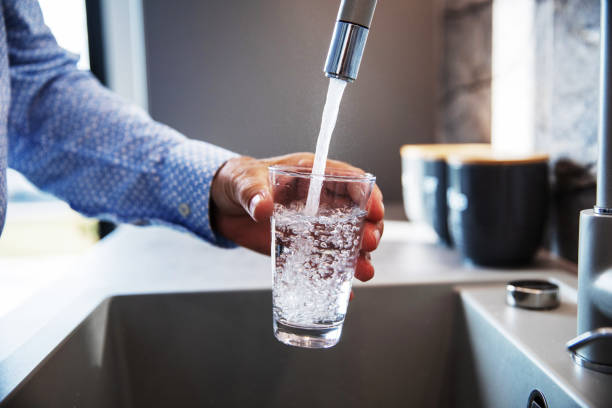
Clean, safe drinking water is a cornerstone of a healthy lifestyle, but many households are unaware of the potential threats lurking in their tap water. Between aging infrastructure, environmental pollution, and agricultural runoff, tap water can easily be compromised without clear, immediate warning. When you’re considering your family’s well-being, understanding the underlying risks and ways to protect your water supply is crucial. For homeowners and communities, learning about water treatment & filtration in Gaithersburg is an important step toward safeguarding water quality at the tap.
Whether your water comes from a public utility or a private well, contamination risks are present everywhere. Water can become tainted through leaching pipes, water treatment chemical byproducts, or even natural sources of harmful substances. Knowing the signs of questionable water and the proactive measures you can take will help you respond quickly and protect yourself and loved ones from potentially dangerous exposure.
Contamination may not always be obvious. Many pollutants are undetectable by taste or smell but can accumulate over time to cause serious health issues. Municipal suppliers are required to test water regularly, but their standards may not account for all contaminants or local infrastructure concerns.
The peace of mind that comes from ensuring your water’s safety is well worth a few simple, proactive steps. If you suspect your water quality is at risk, these insights and solutions can help you restore confidence in your home’s most essential resource.
Tap water can carry a multitude of contaminants some naturally occurring, others byproducts of human activity. A few of the most concerning include:
· Lead: Commonly leaches from old household and municipal pipes. Even trace amounts can severely impact neurological development in children and cause hypertension and kidney issues in adults.
· Disinfection Byproducts: When chlorine and other disinfectants used to make water safe interact with organic matter, they can form chemicals linked to cancer and reproductive complications.
· Nitrate: Especially problematic in agricultural regions, often introduced through fertilizer runoff and manure. High nitrate levels are particularly dangerous for infants and pregnant women.
· Heavy Metals: Substances such as arsenic and hexavalent chromium can seep into water supplies from industrial waste or natural geological processes, increasing cancer risks.
· Radiological Contaminants: Elements such as radium and uranium, naturally occurring or produced by mining and industrial processes, can have severe health consequences from long-term exposure.
· Volatile Organic Compounds (VOCs): Industrial solvents, fuels, and other chemicals can contaminate water and contribute to cancer risk as well as developmental and liver problems.
For a comprehensive look at what's in your local tap water, check the EPA's reports on safe drinking water standards and community testing data.
It’s not always obvious when water safety is compromised. However, several red flags can signify a problem:
· Unusual Taste or Odor: Metallic or bitter tastes or chlorine-like smells may indicate the presence of heavy metals or disinfection chemicals.
· Discoloration or Cloudiness: Yellow, brown, or cloudy water often signals the presence of rust, sediment, or microbial growth.
· Stomach Issues Among Residents: Unexpected digestive upset, especially if affecting multiple household members, may point to bacteria or parasites in your water supply.
If you notice any of these issues, it’s important to react promptly. Stop drinking the water, use bottled water if necessary, and arrange for water testing or emergency filtration until the cause can be identified and addressed.
The effects of long-term or acute exposure to waterborne contaminants can range from mild and temporary to chronic or life-threatening. Risks include:
· Neurological Damage: Lead, even at low levels, can cause irreversible cognitive and developmental impairments, especially in infants and young children.
· Gastrointestinal Disease: Pathogens such as E. coli and Giardia can lead to diarrhea, vomiting, and dehydration, among other complications.
· Cancer: Prolonged exposure to chemicals like arsenic, radium, and VOCs raises the risk of cancers affecting the skin, lungs, and bladder.
Understanding these health hazards is foundational for justifying regular testing and preventative action. For more information on waterborne health risks, the CDC website provides detailed overviews and public health recommendations.
Routine testing is the most effective way to ensure your tap water is free from harmful substances. Home test kits are accessible, affordable, and capable of detecting many common contaminants, such as lead, chlorine, and bacteria. For a more thorough assessment, sending samples to a certified laboratory will provide a detailed breakdown and may be required in cases of suspected serious contamination.
Regular checks at least annually, and more frequently if your home has old plumbing, is located near agricultural or industrial areas, or if you notice any sudden changes in water quality are highly recommended.
Point-of-use water treatment devices, especially those certified by reputable organizations such as NSF International, are an effective way to remove specific contaminants identified by your test results. Filter options include activated carbon, reverse osmosis, and UV disinfection units, each offering different levels of protection.
Keeping your home’s plumbing in good repair, replacing lead-containing pipes and fittings, and flushing taps after long periods of disuse can help reduce the risk of contamination at the point of use.
By law, municipal water suppliers must publish an annual Consumer Confidence Report (CCR) that summarizes the water source, detected contaminants, and compliance with safety standards. Reviewing this report keeps you informed about your water system’s performance.
Protecting your tap water starts with awareness and regular vigilance. Recognizing contamination signs, understanding the associated health risks, and taking steps such as regular testing and certified filtration can make all the difference in your family’s well-being. Stay informed, act promptly if problems arise, and don’t hesitate to seek local experts or public health resources for guidance on keeping your water safe.

This post has been published by the admin of our website, responsible for content management, quality checks, and providing valuable information to our users.