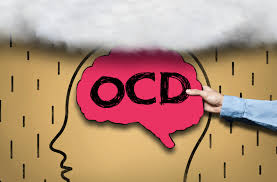
Obsessive-Compulsive Disorder (OCD) is a chronic mental health condition marked by persistent unwanted thoughts (obsessions) and repetitive behaviors or mental actions (compulsions). Obsessions can cause significant anxiety, manifesting as fears or intrusive urges, while compulsions include rituals aimed at reducing this anxiety. OCD symptoms affect daily functioning and vary among individuals, but consistently lead to distress and a desire to escape the cycle of obsessions and compulsions. The condition is thought to arise from a complex interplay of genetic, environmental, and biological factors. Recognizing the signs and symptoms of OCD is the crucial first step toward seeking meaningful help and support, making early diagnosis and intervention particularly important. For more comprehensive information on OCD treatment, consider exploring the services offered by Gibson Mental Health. They specialize in providing structured, evidence-based, and personalized treatment modalities, including Exposure and Response Prevention (ERP), that are tailored to help individuals manage and ultimately overcome OCD symptoms effectively.
When it comes to treating OCD, not all therapies are created equal. Decades of research indicate that Cognitive Behavioral Therapy (CBT) is particularly effective for this condition. Within CBT, a specific technique known as Exposure and Response Prevention (ERP) is widely regarded as the gold-standard treatment for OCD. Working with an experienced OCD therapist ensures that ERP is delivered safely and effectively, with guidance tailored to each individual’s fears and triggers. In ERP, individuals are gently and gradually exposed to their fears or obsessions in a safe, therapeutic environment, while being encouraged to resist the urge to engage in compulsive behaviors as a way of reducing anxiety. This exposure can occur in real life or through imagination, but the core of ERP involves learning to tolerate distress and, over time, realizing that the feared outcomes are unlikely to occur or are not as catastrophic as once believed. Through repeated practice, ERP helps to break the association between obsessions and the performance of compulsions, allowing individuals to gain a greater sense of control over their thoughts and behaviors. CBT as a whole also addresses distorted thinking patterns and helps clients develop healthier, more adaptive ways of coping. According to the Anxiety and Depression Association of America, both CBT and ERP have solid scientific backing and offer lasting symptom improvement for a majority of individuals with OCD. Medications, particularly selective serotonin reuptake inhibitors (SSRIs), may also be recommended in conjunction with therapy for some individuals, especially when symptoms are severe or do not respond to therapy alone.
While self-help methods can be beneficial, working with a qualified mental health professional is often the key to substantial recovery for individuals with OCD. Therapists with specific training and expertise in OCD treatment can offer targeted interventions, provide motivational support, and adjust therapeutic techniques based on individual progress. Experts have highlighted the importance of tailored treatment plans that consider each person’s unique experiences, triggers, and comorbidities. Professional guidance ensures that interventions are implemented with the proper structure and intensity, something that can be difficult to achieve with self-directed approaches alone. Additionally, professionals can help clients navigate relapses, address co-occurring issues such as depression or anxiety, and facilitate family or couples' involvement if needed. The therapeutic relationship itself can be an important source of encouragement and reassurance for those struggling with the often isolating effects of OCD. For those who have tried to manage symptoms on their own but have found limited relief, seeking professional help is a vital next step toward recovery.
Alongside professional therapies, self-help strategies can provide significant support for managing OCD symptoms in daily life. Mindfulness techniques, for example, foster awareness and acceptance of intrusive thoughts without judgment, helping to reduce reactivity and break the cycle of obsession and compulsion. Structured self-help programs, books, or digital resources can guide individuals through evidence-based activities even between therapy sessions, reinforcing progress and building coping skills. Stress reduction practices such as regular exercise, adequate sleep, and healthy nutrition support overall well-being and can reduce OCD symptom severity. Relaxation techniques, like deep breathing, progressive muscle relaxation, or guided imagery, can further diminish daily anxiety and help manage moments of distress. Keeping a journal or mood log may help individuals track triggers and notice emerging patterns, which can be invaluable when discussing symptoms with a therapist. Supportive tools like these empower individuals to take an active role in their recovery, creating a sense of agency and hope.
Building a reliable support system is crucial for anyone confronting OCD. Family, friends, and peer support groups can provide practical help, encouragement, and a sense of belonging. Participation in community resources or online support networks offers opportunities to share personal experiences, celebrate successes, and learn from others navigating similar challenges. These connections can combat feelings of isolation and provide validation, which is especially important given the stigma that sometimes surrounds mental health conditions. Some support groups focus specifically on OCD, offering resources, coping strategies, advocacy information, and educational workshops. Professional organizations such as the International OCD Foundation maintain directories of support groups and other community resources. Involvement in these networks not only improves emotional well-being but also motivates individuals to remain engaged in treatment and maintain progress over the long term.
Despite the availability of effective therapies, many individuals face obstacles when seeking help for OCD. Stigma surrounding mental illness remains a significant barrier, often fueled by myths and misconceptions about what OCD is and how it affects individuals. Lack of accurate information can prevent sufferers from recognizing their symptoms or believing that they deserve or can benefit from treatment. In some cases, practical concerns can make access to care more difficult. Addressing these barriers requires public advocacy, continuing education about mental health, and the normalization of help-seeking behavior. Providing accurate information through public health campaigns and accessible resources can help reduce stigma and increase understanding, making it easier for individuals to ask for help. Telehealth options and online therapy providers are increasingly available, broadening access to evidence-based treatment and enabling more people to receive high-quality care, no matter where they live.
OCD is often a lifelong condition, but with the right strategies, long-term management is entirely possible. Ongoing practice of coping skills and self-care routines is essential for maintaining gains achieved during therapy. Scheduling regular follow-up appointments with therapists or maintaining involvement in support groups helps ensure early identification of symptom recurrence or new challenges. Staying informed about emerging treatments, tools, and advances in the understanding of OCD empowers individuals to adapt their management approach as needed. Strong social connections and a reliable support network provide encouragement during difficult times and reinforce positive changes. Recognizing early warning signs of relapse can prompt proactive measures before symptoms escalate. Remember, progress in OCD management is not always linear. Patience, persistence, and compassion toward oneself are foundational to long-term wellness.
Managing OCD effectively is a journey that involves a multi-faceted and continuous process of understanding, evidence-based therapy, and ongoing support. With proper knowledge, treatment, and engagement in both professional and community resources, individuals can find real hope and experience lasting improvement in their quality of life. No one has to face OCD alone; help is available, and recovery is possible.

This post has been authored and published by one of our premium contributors, who are experts in their fields. They bring high-quality, well-researched content that adds significant value to our platform.