Texas roofs face intense sun, sudden downpours, strong winds, hail, and rapid temperature changes. A practical seasonal routine helps homeowners notice developing issues before they lead to interior leaks or require larger repairs. For homeowners researching local roofing concerns, the most useful starting point is understanding what can be safely observed from the ground, in the gutters, and in the attic.
Roof maintenance is not a single annual chore. It is a recurring process of checking drainage, monitoring changes in roofing materials, documenting storm exposure, and responding quickly to signs of moisture. The right schedule depends on roof age, slope, material, nearby trees, and the home's exposure to weather.
Strong sunlight can gradually dry, fade, curl, or weaken roofing materials, while wind and hail may create damage that is difficult to recognize at first glance. Even a small opening around flashing, a vent, or a missing shingle can allow water to reach decking, insulation, ceilings, and walls. Homeowners concerned about potential storm damage can reduce confusion by documenting the roof's condition before and after major weather events.
Planned care does not guarantee that a roof will avoid every weather-related problem, but it can prevent small issues from going unnoticed. A consistent routine also makes it easier to separate normal aging from sudden changes that need prompt attention.
Spring is a good time to look for issues left by winter rain, cold fronts, and wind. Begin outdoors from the ground, then check inside the attic or upper rooms. Avoid climbing onto the roof just to perform a visual inspection.
Summer roof care includes the attic, not only the outer roof covering. Signs of heat stress may include fading, blistering, curling, or unusual granule loss. South- and west-facing roof planes often receive especially strong afternoon exposure, so changes in those areas may be easier to spot.
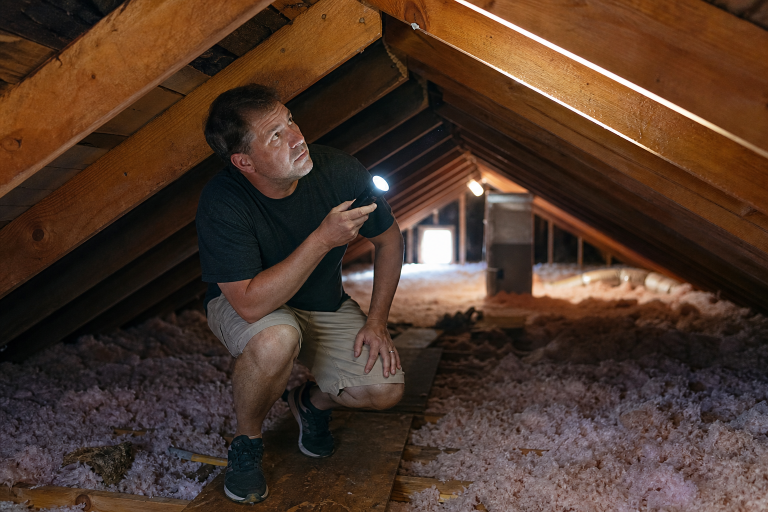
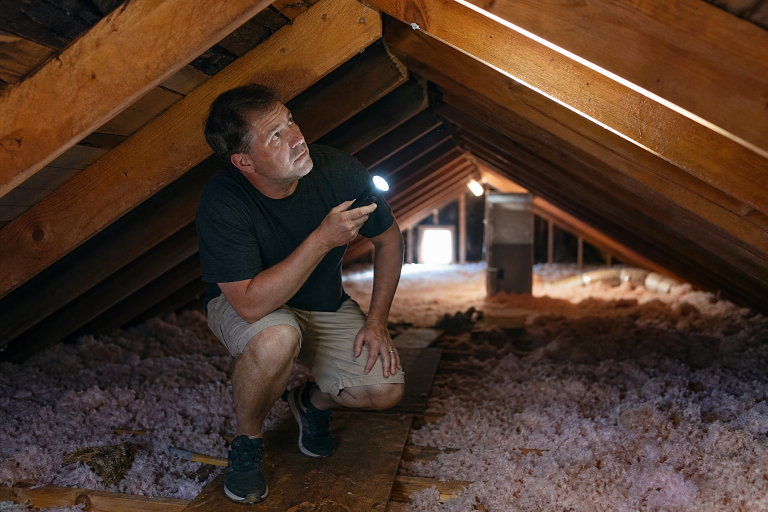
Attic airflow and moisture control also matter. The Department of Energy explains that air sealing existing attics can help reduce energy loss and moisture problems by addressing openings around ceiling penetrations. Check for damp insulation, musty odors, or visible staining, but do not add vents or alter ventilation components without evaluating the attic as a complete system.
Fall maintenance should focus on moving water away from the roof and home. Gutters, downspouts, valleys, flashing, and exposed sealants all affect how well rain drains during heavy weather.
Texas winters can bring cold rain, wind, freezing conditions, and occasional ice. Winter care is less about snow removal and more about watching for leaks, condensation, blocked drainage, and loose materials after a cold front. Never walk on a wet, icy, or slick roof.
Inside the home, watch for new ceiling stains, damp insulation, musty attic odors, drafts near attic openings, or moisture near electrical fixtures. Water stains that grow after each storm deserve prompt attention, even if the roof looks normal from the ground.
Wait until lightning, hail, and strong winds have fully passed before checking the property. The National Weather Service notes that severe thunderstorms can produce one-inch hail or wind gusts above 58 miles per hour, both of which can harm roofs, trees, and exterior components.
Many useful checks can happen without roof access. Homeowners can inspect roof planes with binoculars, clean reachable gutters using proper ladder practices, check attic areas with a flashlight, monitor indoor stains, and trim small branches from the ground when conditions allow.
Steep, fragile, wet, or storm-damaged roofs should be left to trained professionals. Repairs involving flashing, vents, valleys, decking, large roof sections, structural concerns, or nearby power lines require specialized safety practices.
Simple documentation turns seasonal roof care into a useful long-term record. Save inspection dates, storm dates, photos, invoices, receipts, warranty paperwork, material details, and notes about recurring leaks or attic moisture. A sample entry might read: "April 2026: Ground check completed, gutter near garage cleaned, minor flashing concern photographed, follow-up recommended."
Prompt help is appropriate for an active leak, a sagging roofline, soft attic decking, several missing shingles, loose flashing, large amounts of granules in the gutters, expanding water stains, tree impact, or moisture near electrical systems. These conditions can indicate that the issue extends beyond routine upkeep.
Perform a ground-level check each season and after significant hail or wind. Older roofs and homes with heavy tree cover may need closer monitoring.
Yes. Ground-level viewing, binoculars, gutter checks, and attic observations can reveal many warning signs. Roof access is best left to properly equipped professionals.
No. Some concerns are isolated repairs, while others reflect widespread wear or moisture damage. Early observation and good records help clarify the difference.
A roof is easier to manage when it receives steady attention throughout the year. Seasonal checks, clear drainage, sound attic conditions, safe habits, and careful records can help homeowners notice changes early and make informed decisions before a small problem becomes a major home repair.

Ameer Hamza is a versatile content creator with a strong interest in researching and writing on a wide range of topics. His work spans technology, business, health, travel, lifestyle, education, entertainment, finance, and digital trends. He focuses on transforming complex information into clear, engaging, and easy-to-understand content that provides practical value to readers. By relying on credible sources and thorough research, Ameer strives to produce accurate, informative, and up-to-date articles that help readers stay informed and make better decisions.