Key Takeaways
- Seasonal maintenance can reduce the food, water, shelter, and entry points that support pest activity.
- Monthly inspections help homeowners spot leaks, damaged seals, droppings, nests, and food storage issues before they worsen.
- Spring and fall are especially important times to inspect exterior gaps and areas around the roofline, foundation, and utility openings.
- Food should be stored in durable containers with tight-fitting lids, and spills should be cleaned promptly.
- An approach that emphasizes prevention, monitoring, identification, and targeted control aligns with integrated pest management principles.
Keeping pests outside takes more than reacting to the occasional ant, spider, or mouse. In St. Louis, changing temperatures, summer humidity, rain, and cold winters can all affect when pests look for food, moisture, and shelter. Homeowners who build a routine around prevention can often catch small issues early, and when activity becomes persistent or difficult to locate, local resources such as pointepestcontrol.com can help.
The most effective approach is consistent rather than complicated. Reduce the things pests need, close the routes they use to enter, and inspect the areas where early signs tend to appear. A clean home is helpful, but even a well-kept home can attract pests when there are leaks, gaps, accessible food, or sheltered outdoor hiding places.
Why Seasonal Pest Prevention Works
Pest pressure changes throughout the year. Warm weather can increase outdoor insect activity, while falling temperatures may lead rodents and overwintering insects to seek protected indoor spaces. Rain and humidity can also create moisture conditions that attract certain pests near foundations, gutters, kitchens, bathrooms, and basements.
Prevention works best when it removes several opportunities at once. A repaired leak eliminates a water source. A door sweep limits travel. Proper pantry storage reduces accessible food. Clearing clutter reduces sheltered areas where pests may hide or nest. These steps are practical on their own, but they are most effective when incorporated into a routine.
Start With A Monthly Home Pest Check
Set aside a few minutes each month to inspect the home inside and out. Focus on changes since the prior inspection instead of waiting until a pest is seen.
- Walk around the foundation and check for cracks, gaps, loose siding, or openings around pipes and utility lines.
- Inspect window screens, door seals, weatherstripping, and garage-door edges for damage.
- Look under sinks, behind appliances, and around water heaters for dampness or plumbing leaks.
- Check basements, garages, attics, and crawl spaces for droppings, webs, nesting material, or gnaw marks.
- Review pantry packages, pet-food storage, and recycling containers for spills, damage, or insect activity.
- Empty outdoor containers that hold water, and make sure downspouts direct water away from the foundation.
Spring: Close Gaps Before Activity Rises
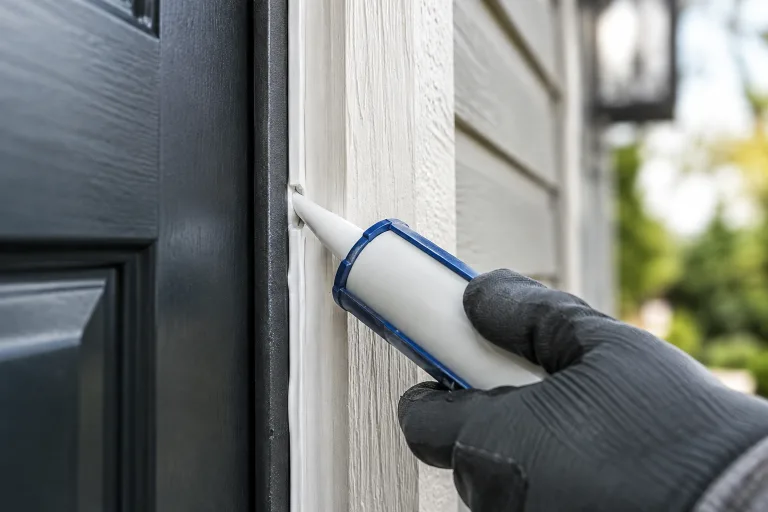
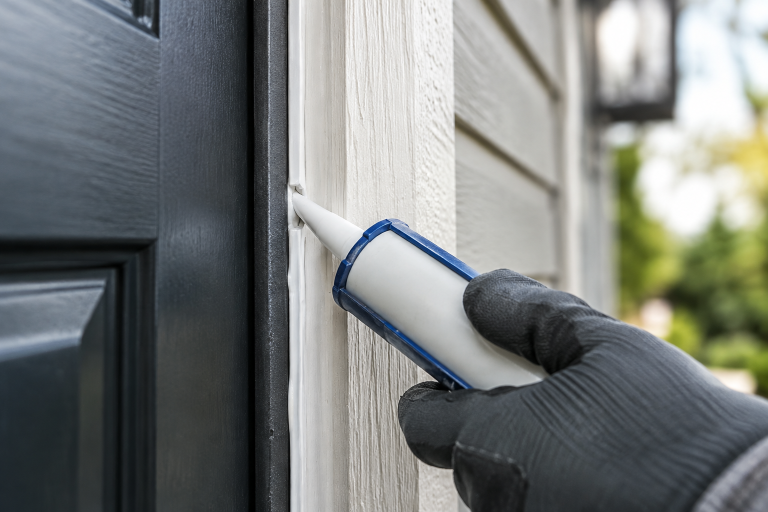
Spring is a useful time to assess damage left by winter weather. Seal gaps around windows, doors, vents, plumbing penetrations, and exterior cables. Replace torn screens and add or repair door sweeps where daylight is visible beneath an exterior door.
Clear leaves, mulch buildup, and other debris away from the foundation. Trim shrubs and tree limbs so they do not rest against siding or the roof. Clean the gutters and confirm that the downspouts direct water away from the home. Watch for ant trails, wasp activity, and winged insects around windows or doors, then address the conditions that may be supporting them.
Summer: Reduce Food, Water, And Hiding Places
Outdoor meals, overflowing bins, standing water, and dense landscaping can increase pest activity during St. Louis summers. Keep garbage containers closed, rinse food residue from recycling, and clean grills after use. When practical, avoid leaving pet food outside overnight.
Empty water from buckets, plant saucers, toys, tarps, and other containers after rain. Repair dripping outdoor spigots and irrigation leaks. Keep grass reasonably trimmed, remove unnecessary piles of boards or yard waste, and inspect patios, decks, sheds, and play areas for developing nests.
Fall: Prepare For Pests Seeking Shelter
As temperatures cool, examine the roofline, soffits, attic vents, chimney area, garage, and crawl-space doors. Store firewood away from exterior walls and raise it off the ground when possible. Reduce basement and garage clutter, especially loose cardboard and rarely moved storage.
Look for fresh droppings, gnaw marks, rubbing along walls, shredded nesting material, or sounds from ceilings and wall voids. Rodents can contaminate food and surfaces, so households should follow safe rodent prevention and cleanup practices when signs are found.
Winter: Monitor Quiet Areas Indoors
Cold weather does not eliminate pest concerns inside a heated home. Check kitchens, laundry rooms, bathrooms, basements, garages, and attics for moisture, stored-food issues, or signs of rodent activity. Clean crumbs and spills soon after holiday gatherings, and keep dry goods, snacks, and pet food in sealed containers.
Inspect stored boxes before moving them between rooms. Keep basement and crawl-space areas as dry as possible, and address condensation or plumbing problems promptly. A dry, organized storage area is easier to inspect and less inviting than a damp space filled with undisturbed clutter.
Room-By-Room Prevention Tips
Kitchen
Wipe counters, sweep around appliances, clean food residue from drains, and empty garbage regularly. Check under the sink for leaks and store grains, snacks, and pet food in sealed containers.
Bathroom
Repair dripping fixtures, use ventilation after showers, and inspect gaps where pipes enter walls or floors. Moisture control is often as important as surface cleaning.
Basement And Garage
Use sealed bins for storage, keep cardboard off damp floors, and avoid letting clutter accumulate against walls. Inspect utility areas, corners, and stored materials periodically.
Attic And Crawl Space
Check vents and screens for damage, look for roof-entry gaps, and watch for disturbed insulation, droppings, or nesting materials. Keep vents clear while ensuring they remain properly screened.
When To Take Further Action
Repeated sightings in the same room, fresh droppings, chewed wires or packaging, insect nests, wood debris, or activity inside walls deserve timely attention. Start by identifying the likely pest, removing food and moisture sources, and sealing obvious access points. Use traps, baits, or other products only according to their labels and keep them away from children, pets, and food-preparation areas.
Professional help may be appropriate when activity continues after basic prevention steps, the source is inaccessible, rodents are present in walls or ceilings, or there are signs of structural damage. Year-round pest prevention is not about achieving a perfectly sterile home. It is about making the home dry, sealed, monitored, and far less appealing to unwanted pests in every season.