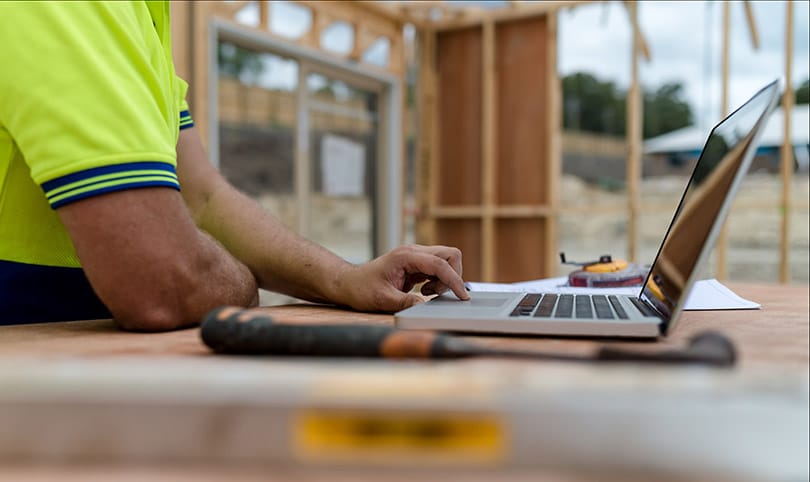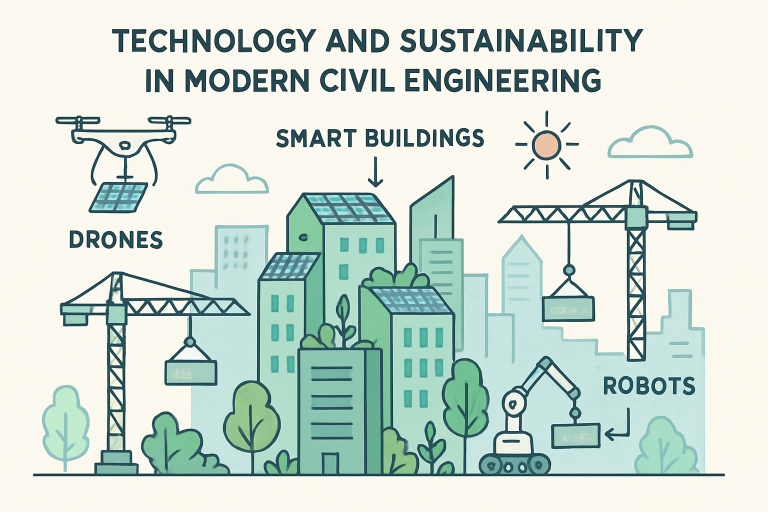
Civil engineering is on the brink of a significant transformation, driven by the convergence of advanced technology and sustainability. As urban populations expand and infrastructure demands become more complex, professionals in this field are adopting innovative solutions to ensure resilient and efficient project outcomes. Whether you are exploring a career path or seeking an experienced civil engineer in Washington, DC, understanding these emerging trends is essential for staying ahead in this dynamic industry.
Driven by the need for smarter, greener, and safer built environments, civil engineering evolves rapidly each year. The integration of new materials, intelligent systems, and advanced construction methods transforms how structures are designed, built, and maintained. The following sections examine the forces shaping the future of civil engineering and spotlight the advances you can expect in the coming years.
Civil engineering projects are benefiting from the rapid advancement of artificial intelligence (AI) and automation. AI is reshaping workflows by enabling predictive analytics that allow engineers to make better decisions. With algorithms trained on years of project data, teams can identify risks, minimize delays, and select optimal materials more efficiently. Automation on construction sites, in the form of robotics and drones, is enhancing site inspections and reducing repetitive tasks such as earthmoving and rebar placement. These advancements reduce human errors and improve site safety, enabling the delivery of more complex projects on time.
Technologies such as machine vision-powered survey drones are making it easier to monitor large-scale infrastructure developments. As automation tools become more sophisticated, their potential to eliminate hazardous jobs and improve productivity is expected to grow. For a deeper dive into how these systems are transforming the profession, the New York Times explores AI's impact on construction.
Sustainability is quickly becoming the foundation of civil engineering best practices. Engineers are shifting to greener materials and sustainable processes to cut carbon footprints and extend the lifespans of buildings and infrastructure. The adoption of recycled steel and fly ash concrete, coupled with advances in energy-efficient systems, aligns with environmental certification standards such as LEED and BREEAM. These benchmarks have become industry norms, reflecting client and public demand for responsible construction. Engineers are also incorporating solar energy, rainwater harvesting, and advanced insulation techniques to further enhance sustainability.
The result is infrastructure that supports economic growth while reducing ecological impact. Leading publications, like BBC Future, detail the evolving landscape of green building solutions and the remarkable progress being made in the sector.
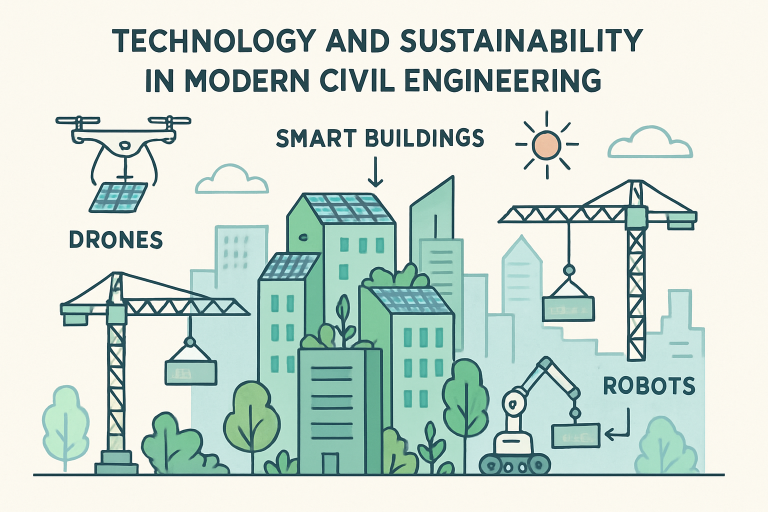
Digital twin technology is rapidly becoming integral in civil engineering planning and maintenance. By creating a virtual model of a physical asset, engineers can simulate everything from long-term wear to seismic stress. This process allows teams to detect vulnerabilities and optimize performance long before potential issues arise. The adoption of digital twins reduces costs and inefficiencies, especially in infrastructure management.
Smart infrastructure, powered by real-time data from IoT sensors, provides ongoing insights into structural integrity, usage patterns, and maintenance requirements. These systems to enhance sustainability further address faults but also help cities extend the life of bridges, roads, and utilities through preventive care and analytics-driven forecasting.
The construction process itself has been transformed by innovations such as 3D printing and modular assembly. 3D printing enables rapid, cost-efficient fabrication of unique structural components directly at the job site, minimizing waste and logistical challenges. This approach is especially valuable for remote or disaster-affected areas where traditional building materials may be hard to source. Meanwhile, modular construction techniques speed up project delivery by assembling pre-manufactured modules, which arrive on site ready for installation.
These modern construction methods are not only more resource-efficient but also provide higher quality control and reduce project risk. As these systems become more accessible and widely adopted, their ability to reshape the construction ecosystem continues to grow.
While technology plays an important role in project innovation, skilled professionals remain at the core of civil engineering. Modern firms invest heavily in workforce development, ensuring teams are proficient in using new software, data platforms, and machinery. Virtual reality (VR) and simulation-based training give workers practical experience in a risk-free environment, preparing them for complex job site scenarios before they ever pick up a tool.
A culture of safety underpins these advancements. Civil engineering companies are refining protocols for personal protective equipment, on-site hazard mitigation, and continuous learning. Regular site inspections and safety drills, driven by both regulation and company culture, have become standard, helping reduce workplace incidents and fostering long-term industry growth.
Civil engineering is evolving more rapidly than ever. The synergy of technological innovation and sustainable ba vitals is setting the stage for smarter, safer, and more resilient infrastructure worldwide. By embracing AI, leveraging new materials and construction methods, and fostering a skilled workforce, civil engineers are prepared to meet the increasingly complex demands facing modern society.

This post has been authored and published by one of our premium contributors, who are experts in their fields. They bring high-quality, well-researched content that adds significant value to our platform.