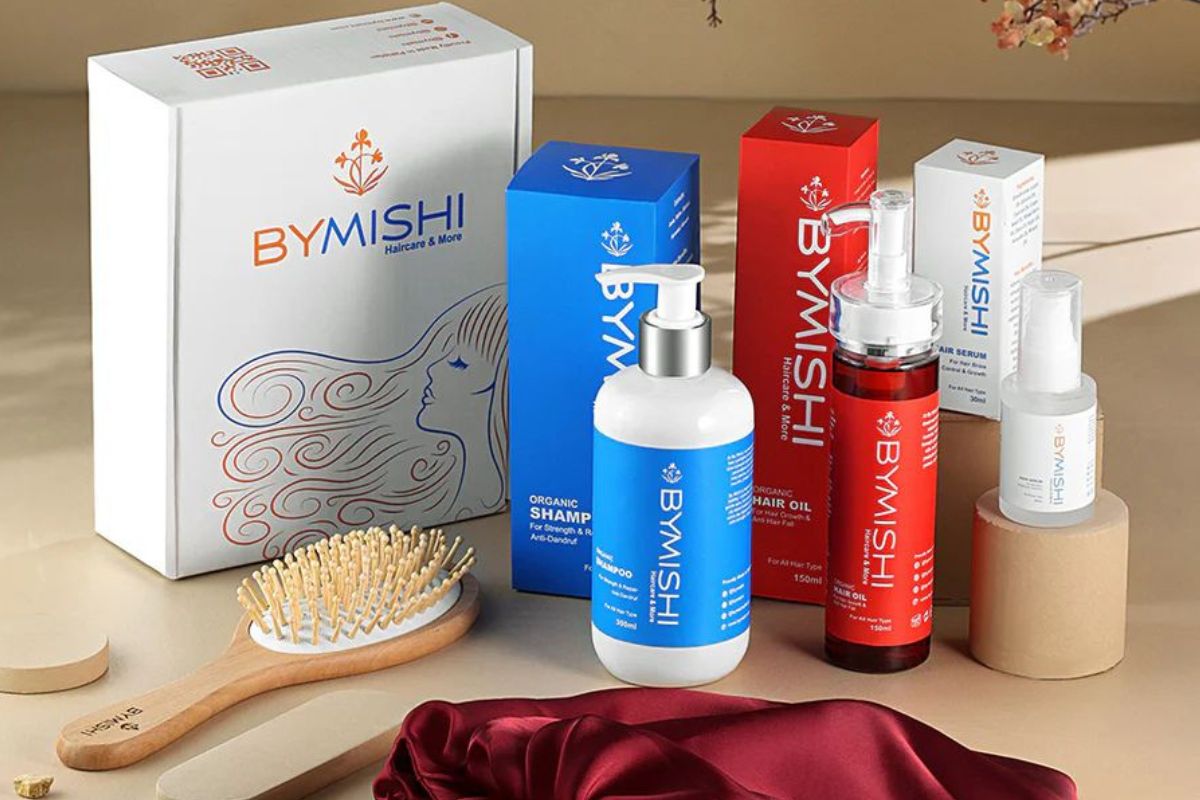
There seem to be countless options when it comes to hair care. Any store in Islamabad, Karachi, or Lahore will have shelves full of both domestic and foreign products. Are hair care products in Pakistan genuinely superior to foreign brands that cost two or three times as much? is the big question that many people have. Let's investigate this openly and assist you in making a more informed hair decision.
Before comparing products, it's critical to recognize something that many people miss: Pakistani hair has unique requirements that differ from those of hair in North America or Europe.
Most people in Pakistan deal with:
The problem is that foreign brands are typically designed for a particular environment and type of hair. Western hair textures and environmental factors are taken into consideration when developing their products. Therefore, they may not function as advertised when you use them here.
In contrast, indigenous hair care products in Pakistan are frequently created with the local temperature, water quality, and hair type in mind. That is a significant benefit from the outset.
One of the biggest reasons why local products have an edge is the use of traditional ingredients that have been trusted for generations. Pakistani hair care culture is deeply rooted in natural remedies — things like:
These tried-and-true components have been incorporated into contemporary shampoos, oils, masks, and serums by numerous regional companies. International products frequently lack this fusion of modern science and ancient wisdom since they do not have the same cultural connection to these substances.
Your grandma used to wash your hair with a mixture of mustard oil and neem leaves, a practice that is now supported by research. These components are used in local hair care products in Pakistan that follow generations of successful outcomes, not just trends.
Since money is important, let's discuss it. In Pakistan, foreign brands are substantially more costly. The price of a high-end shampoo from overseas can be two to five times higher than that of a comparable local product.
Now, greater outcomes are not always associated with higher prices. Many people have found better results—less hair loss, a softer texture, and a healthier scalp—after switching from pricey international shampoos to more reasonably priced local ones.
The explanation is straightforward. A product works best when it is tailored to your surroundings and hair type. Local-made hair care products in Pakistan are fresher when they get on your bathroom shelf because they don't have to travel thousands of miles.
Nevertheless, it would be unfair to discount all foreign brands. Some of them offer cutting-edge research, clinical testing, and specialized formulae that are effective for particular hair issues, such as extremely fine hair or severe chemical damage. Therefore, the solution is not clear-cut.
International brands do have some advantages that we should acknowledge honestly:
1. Advanced Technology Big global companies invest heavily in hair science. They develop complex molecules and patented technologies that go deep into the hair shaft and repair damage at a structural level. For chemically treated or heavily colored hair, these technologies can make a noticeable difference.
2. Wider Range of Specialized Products If you have a very specific hair concern — like heat-damaged hair from years of styling, or extremely fine hair that goes flat — international brands often have more targeted solutions.
3. Dermatologically Tested Formulas Many international brands go through rigorous clinical testing before launching a product. This gives some consumers confidence in the safety and effectiveness of what they are applying.
However, here is something to think about — even the best international formula will underperform if it is not suited to your hair type or the water you wash your hair with. A product that works beautifully in London may leave your hair feeling dry and stiff in Lahore.
The local industry has come a long way. The hair care products in Pakistan being produced today are not the same as what was available ten or fifteen years ago. Local manufacturers are:
Many local products now compete directly with imported ones in terms of quality, and they do it at a fraction of the cost. That is not just good for your hair — it is good for your wallet and for supporting the local economy.
There is also something emotionally satisfying about using a product made in your own country, with ingredients sourced from your own land. It feels more personal. It feels like it understands you.
Here is a truth that most of us do not want to admit — a lot of our preference for international brands comes from marketing, not actual results.
We see a celebrity with glossy, perfect hair promoting a foreign shampoo and immediately assume it must be better. But that celebrity probably does not even use the product in real life. Meanwhile, hair care products in Pakistan are often just as good or better, but they do not have the same massive advertising budgets to tell you that.
Next time you reach for an expensive imported product, ask yourself — am I paying for performance, or am I paying for packaging and a foreign accent in the advertisement?
Instead of choosing a side, here is a smarter approach:
Numerous individuals who have used high-quality, natural hair care products in Pakistan have discovered that their hair has improved more than it did when they used pricey, foreign substitutes. Finding the ideal fit for your unique hair demands is crucial.
Are Pakistani hair care products superior to those from other countries? To be honest, it depends on the product and your specific hair demands. However, it is evident that hair care products in Pakistan have real advantages that are frequently overlooked. They use well-known and efficient natural substances, are aware of the local climate, and provide genuine value for the money.

This post has been authored and published by one of our premium contributors, who are experts in their fields. They bring high-quality, well-researched content that adds significant value to our platform.