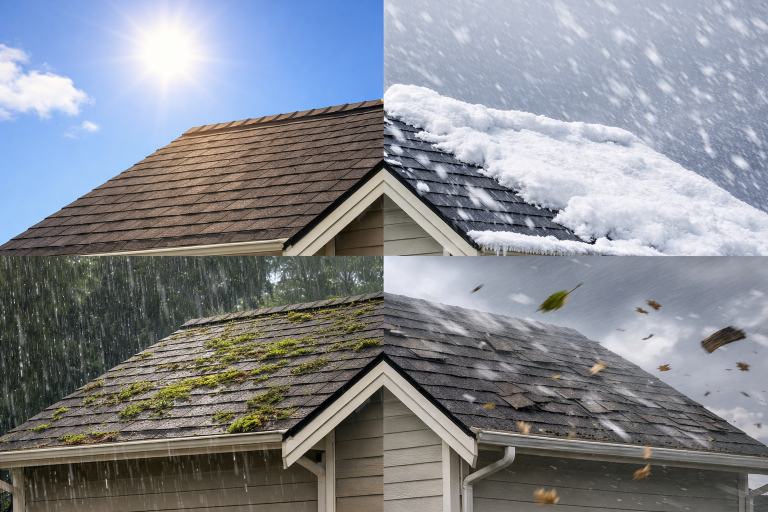
The roof of your home plays a critical role in shielding you and your property from a wide range of weather conditions. However, the lifespan of your roofing system can be heavily influenced by the unique climate patterns in your area. Whether you're dealing with intense sunshine, biting cold, heavy rainfall, or high winds, understanding these environmental factors can help you make proactive choices to extend your roof’s lifespan. Homeowners in areas with variable weather are wise to consult local experts, such as a Littleton roofing contractor, who understand the complexities of weather-related roofing challenges.
Awareness of how different climates affect roofing materials helps homeowners reduce unexpected repair costs. By learning which factors matter most in their region, homeowners can select the right materials and set up maintenance routines that maximize their roof’s longevity and performance.
Longevity can vary due to many reasons, from natural aging to severe storms. Factoring in these elements during installation means fewer surprises and more peace of mind down the road.
Furthermore, consulting reliable resources such as the National Roofing Contractors Association or local weather data from the National Weather Service can help you stay informed and prepared for potential roofing challenges caused by your region’s climate.
Constant exposure to strong sunlight and high temperatures can negatively affect many common roofing materials. Ultraviolet (UV) rays are particularly damaging to asphalt shingles and similar roofing types. Over time, these rays degrade the structure of roofing materials, making them brittle and more prone to cracking. This breakdown opens the door to leaks and further damage, ultimately reducing the roof’s overall lifespan. The U.S. Department of Energy notes that UV radiation is a leading cause of shingle deterioration, especially in states where daytime highs are frequently in the triple digits.
Thermal expansion also plays a role. Temperature swings between hot days and cooler nights cause roofing materials to expand and contract repeatedly, potentially creating gaps and allowing moisture to enter under the shingles.
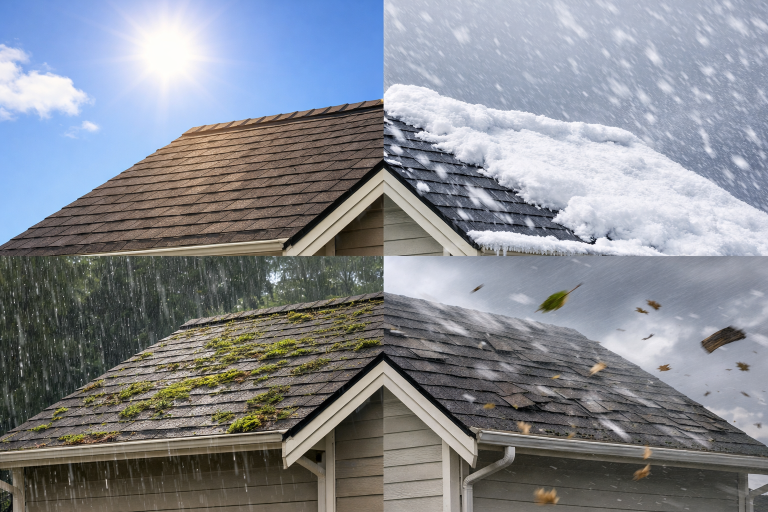
For those living in northern climates, winter presents its own unique roofing challenges. Heavy snow adds considerable weight to a roof, sometimes threatening the structural integrity if the roof is not designed to handle such loads. As snow melts and refreezes during daily temperature shifts, ice dams can form along the roof’s edge, blocking proper drainage and causing water to seep under shingles. This can shorten the life of asphalt shingles by several years in heavily affected regions like Northeast Ohio.
Freeze-thaw cycles also contribute to the breakdown of roofing materials. When trapped water freezes, it can expand small cracks, leading to larger issues and leaks over time. Homeowners in cold regions should regularly clear snow and ice and schedule annual roof inspections.
High humidity and frequent rainfall can wear away at roofs by creating persistent moisture problems. In states along the Gulf Coast and elsewhere with similar tropical or subtropical climates, roofs are prone to issues such as rot, mildew, and mold. This moist environment is also conducive to algae growth, which not only looks unsightly but can degrade some roofing materials faster than expected. Prolonged exposure to damp conditions weakens structural support and may even affect insulation and attic conditions.
Effective ventilation and proper waterproofing can help mitigate many of these problems, but regular inspection is necessary to detect mold and other hazards before extensive repairs are required. The Environmental Protection Agency offers helpful guidance on preventing and addressing mold issues caused by excessive moisture.
Heavy winds and powerful storms, such as hurricanes and tornadoes, are a leading cause of abrupt roof damage. High winds can lift or strip roofing shingles away, exposing the underlying structure to water infiltration. Likewise, flying debris from storms can puncture roofing surfaces, causing localized but severe damage that may require immediate repair. In regions with high storm frequency, it is essential to use wind-resistant materials and ensure the roof is securely fastened in accordance with local building codes.
The threat of wind damage underscores the need for not only strong materials but also sound installation practices and quality fasteners. Regularly inspecting your roof, especially after severe weather, can help prevent small problems from escalating into costly repairs.
Climate-related roofing challenges vary dramatically by region. For example:
Each climate requires a tailored approach to material choice and maintenance practices for maximum roof performance.
Routine maintenance is the most effective way to extend the life of any roof, regardless of climate. Homeowners should schedule yearly professional inspections, especially after major weather events. Clean gutters regularly, trim overhanging branches, and remove any debris that could trap moisture or impede drainage. When issues such as cracked shingles or missing flashing are detected, prompt repair is critical.
Material selection should reflect local climate needs. In hot areas, opt for materials with high reflectivity and UV resistance. In rainy regions, invest in algae-resistant shingles. Snow-prone zones benefit from heavier-duty materials that can withstand increased weight and freeze-thaw cycles.
Proper installation, including adequate ventilation, further mitigates environmental risks and supports a longer roofing life. Partnering with experienced professionals ensures that these installation standards are met, providing peace of mind over the years.
Climate and weather patterns have a profound influence on roof longevity. Whether coping with relentless sun, harsh winter storms, continual moisture, or extreme winds, a roof’s materials and maintenance must be chosen and managed strategically. By understanding regional climate impacts and following a proactive maintenance plan, homeowners can significantly extend the life of their roofing systems and secure long-term protection for their homes.

Ameer Hamza is a versatile content creator with a strong interest in researching and writing on a wide range of topics. His work spans technology, business, health, travel, lifestyle, education, entertainment, finance, and digital trends. He focuses on transforming complex information into clear, engaging, and easy-to-understand content that provides practical value to readers. By relying on credible sources and thorough research, Ameer strives to produce accurate, informative, and up-to-date articles that help readers stay informed and make better decisions.