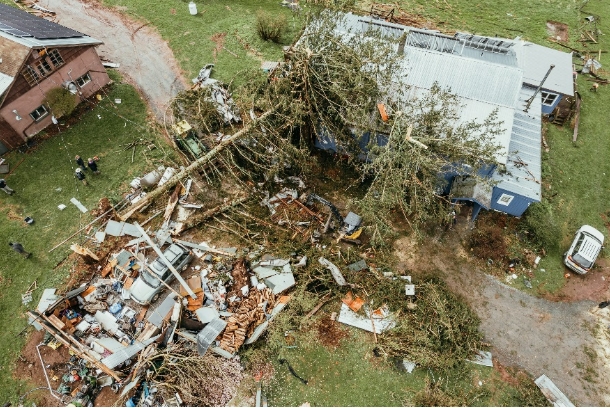
A crisis rarely announces itself. One moment everything is fine, and the next a pipe bursts behind a wall, a small kitchen fire spreads faster than expected, or a heavy storm pushes water under the front door. Property owners are often caught unprepared, scrambling to protect what they can while the situation worsens by the minute. The damage that follows is not always tied to the event itself. Much of it comes from the hours that pass before anyone takes meaningful action.
Reducing that damage starts long before a crisis happens. It depends on awareness, preparation, and a calm response when something goes wrong. Knowing what to do in the first hour can be the difference between a manageable repair and a month-long rebuild. The steps below walk through how to stay ahead of the worst outcomes when the unexpected hits your home or building.
Damage rarely stays in one place. A burst pipe sends water through subflooring and into ceilings below within an hour, smoke pushes into fabrics and porous surfaces long after the flames are out, and untreated moisture creates the conditions mold needs to take hold within a day or two. Property owners who try to wait it out or manage cleanup on their own often discover the real extent of the problem only after it has spread well beyond the original source.
By that point, repair costs have climbed sharply, and salvageable materials have been lost. This is where restoration and emergency services step in to handle water, fire, and mold damage around the clock, working directly with insurance carriers to restore the property to its pre-loss condition. A fast, trained response keeps a bad situation from becoming a much larger one.
Most of the damage that follows a crisis can be traced back to small things left undone. A loose roof shingle ignored through the summer becomes a bigger problem during the first heavy rain. A smoke alarm with a dead battery sits silent during a quiet warning sign in the attic. Routine inspections of the roof, plumbing, electrical panel, and major appliances catch these weak points before they fail at the worst possible moment.
Keeping a basic supply of materials on hand also pays off. Plastic sheeting, heavy tape, a few buckets, flashlights, and a working set of tools can buy precious time while professional help is on the way. A clear evacuation plan that every member of the household understands removes panic from the equation, and knowing where the main water shutoff and electrical breaker are located prevents a manageable problem from turning into a flooded basement or a smoldering wall.
Once the immediate danger has passed, the next priority is protecting your ability to recover financially. Take photos and videos of every affected area before moving anything or beginning cleanup. Wide shots establish the scope, and close-ups capture the specific damage to furniture, electronics, flooring, and personal belongings. Write down the time the incident began, the time you discovered it, and any actions you took in response.
This record becomes the foundation of any claim you file later. Adjusters rely heavily on visual evidence and detailed timelines, and gaps in documentation often lead to reduced payouts or denied claims. Keep receipts for anything you purchase during the response, including temporary lodging, replacement essentials, and any materials you buy to slow the spread of damage.
Not everything inside a damaged property is lost, but quick decisions determine what makes it through. Move undamaged furniture and valuables to a dry, secure area away from the affected zone. Lift items off wet flooring using blocks of wood or foil to prevent staining and absorption. Open windows and doors to improve airflow when the weather allows, but keep the property secured against entry if you must leave.
Avoid the temptation to plug in electronics that have been exposed to moisture or soot residue. Doing so risks shock, fire, and permanent damage to the device. Important documents such as passports, deeds, and policy paperwork should be set aside in a sealed bag and kept with you.
A crisis is not the time to start searching for phone numbers. Keep a short list of contacts ready before anything goes wrong, including your utility company, a licensed plumber, an electrician, and the non-emergency line for your local fire department. Save these in your phone and post a printed copy somewhere visible in the home, since a dead battery or damaged device can leave you stranded at the worst moment.
Knowing when to call also matters. A small leak under a sink can often wait until business hours, but a steady drip from a ceiling or a burning smell with no visible source needs immediate attention. Trust your instincts when something feels off. The cost of a false alarm is far smaller than the cost of ignoring a real warning sign for too long.
Crises will always be part of owning property, but the damage they cause does not have to be the worst possible version. Preparation, quick action, and clear documentation give you control over an event that feels uncontrollable.

Steve Henry writes on a wide variety of topics, bringing together thorough research and a reader-first approach to every article. His work covers technology, business, lifestyle, travel, health, education, finance, home improvement, and emerging trends. He focuses on explaining complex subjects in a clear, engaging, and accessible way, helping readers find reliable information and practical insights across multiple industries.