Choosing between a new, used, or certified pre-owned vehicle takes more than comparing sticker prices. Shoppers who want to Learn More about available vehicles should begin with a clear budget, realistic driving needs, and a plan for evaluating ownership costs. The best choice depends on how long you expect to keep the vehicle, how much uncertainty you can accept, and which features matter most. Payments, insurance, fuel or charging, repairs, resale value, and warranty coverage all deserve attention before you sign.
Modern car shopping involves more variables than price alone. A newer model may include updated driver-assistance technology, hybrid systems, electric range, or infotainment features. However, an older vehicle may cost less to buy and insure. Your commute, parking situation, annual mileage, access to charging, and plans for towing or family travel can all change. Which option makes the most sense?
A new vehicle has not previously been titled to a retail owner. Its main advantages are the latest available features, a full factory warranty, and the ability to choose a preferred trim, color, and equipment package. Early repair costs may be more predictable, especially for a buyer planning to keep one vehicle for eight years or longer. The trade-off is usually a higher purchase price and faster depreciation during the first years of ownership. New vehicles can also carry higher insurance premiums. A buyer should decide whether the added technology and warranty coverage justify those higher upfront costs.
Used vehicles often appeal because the first owner has already absorbed much of the early depreciation. That can create strong value, but the condition matters more than age alone. Review mileage, maintenance records, prior accidents, title history, number of owners, and signs of hard commercial or rental use. Warning signs include missing service records, mismatched tires, dashboard warning lights, odors of water, uneven body panels, and vague answers about ownership history. Always test-drive the vehicle and arrange an independent inspection when possible.
A certified pre-owned, or CPO, vehicle is a used vehicle that meets a manufacturer or dealer program's eligibility rules and inspection standards. Programs may include limited warranty coverage, roadside assistance, and reconditioning, but the details differ widely. Before relying on the label, review what the CPO warranty covers, including mileage limits, deductibles, excluded components, and transfer rules.
A CPO car generally costs more than a comparable used car, but it may offer greater confidence to buyers who want used-car savings with added protection.
Build a three- to five-year estimate rather than focusing only on the advertised price. Include the purchase price, down payment, loan interest, taxes and fees, insurance, fuel or charging, routine service, likely repairs, and expected resale value.
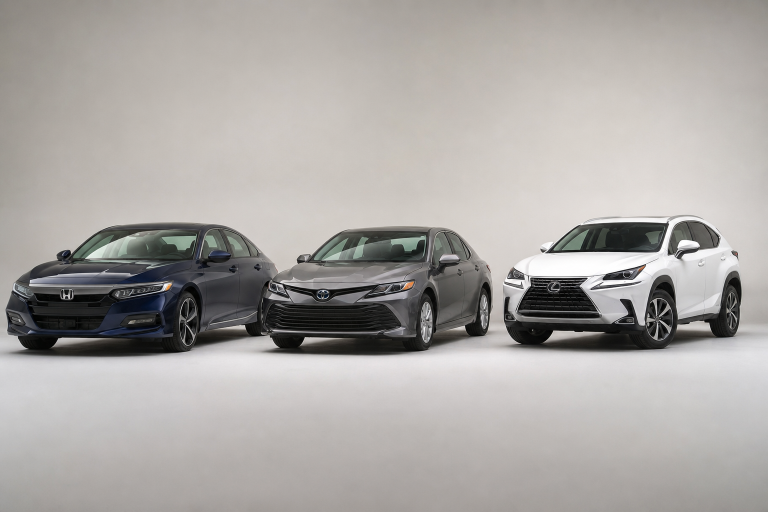
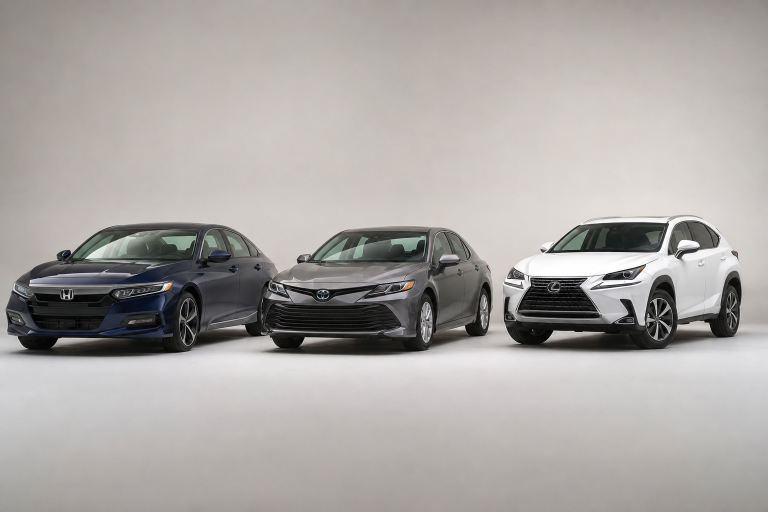
For example, three similar vehicles might have different purchase prices, yet the used option could need tires and brakes sooner, while the new option loses more value at resale. Compare the total estimate, not one expense in isolation.
A manageable monthly payment is not the same as an affordable loan. The basic calculation is vehicle price plus taxes and fees, minus trade-in and down payment, plus interest. Longer loan terms can lower the monthly payment while increasing total interest paid and extending the time you may owe more than the car is worth. Ask for the full out-the-door price before discussing payments. Then compare at least two financing offers, paying close attention to the annual percentage rate, loan length, total finance charge, and any optional products included in the contract.
Avoid shopping based solely on payment, skipping the test drive, assuming all CPO programs offer identical protection, or rushing because a listing seems rare. Comparing similar vehicles side by side with pricing and listing tools can help buyers spot meaningful differences in condition, equipment, and asking price.
No. A new car may provide stronger warranty coverage and current features, but a used or CPO vehicle may better fit a buyer's budget and ownership plans.
Not automatically. CPO vehicles may offer inspection and warranty benefits, but buyers should compare the actual program terms against the added price.
Pre-approval can establish a realistic price range and give buyers a financing offer to compare. Review the final loan paperwork carefully before accepting any terms.
The right vehicle fits your real driving needs, long-term budget, and comfort with repair risk. New, used, and certified pre-owned cars can all be sensible choices when you compare condition, warranty coverage, financing, maintenance needs, and total ownership costs with the same careful process. Taking time to inspect the vehicle, review its history, compare insurance and fuel expenses, and understand the terms before signing can help you avoid unexpected costs. The best choice is not always the newest or cheapest option, but the one that provides dependable transportation and good value throughout ownership.

Ameer Hamza is a versatile content creator with a strong interest in researching and writing on a wide range of topics. His work spans technology, business, health, travel, lifestyle, education, entertainment, finance, and digital trends. He focuses on transforming complex information into clear, engaging, and easy-to-understand content that provides practical value to readers. By relying on credible sources and thorough research, Ameer strives to produce accurate, informative, and up-to-date articles that help readers stay informed and make better decisions.