Most homeowners don't think about mold until they smell it. That damp, earthy odor that means something is growing where it shouldn't be. By then, the problem has usually been developing for weeks, sometimes months, hidden behind a wall or under a floor.
Here's the part nobody tells you: mold is not a rare disaster. It's a routine home maintenance issue, like a leaky roof or a clogged gutter, that becomes a disaster only when ignored. The homeowners who handle mold well aren't lucky. They know what to look for, and they act fast.
This is the guide I wish every homeowner had before their first mold problem.
Quick answer: mold grows wherever moisture lingers, and the fix is always the same, remove the moisture, remove the mold, and fix what caused it. Act within 24 to 48 hours of water damage. Most small mold problems are manageable, but large growth or mold inside walls needs professional remediation.
Why does mold grow in homes? Mold needs three things: moisture, organic material to feed on, and warmth. Homes provide all three constantly. Water from leaks, condensation, humidity, and flooding gives mold what it needs to start growing within 24 to 48 hours. That's why the fastest way to prevent mold is to control moisture, not to fight mold directly.
Where mold actually hides
The visible mold on a shower curtain is the least of your problems. The mold that matters is the mold you can't see. It grows inside walls after a leak, under floors after a flood, in attic rafters when ventilation fails, and inside HVAC systems where condensation collects.
The common thread is hidden moisture. A small leak behind a cabinet, a slow drip from an AC line, a gutter that directs water against the foundation. These create damp conditions that never dry out, and mold moves in.
The signs every homeowner should know
Your nose is the best detector. A musty, earthy smell that doesn't go away with windows open is mold somewhere. Other signs: water stains on ceilings or walls, peeling or bubbling paint, warped baseboards, and visible growth in corners or along grout lines.
Pay attention to health too. If your family experiences new allergy-like symptoms at home, congestion, coughing, headaches, that clear up when you're away, mold exposure is a real possibility.
The 24 to 48 hour rule
After any water event, a leak, a flood, a burst pipe, you have a narrow window. Materials that stay wet for 24 to 48 hours are at high risk of mold growth. Dry everything fast: pull up wet carpet, remove soaked drywall, run dehumidifiers and fans.
The homeowners who save thousands are the ones who treat water damage as an emergency, not an inconvenience. Every hour of delay is more growth.
What you can handle yourself
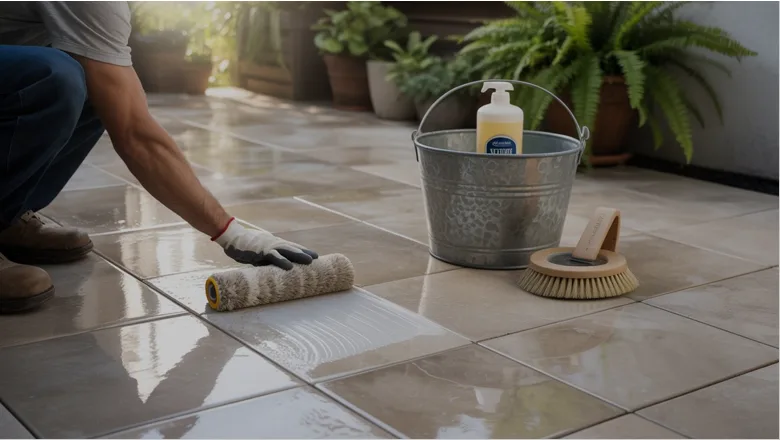
Small surface mold on non-porous materials, tile, glass, plastic, metal, is a DIY job. Clean it with detergent and water, or a commercial mold cleaner, and dry the area thoroughly. The key is fixing the moisture source, or it comes back.
A bathroom that gets musty between the grout lines probably needs better ventilation, not just cleaning. An exhaust fan that vents outside, or a window that opens, solves the root cause.
When to call a professional
Some mold is not a DIY job. Large areas of visible growth, mold inside walls or HVAC systems, mold after flooding, and mold in homes with people who have asthma or weakened immune systems all warrant professional remediation.
Professionals don't just clean. They contain the area so spores don't spread, remove contaminated materials like drywall and insulation, and use HEPA filtration to clean the air. Then they verify the work with clearance testing, so you know the space is actually safe.
Prevention is cheaper than remediation
Every mold remediation started with a moisture problem that was cheaper to fix early. Keep indoor humidity below 60 percent. Fix leaks the week you find them. Clean gutters and direct water away from the foundation. Ventilate bathrooms and kitchens. Check under sinks and around appliances regularly.
None of this is glamorous. It's the boring maintenance that keeps a small problem from becoming a five-figure remediation.
When it does get beyond what you can handle, you want a company that follows the IICRC S520 standard, contains the area properly, and verifies with clearance testing. Mr. Mold Removal is that kind of operation, and companies like it are the difference between a clean fix and a recurring problem.
Frequently Asked Questions
Is mold in a home dangerous?
For most people, common household mold is more nuisance than danger. But mold can trigger allergies and asthma, and some molds produce toxins. People with respiratory conditions, young children, and the elderly are most at risk. The responsible approach is to remove mold and fix the moisture.
How fast does mold grow after water damage?
Mold can begin growing within 24 to 48 hours on wet surfaces. That's why fast drying after any water event is critical. Porous materials like drywall and carpet that stay wet are at high risk.
Can I just clean mold with bleach?
Bleach works on non-porous surfaces but doesn't penetrate porous materials like drywall or wood, where mold roots grow. Detergent and water, or a dedicated mold cleaner, is often better. For significant growth, professional removal is the reliable option.
Does home insurance cover mold?
It depends on the cause. Insurance generally covers mold from sudden events like burst pipes, but not from long-term humidity or maintenance issues. Check your policy, and document everything if you file a claim.