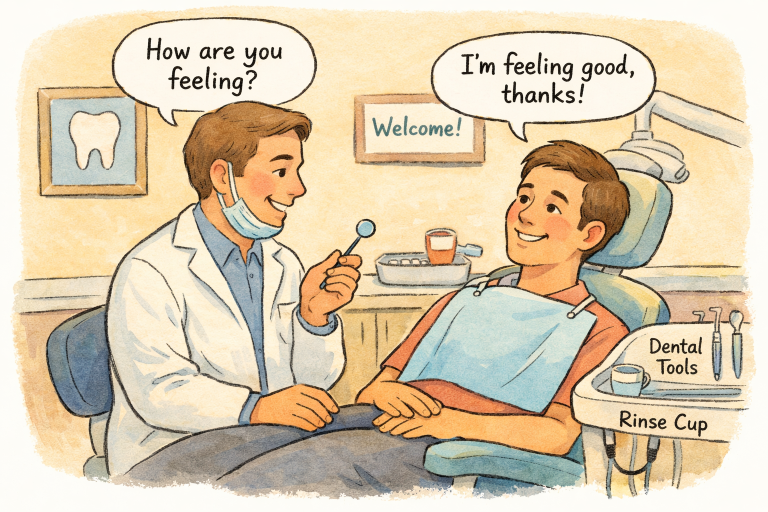
Dental anxiety keeps millions of people from keeping up with their oral health, often resulting in untreated dental issues and declining overall well-being. Those who dread the dentist may benefit from gentle dental care methods, which prioritize patient comfort, clear communication, and a calming environment. Options like sedation dentistry can provide significant relief for individuals who struggle with severe anxiety, making essential dental care accessible again.
Gentle dental practices are designed to reduce common triggers of dental anxiety, such as loud noises, bright lights, and pain concerns. Professionals who follow these approaches often rely on a mix of non-invasive treatments, tailored techniques, and supportive patient interaction. The goal is not just to treat oral health issues, but to make every visit as stress-free as possible, encouraging long-term patient trust and oral health maintenance.
Addressing dental fear early can help prevent more serious oral problems down the line. Patients who know their dentist offers sensitive, empathetic care are more likely to attend regular checkups and routine cleanings, which are critical to oral health. In this article, we’ll dive into key strategies for both patients and providers to overcome dental fear for good, looking at everything from sedation and pain management to supportive communication and home care habits.
Dental anxiety is more prevalent than many realize, impacting up to 36% of the population in some surveys. Contributing factors include a previous traumatic dental experience, discomfort with feelings of helplessness or loss of control, and even psychological triggers such as the sound or smell associated with dental offices. This anxiety often leads to treatment avoidance, one of the most significant barriers to better oral health outcomes. When left unchecked, skipped appointments can lead to gum disease, cavities, and even tooth loss.
Studies by authoritative publications have shown that when patients’ fears are addressed early, their likelihood of seeking regular dental care increases dramatically, underlining the need for compassionate, tailored approaches in every practice.
Dental care can be transformed for anxious patients through specific, mindful techniques. One effective approach is the use of topical numbing gels before administering injections, minimizing the sting and making even necessary local anesthesia less stressful. Dentists can also opt for quieter tools that do not trigger auditory anxiety, allowing patients to relax during their visits. Creating a soothing, low-light environment with calming music can also work wonders for the patient experience.
Equally important is a provider’s commitment to clear communication. By explaining each step of a procedure and regularly checking in with patients, professionals foster trust and transparency, helping reduce nervousness and uncertainty. Consistent reassurance, the opportunity for patients to signal discomfort, and a no-pressure approach to making treatment decisions all reinforce a sense of partnership and control.
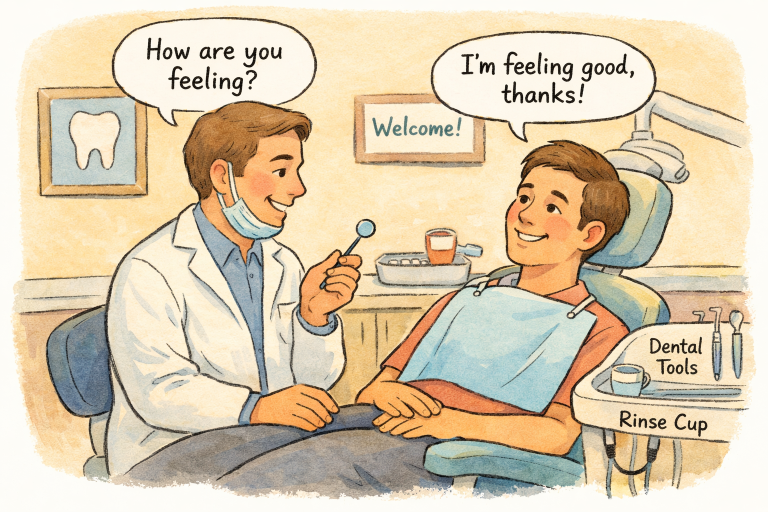
For some, traditional techniques may not be enough to overcome deep-seated dental anxiety. Sedation dentistry offers another layer of comfort by helping patients achieve a relaxed, calm state throughout their appointment. Sedatives range from mild options like nitrous oxide to oral medications or even IV sedation in more severe cases. These techniques can:
Because sedation dentistry is highly controllable and safe under professional supervision, it has become a go-to for those who cannot manage dental care without additional support.
Modern dental care prioritizes minimally invasive treatments whenever possible, especially for anxious patients. Silver Diamine Fluoride (SDF) is a liquid solution that can be painlessly brushed on early cavities, stopping decay without the need for drills or injections. Similarly, Atraumatic Restorative Treatment (ART) is a method that uses hand instruments and glass ionomer cement rather than traditional dental drills. These approaches are ideal for individuals with lower pain tolerance, special needs, or young children who may find more intensive procedures distressing.
With the growing array of gentle, non-invasive solutions, more patients than ever before are able to maintain their oral health in a way that feels safe and comfortable.
Strong communication fosters a partnership between patient and provider, empowering patients to share their concerns openly. When dentists take time to listen to fears, explain procedures in understandable language, and offer reassurance, patients feel less overwhelmed and more in control of their care plan. Practicing active listening and answering questions thoroughly can significantly reduce anxiety and lead to better overall health outcomes for anxious individuals.
A patient’s comfort is shaped by both the physical setting and thoughtful practice policies. Offices designed with calming colors, gentle lighting, and comforting artwork put patients at ease before they even reach the dental chair. Similarly, ergonomic and plush seating offers a physical sense of relaxation. During treatment itself, practices can provide distractions such as music, television, or virtual reality headsets, making even lengthy procedures pass more quickly and comfortably.
The best way to avoid extensive dental treatment is through consistent, gentle home care. Patients should use soft-bristled toothbrushes and toothpaste for sensitive teeth, brushing and flossing daily to maintain healthy gums and teeth while avoiding irritation. A balanced diet, low in sugary foods and acidic drinks, can further reduce the risk of decay. These habits lower the need for invasive procedures, making dental appointments less intimidating over time. Sensitive questioning about daily routines during dental visits can also alert providers to areas where lifestyle changes may help, reinforcing oral health and confidence at home.
Gentle dental care is a game-changer for anxious patients, offering compassion, innovation, and a tailored approach to every visit. By incorporating sedation options, minimally invasive techniques, strong communication, and a comfort-driven environment, dental professionals can help even the most fearful patients regain control of their oral health. Investing in these approaches not only reduces anxiety but also encourages lasting habits that lead to healthier, happier smiles for years to come.

Ameer Hamza is a versatile content creator with a strong interest in researching and writing on a wide range of topics. His work spans technology, business, health, travel, lifestyle, education, entertainment, finance, and digital trends. He focuses on transforming complex information into clear, engaging, and easy-to-understand content that provides practical value to readers. By relying on credible sources and thorough research, Ameer strives to produce accurate, informative, and up-to-date articles that help readers stay informed and make better decisions.