Post Preview
Maintaining optimal oral health is essential for anyone with dental implants. Developing effective routines and being mindful of potential issues can ensure your dental implants remain both functional and attractive for many years. By adopting comprehensive dental care strategies and seeking timely professional guidance, patients can confidently extend the life of their implants and protect their overall oral health. Understanding how to properly care for dental implants can help prevent complications down the road. Consistency in daily maintenance and regular communication with dental professionals provides a strong foundation for keeping implants secure and healthy. This proactive approach protects not only your investment in dental work but also your long-term well-being.
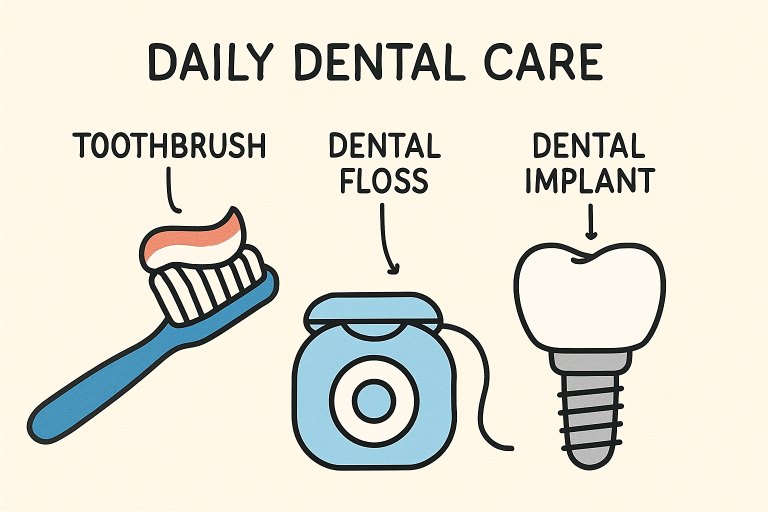
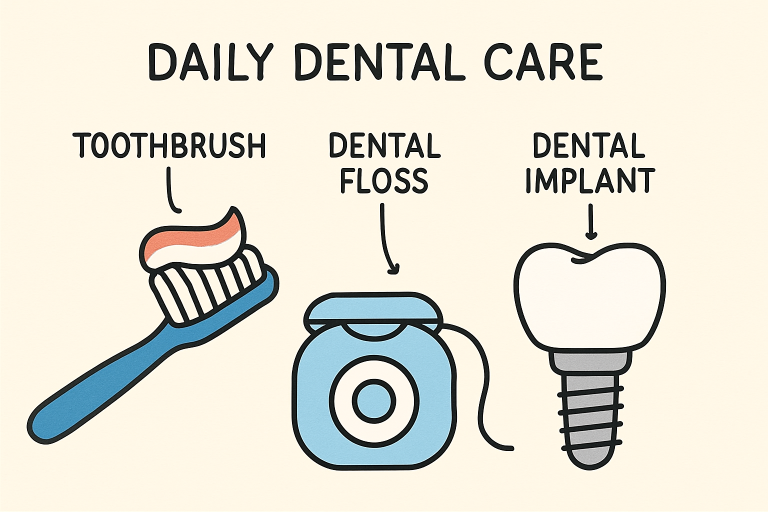
Adhering to a thorough daily oral hygiene regimen is a primary step in implant maintenance. Brush your teeth at least twice a day using a soft-bristled toothbrush and a non-abrasive toothpaste, ensuring you reach all surfaces around your implants. Flossing once daily is also key. Specialized floss, dental tape, or interdental brushes can target hard-to-reach areas adjacent to implants where plaque tends to accumulate. Incorporating an antimicrobial mouthwash into your routine provides an additional layer of protection, helping to reduce bacteria and preserve gum health. This combination of daily actions not only helps defend against gum disease but also prolongs implant lifespan by preventing infection and bone loss.
Besides basic hygiene, pay attention to any changes in your mouth, such as persistent bad taste or mild discomfort, that persist beyond a few days. These signs could be an early indication of emerging dental issues and should trigger a prompt visit to your dentist. It's important to realize that even the best home care cannot entirely substitute for professional advice and intervention. Consistent effort and attention to detail in your daily hygiene greatly increase the effectiveness of scheduled check-ups and cleanings.
Scheduling routine dental visits is indispensable for anyone with dental implants. Professional cleanings remove plaque and tartar that may not be accessible with at-home care. During your appointments, your dentist will conduct a thorough examination to detect any signs of implant instability, gum inflammation, or bone loss. These regular assessments enable early detection of emerging issues, such as peri-implantitis (a condition affecting the tissues around implants) or mechanical problems with implant components. Immediate action on minor issues can avert more serious complications and reduce the risk of implant failure. By prioritizing ongoing professional care, patients can maximize the longevity and performance of their implants.
Your overall lifestyle also influences the success of dental implants. Smoking is particularly detrimental, as it limits blood flow to the gums and impairs the healing process following implant placement. Non-smokers consistently show higher implant success rates, making smoking cessation a top priority for anyone considering or maintaining implants. Nutrition plays an equally important role. A diet rich in vitamins, minerals, and other essential nutrients strengthens the immune system and supports tissue repair. Calcium and vitamin D are especially beneficial as they help maintain strong bone structure around implants. For further guidance on the interplay between nutrition and dental health, the Centers for Disease Control and Prevention offers a wide array of resources.
Everyday behaviors can significantly impact the integrity of dental implants. Chewing on pens, ice, or hard candy creates unnecessary stress on both implants and natural teeth, increasing the risk of damage. Using your teeth as tools to open packaging or bottles can exert excessive pressure on implant fixtures, leading to cracks or loosening. If you are prone to teeth grinding or jaw clenching (commonly known as bruxism), discuss the potential use of a nightguard with your dentist. Nightguards protect implants by absorbing the shock of grinding motions and distributing force more evenly across your teeth and jaws, thus minimizing wear and potential fractures.
Early identification of implant-related complications leads to more successful interventions. Be vigilant for symptoms such as bleeding, redness, persistent swelling, or pain near the implant site. Unexplained bad breath or a metallic taste can also signal infection or peri-implant disease. If you notice these symptoms, do not delay in contacting your dental provider. Swift action may halt the progression of complications and preserve both your implants and underlying oral structures.
In-office dental cleanings are vital for maintaining implant health. Dentists use specialized instruments that safely clean around implants without scratching or damaging their surfaces. These tools can reach debris and calculus that standard home care products cannot address, ensuring thorough plaque control. Dental professionals also provide personalized advice tailored to your implant type, jaw structure, and individual needs. By combining in-office care with diligent at-home maintenance, you create a robust system for ensuring implant longevity and continued oral health.
Long-term success with dental implants is within reach for every patient willing to embrace daily oral care, schedule consistent dental visits, avoid damaging habits, and prioritize a healthy lifestyle. Taking a proactive and preventive approach not only protects your implants but also contributes to the continued health and beauty of your smile. Early intervention and professional guidance remain essential to maintaining your dental implants' security and functionality for years to come.

Ameer Hamza is a versatile content creator with a strong interest in researching and writing on a wide range of topics. His work spans technology, business, health, travel, lifestyle, education, entertainment, finance, and digital trends. He focuses on transforming complex information into clear, engaging, and easy-to-understand content that provides practical value to readers. By relying on credible sources and thorough research, Ameer strives to produce accurate, informative, and up-to-date articles that help readers stay informed and make better decisions.