Maintaining the exterior of commercial buildings is more than a matter of appearances; it is crucial for preserving both the value and safety of the property. For those seeking ways to keep their facilities looking their best, understanding the techniques and strategies behind exterior commercial cleaning can significantly enhance curb appeal while minimizing liability and repair costs.
Whether you manage a single storefront or oversee a campus of buildings, cleanliness sends a message of professionalism and care. Routine exterior cleaning removes buildup from pollution, organic materials, and weather, helping to safeguard against material deterioration. Well-kept properties project confidence and reliability, attributes valued by clients and tenants alike.
Another important point to consider is how the appearance and maintenance of commercial spaces often reflect on the businesses housed within. A clean, inviting exterior can attract more customers, increase property values, and reduce long-term maintenance costs by preventing irreversible damage caused by neglect.
It is also important to recognize that best practices for commercial property maintenance often overlap with other property types. If you are interested in learning more about maintaining other property types, such as residences, you may want to explore residential house cleaning solutions as well.
Commercial properties endure daily exposure to the elements, traffic pollutants, and organic growth. Dirt, grime, mold, and mildew can accumulate quickly, leading to surface staining, corrosion, and, ultimately, building material degradation. Preventative maintenance through regular exterior cleaning not only improves the building’s appearance but also protects the structure itself.
Neglected exteriors are vulnerable to long-term problems such as concrete spalling, wood rot, and compromised structural integrity. All these issues can lead to costly repairs or even code violations, which is why proactive cleaning is considered an industry best practice. Controlling pollutants and addressing biological growth promptly can significantly reduce health and safety risks for building occupants and the surrounding community.
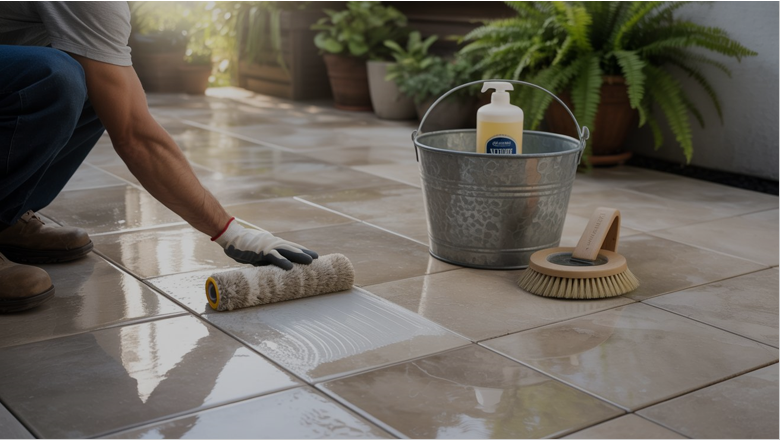
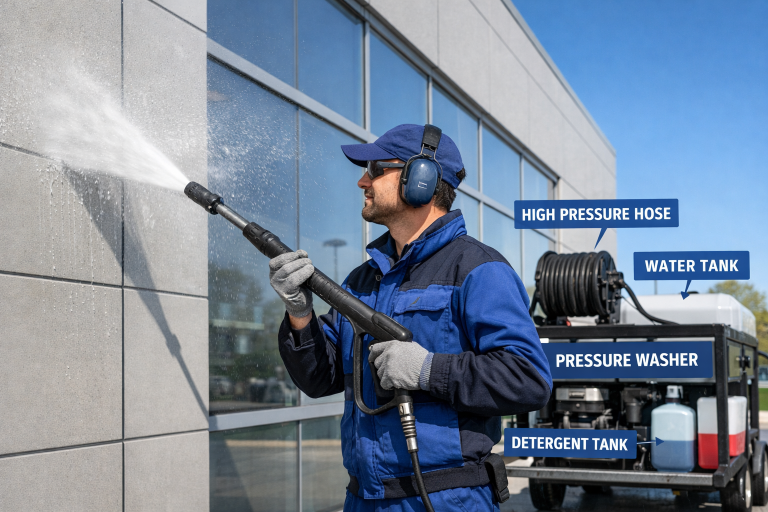
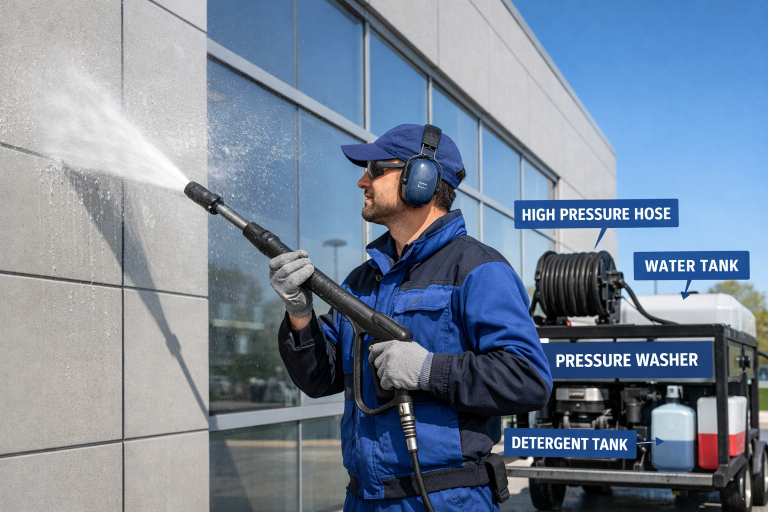
Each surface material requires a tailored approach to avoid unnecessary wear or damage. The most common cleaning methods include pressure washing and soft washing. Pressure washing uses high-pressure water jets and is effective for hard surfaces, while soft washing uses low pressure and specialized cleaning solutions for more delicate materials.
Determining the right method depends on the type of building material, the extent of buildup, and environmental constraints. Applying the correct approach preserves the aesthetic and functional qualities of exterior surfaces. For more specialized guidance, you can read about the key differences between soft washing and pressure washing.
Proper safety protocols protect both the cleaning crew and building users. Essential practices include wearing personal protective equipment such as gloves, goggles, and harnesses, especially when working at heights. Ensuring that ladders and scaffolding are stable and securely positioned is critical, as is being vigilant about electrical hazards in the vicinity of power lines and light fixtures.
Following Occupational Safety and Health Administration (OSHA) guidelines and routinely training staff on updated safety procedures can prevent injuries and compliance issues (OSHA Fall Protection).
In today’s environmentally-conscious world, sustainable cleaning practices are more important than ever. Using biodegradable, non-toxic cleansers reduces harm to plants, wildlife, and water systems. Water reclamation and recycling tactics further decrease waste and resource consumption. Disposing of debris and wastewater responsibly is essential to prevent pollution and comply with local regulations.
Implementing environmentally friendly strategies, such as choosing products approved by recognized agencies, not only protects the planet but also supports a cleaner, healthier community around your property.
Leveraging the knowledge and equipment that professional cleaning providers bring allows businesses to achieve safer, more effective, and thorough results. Professionals are adept at evaluating materials and conditions, selecting appropriate techniques, and handling specialized cleaning tasks.
Comprehensive service also means developing long-term cleaning programs tailored to specific climate and operational needs, which can drastically cut future repair expenses and help retain property value.
Creating a scheduled cleaning plan ensures consistent upkeep throughout the year. Key considerations when designing a maintenance schedule include the region’s climate, the nature and age of building materials, and the volume of foot and vehicle traffic the property endures.
A well-executed exterior commercial cleaning plan delivers distinct advantages, from prolonging property lifespan to attracting business. By using correct cleaning methods, enforcing safety and environmental standards, and considering professional support, businesses can maintain buildings that look inviting and function as intended for years to come.

Ameer Hamza is a versatile content creator with a strong interest in researching and writing on a wide range of topics. His work spans technology, business, health, travel, lifestyle, education, entertainment, finance, and digital trends. He focuses on transforming complex information into clear, engaging, and easy-to-understand content that provides practical value to readers. By relying on credible sources and thorough research, Ameer strives to produce accurate, informative, and up-to-date articles that help readers stay informed and make better decisions.