Key Takeaways
- QR codes naturally connect offline objects with digital content, making user interactions faster and more engaging.
- They offer innovative business applications across product marketing and logistics, enhancing efficiency and customer engagement.
- While QR codes offer convenience, users and organizations must remain vigilant about security and best practices.
QR codes have become an essential part of daily routines, seamlessly blending the physical and digital worlds. From restaurant menus to transportation and event ticketing, these simple square patterns streamline how we access content, interact with services, and make purchases. Their success in bridging users and information lies in their instant accessibility, convenience, and adaptability across almost any industry. The widespread adoption of QR codes has also made monitoring their usage, performance, and security a growing priority for businesses and consumers alike. Understanding these facets is crucial, as QR code usage continues to expand, shaping the future of digital engagement and commerce.
The Origin and Evolution of QR Codes
Quick Response (QR) codes originated in 1994 in the automotive industry in Japan. They were developed to track parts efficiently, offering superior speed and data capacity compared to traditional barcodes. Unlike classic barcodes, QR codes can store a significant amount of information, including URLs, text, and contact details. They can be scanned from any direction, making them practical for diverse environments and laying the foundation for their later popularity among businesses and consumers. As adoption of QR codes has expanded, monitoring their use, scanning, and management has become increasingly relevant in both operational and security contexts.
Enhancing Consumer Engagement
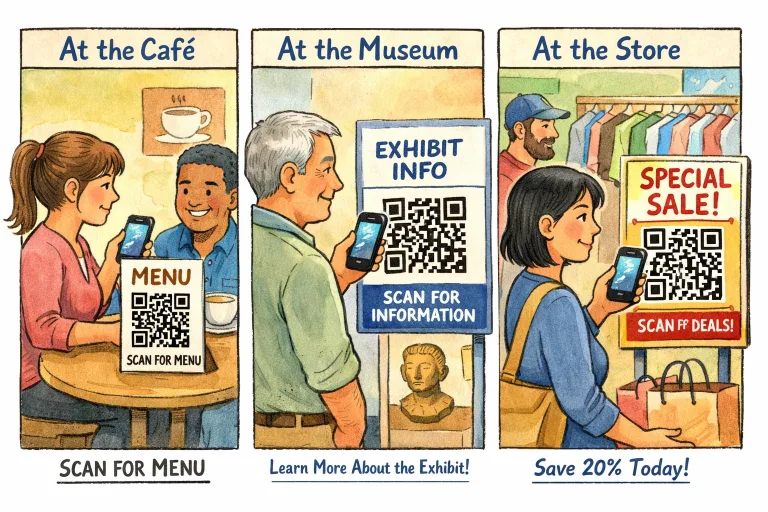
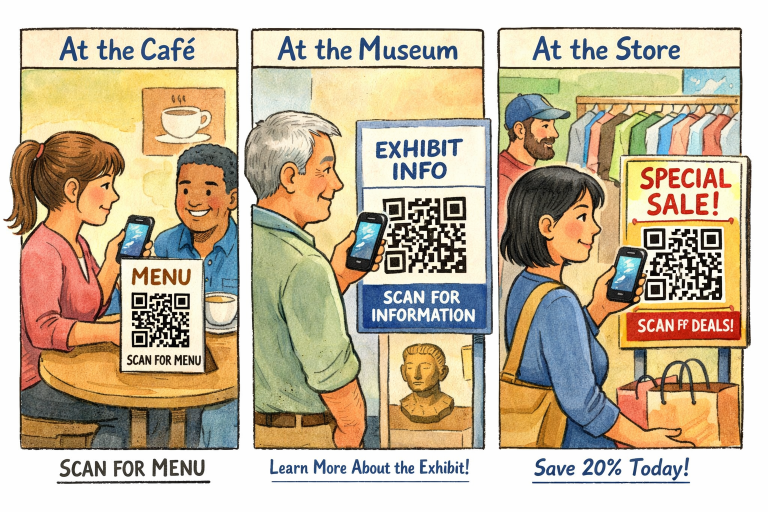
For many consumers, the first experience with QR codes may have come through marketing campaigns, digital tickets, or contactless menus in response to the COVID-19 pandemic. The pandemic acted as a catalyst, normalizing QR code usage and enabling contactless transactions while minimizing physical touchpoints. Restaurants, for example, adopted QR code menus, making it easy for diners to browse offerings and order food right from their smartphones. This shift not only sped up ordering but also improved hygiene and reduced menu-printing costs for businesses.
Retailers and event organizers have also used QR codes to share exclusive deals or direct customers to event details. Museums embed codes next to exhibits, offering rich media guides, and healthcare providers use QR codes for patient check-ins and information access. These use cases demonstrate how QR codes improve customer experience by offering timely, tailored, and easily accessible information. They empower users to engage deeply with brands through just a smartphone scan.
Business Applications and Innovations
Businesses have integrated QR codes in countless ways to enhance operational efficiency and consumer trust. Marketers use codes on packaging or advertisements to guide customers to product details, promotional offers, or interactive content. Manufacturers use QR codes for product authentication, helping customers verify the origin and authenticity of goods, which is especially valuable in sectors such as luxury goods and pharmaceuticals.
Customer service is also seeing innovation. Retailers place QR codes at checkout counters or on receipts for customers to leave instant feedback. Service providers use them for appointment check-ins, while logistics companies track parcels from the warehouse to the doorstep using embedded QR codes. The flexibility of QR codes allows businesses to create custom user journeys, gather real-time analytics, and adapt campaigns quickly. More information about the rise of contactless business tools can be found on Forbes.
Security Considerations and Best Practices
Despite their advantages, QR codes also present unique security challenges. Cybercriminals have developed techniques like quishing (QR phishing), where malicious codes redirect unsuspecting users to fake websites designed to steal personal data or install malware. Given the inability to visually distinguish between safe and malicious code, users are vulnerable when scanning code from untrusted sources.
To protect themselves, consumers and organizations should embrace security best practices. Always verify the context in which a QR code is presented. Avoid scanning codes received through unsolicited messages or posted in public spaces without clear branding or explanation. Additionally, use security apps that preview links before opening them and encourage staff and customers to report suspicious links. ZDNet offers more insights into QR code security and safe practices.
The Future of QR Codes
QR code technology continues to evolve, becoming smarter and more deeply integrated into digital ecosystems. Dynamic QR codes, which allow real-time updates to linked content, give businesses the agility to change promotions or information without altering physical signage. The integration of QR codes with payment systems has made contactless payments widespread, transforming how consumers pay for transportation, retail goods, and dining. As artificial intelligence and augmented reality tools pair with QR codes, new applications such as interactive marketing and immersive learning experiences are on the horizon.
Given their ability to facilitate instant, contactless access to digital resources, QR codes are likely to remain central to how people interact with their environment and brands. As organizations continue to innovate, maintaining trust and following security best practices will be crucial to ensuring QR codes deliver their intended convenience and value.
Final Thoughts
In summary, QR codes have come a long way since their beginnings in the automotive industry, now acting as powerful connectors between real-world objects and digital content. As they become even more embedded in daily life, awareness of their benefits and risks will enable businesses and consumers to make the most of this practical and dynamic technology.