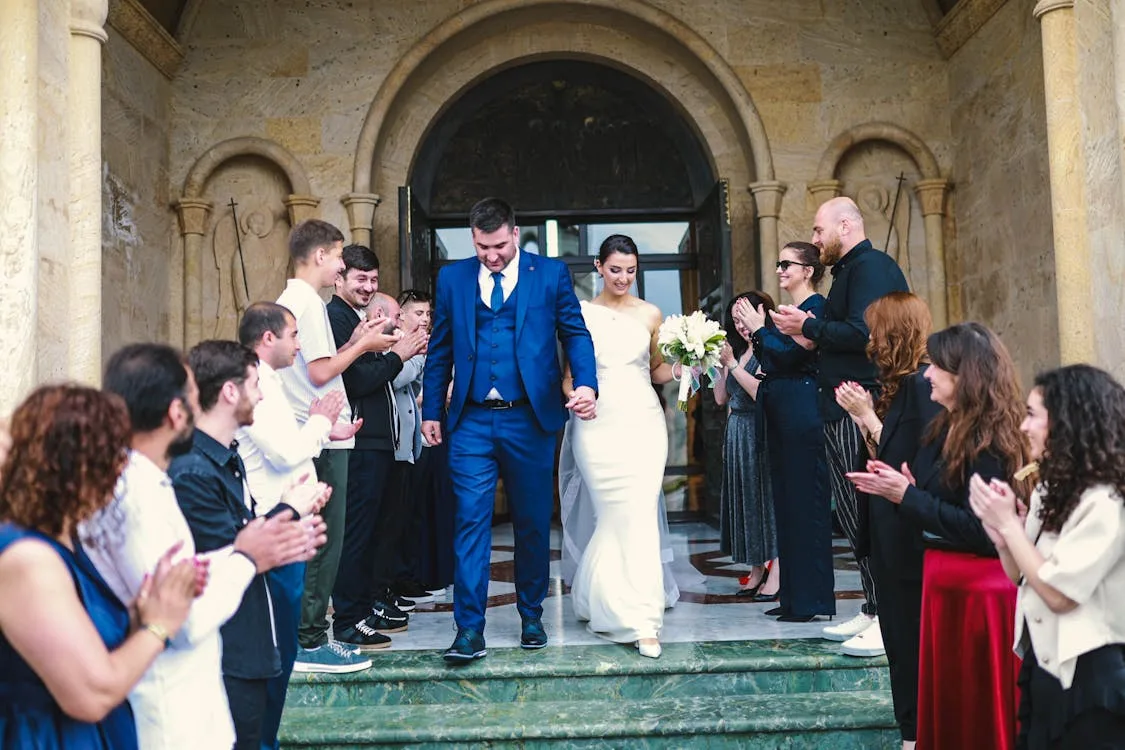
Most wedding planning advice assumes both people live close enough to argue about cake flavours in person, visit venues together on weekends, and drag each other through endless decoration decisions without needing international flight schedules involved. International couples often discover that their version of wedding planning looks completely different. A conversation about centrepieces somehow turns into a discussion about passports. Venue research gets interrupted by immigration requirements. Family RSVPs depend on visa approvals, flight prices, and whether somebody can actually take enough time off work to cross an ocean.
Planning a wedding in the UK often highlights those differences even more clearly. While one couple might spend Saturday comparing floral arrangements, another is comparing flight routes, gathering legal documents, calculating relocation costs, and helping relatives understand international travel requirements. The ceremony itself becomes one piece of a much larger puzzle involving future housing plans, immigration timelines, family logistics, and long-term financial decisions.
Immigration Timelines
Many couples imagine choosing a wedding date based on venue availability, favourite seasons, or meaningful anniversaries. International relationships often work differently because legal timelines tend to have much more influence over scheduling than anyone expects initially. Before deposits get paid or invitations get designed, couples may already be checking application processing periods, document requirements, and relocation deadlines that affect when marriage can realistically happen.
This planning becomes especially noticeable for couples with futures connected to the UK. Conversations about where to hold the wedding often connect directly to immigration planning long before anyone starts thinking about table settings or entertainment. The fiance visa UK process frequently becomes part of the initial planning because legal timelines can influence everything from ceremony dates to relocation plans afterwards. Some couples discover that paperwork controls the wedding calendar far more than venue brochures ever do.
Early Relocation Plans
One of the most significant aspects of international relationships is that people often discuss where they might live together before they even officially discuss marriage. A casual conversation about future travel turns into questions about careers, housing costs, healthcare systems, and whether someone could realistically move countries one day. Long before engagement photos appear, many couples are already imagining practical details of daily life together.
Those conversations become important because relocation affects almost every wedding decision later. Someone may need to think about leaving a job, ending a lease, moving possessions internationally, or adapting to a completely different environment after marriage.
Time Zone Challenges
Time zones sound harmless until wedding planning begins. Suddenly, every decision requires scheduling skills that feel worthy of an international business conference. One person finishes work just as the other prepares for bed. A venue responds to an email while one partner sleeps. Family members from different countries want updates during completely different parts of the day.
Even simple planning tasks can become surprisingly entertaining. Someone wakes up to fifteen messages about guest lists sent overnight. A video call discussing photographers happens at six in the morning for one partner and late evening for the other. International couples often become experts at calendar management because wedding planning across time zones turns ordinary communication into a daily logistical challenge.
Family Attendance
Guest lists become much more complicated once multiple countries enter the picture. Domestic weddings usually involve questions about seating arrangements. International weddings introduce concerns about passports, travel budgets, connecting flights, accommodation bookings, and whether relatives feel comfortable making long international trips.
Families often want to attend, though practical realities sometimes create difficult choices. Grandparents may find long flights challenging. Relatives with young children may struggle with travel expenses. Others may need months of preparation before committing to international plans.
Travel Expenses
Travel costs often become one of the biggest hidden wedding expenses in international relationships. Before engagement rings, venue deposits, or wedding attire enter the conversation, many couples have already spent significant amounts simply maintaining the relationship itself. Flights, hotels, airport transfers, and repeated visits slowly add up across months or years without attracting much attention initially.
Those costs continue during wedding planning, too. Pre-wedding visits may become necessary for venue tours, family meetings, legal appointments, or relocation preparation. Somebody is always watching airfare prices, hoping a flight drops by a few hundred dollars before booking. International couples often laugh about becoming amateur travel agents because so much of their relationship budget revolves around transportation.
Financial Planning
International weddings require a completely different level of financial planning because couples are rarely budgeting for one event alone. Wedding expenses sit alongside relocation costs, travel bookings, legal paperwork, accommodation arrangements, and future housing plans that may all happen within the same period. A couple might be discussing catering quotes one day and researching moving costs between countries the next.
This overlap creates a planning experience that feels much larger than a traditional wedding budget. Money conversations often involve exchange rates, international banking fees, relocation savings, emergency funds, and future financial goals alongside ordinary wedding spending.
Cultural Expectations
International weddings often involve much more than bringing two people together because families may carry completely different expectations around traditions, ceremonies, celebrations, and family involvement. One family may expect a large gathering lasting several days, while the other prefers something smaller and more informal. Even simple decisions can become interesting once different cultural backgrounds enter the conversation.
Many couples spend considerable time finding ways to honour both sides without making the celebration feel divided. Food, music, clothing, ceremony elements, and family traditions often become opportunities to bring different backgrounds together in creative ways. Those conversations sometimes require patience, though they frequently become some of the most memorable parts of planning because the wedding starts reflecting the unique story behind the relationship itself.
Digital Planning
Technology has become one of the most important wedding planning tools for international couples. Video calls replace many venue meetings. Shared documents become planning headquarters. Messaging apps handle everything from budget discussions to family updates. Entire sections of the wedding may be organised without both partners ever being in the same room during the planning process.
International couples often become surprisingly skilled at managing projects remotely because distance leaves little choice. Vendor meetings happen online. Guest lists get updated through shared spreadsheets. Family members from different countries join planning conversations through video calls. What could feel like a disadvantage sometimes creates a wedding planning process that feels incredibly organised because communication depends heavily on keeping everything documented and accessible.
International weddings come with aspects that rarely appear in traditional wedding guides. Immigration timelines, relocation discussions, travel expenses, cultural expectations, family logistics, and financial preparation all become part of the experience long before the ceremony arrives. While those details create extra complexity, they often make the journey uniquely memorable.