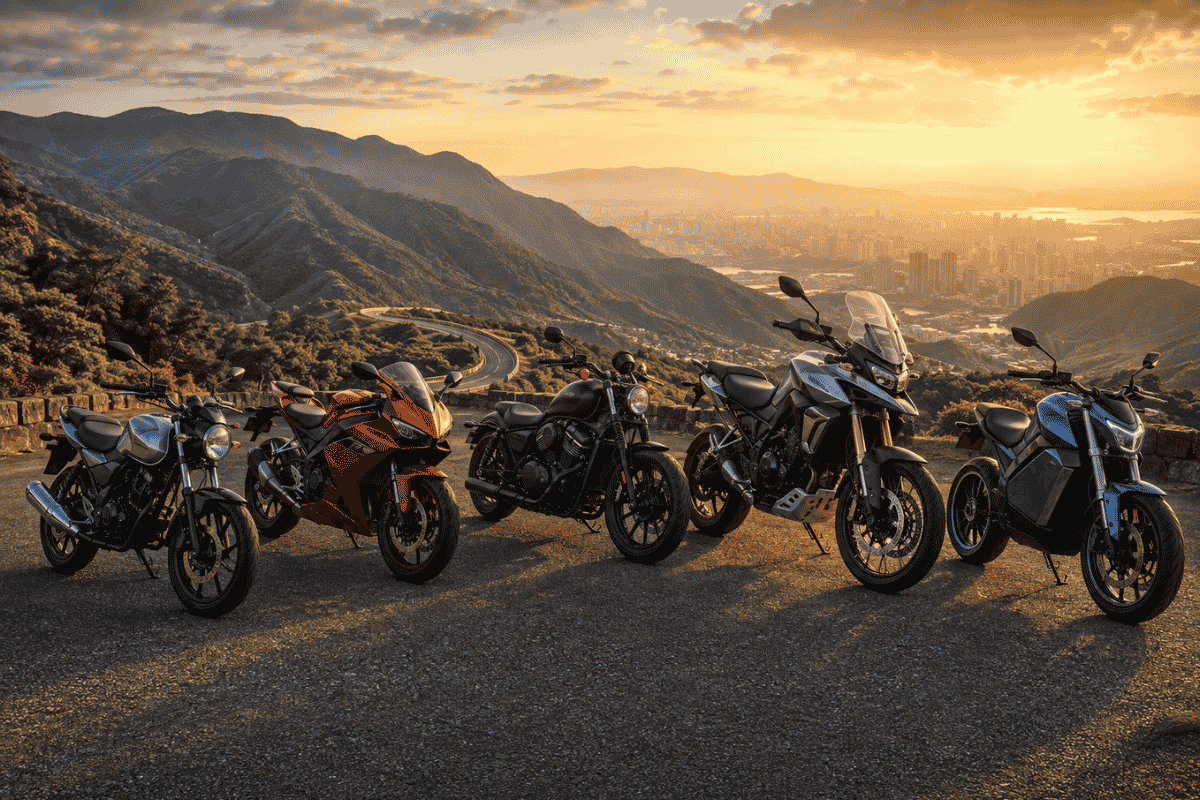
Choosing a motorcycle becomes easier when you begin with one simple question: where will you ride it most often? A motorcycle designed for crowded city roads may not offer the comfort required for long highway journeys. Similarly, a tall adventure bike may be unnecessarily difficult to manage when the rider only travels short distances.
Understanding your main riding purpose can help you identify the most suitable category before comparing individual models.
City riders regularly encounter traffic congestion, narrow roads and frequent stops. A suitable urban motorcycle should be lightweight, manageable and economical.
Commuter bikes are designed for these conditions. They normally provide smooth power delivery, upright seating and good fuel efficiency. Their simple construction may also result in affordable servicing and widely available parts.
Electric motorcycles can be another practical city option. They offer quiet operation and smooth acceleration, but buyers should confirm the real-world range, charging time and battery warranty.
A rider who commutes during the week and travels on highways at weekends needs greater versatility.
Naked or street bikes can offer a useful combination of performance and comfort. They generally provide more power than basic commuter motorcycles while maintaining a relatively upright riding position.
These bikes are easy to manoeuvre in traffic and capable of occasional highway journeys. Their limited wind protection may become noticeable at higher speeds, so riders planning frequent highway travel should consider a suitable windscreen.
Sports bikes are developed for riders who value acceleration, aerodynamic design and responsive handling. Their fully-faired bodywork and forward-leaning posture distinguish them from most other categories.
The aggressive seating position may feel uncomfortable during extended journeys or congested travel. Performance motorcycles can also involve higher tyre, fuel, insurance and maintenance expenses.
New riders should select an engine capacity that matches their experience rather than choosing the most powerful available option.
Cruiser motorcycles feature low seats, broad handlebars and a relaxed riding position. They are suitable for riders who enjoy steady highway journeys and distinctive styling.
Although their low seats can make it easier to reach the ground, cruisers may be heavy. Buyers should check low-speed balance, parking effort and turning ability during a test ride.
Touring motorcycles focus on comfort over extended distances. They may include windscreens, supportive seats, large fuel tanks and luggage options.
These features are valuable for regular road trips, but touring motorcycles can feel heavy and inconvenient in crowded cities. Consider whether long journeys are frequent enough to justify a specialised touring model.
Adventure motorcycles use upright ergonomics, long suspension travel and increased ground clearance. These features can help riders travel across highways, broken roads and mild trails.
The tall seat and higher centre of gravity may present challenges for shorter or inexperienced riders. Check whether you can confidently stop, reverse and park the motorcycle.
Dedicated dirt bikes are more suitable for serious off-road trails. However, not every dirt bike can be legally registered for public roads.
Write down the percentage of your riding that will take place in the city, on highways and over rough roads. This will reveal which category best matches your actual requirements.
Visit Khelo24race to understand the major motorcycle categories and how their features support different riding purposes.
After selecting a category, compare two or three models and take proper test rides. The ideal motorcycle should feel comfortable, manageable and affordable during the journeys you make regularly.

This post has been authored and published by one of our premium contributors, who are experts in their fields. They bring high-quality, well-researched content that adds significant value to our platform.