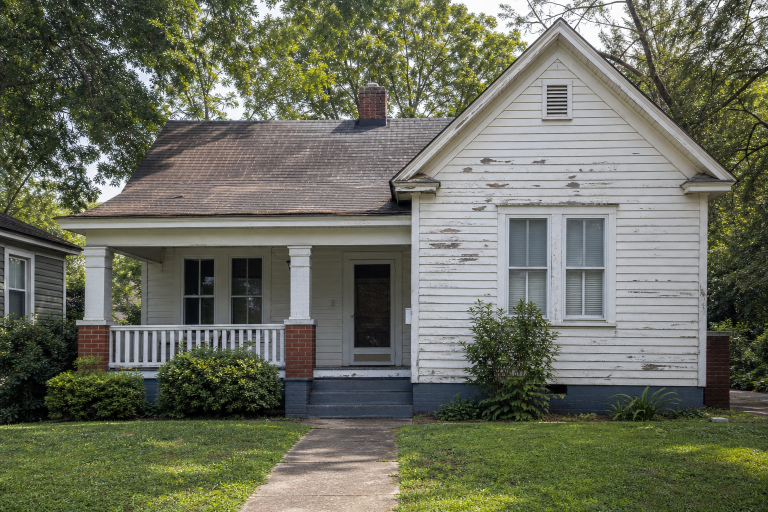
Selling a house as-is in Charlotte can be a practical choice when a property needs repairs, the owner has a tight timeline, or managing a renovation is not realistic. Instead of assuming there is one best route, homeowners can compare a traditional listing, a sale-by-owner, and conversations with Cash buyers in Charlotte, NC.
An as-is sale means the owner intends to sell the property in its present condition. It does not mean a buyer must waive inspections, accept every issue without question, or lose the ability to negotiate. The contract and the buyer's due diligence terms determine what happens after an inspection.
The right approach depends on the home's condition, the available repair budget, the desired closing date, and the willingness to handle showings and negotiations. A seller with time to prepare may reach a different conclusion than someone handling an inherited, vacant, or tenant-occupied house.
Before choosing a path, identify the home's visible issues, gather records, and estimate the cost of waiting. Mortgage payments, insurance, taxes, utilities, lawn care, and security can all affect the final proceeds.
Homeowners who want to explore a direct-sale option can also review https://northshorecashoffer.com/ separately from comparing agent-led listings and repair plans.
As-is describes the condition being offered, not a blanket release from responsibility. For example, an older Charlotte home may have roof wear, dated wiring, prior water intrusion, or a damp crawl space. A buyer may still inspect it and respond by proceeding, requesting a price change, requesting a credit, or ending the deal, if the contract permits. Sellers should never hide known defects.
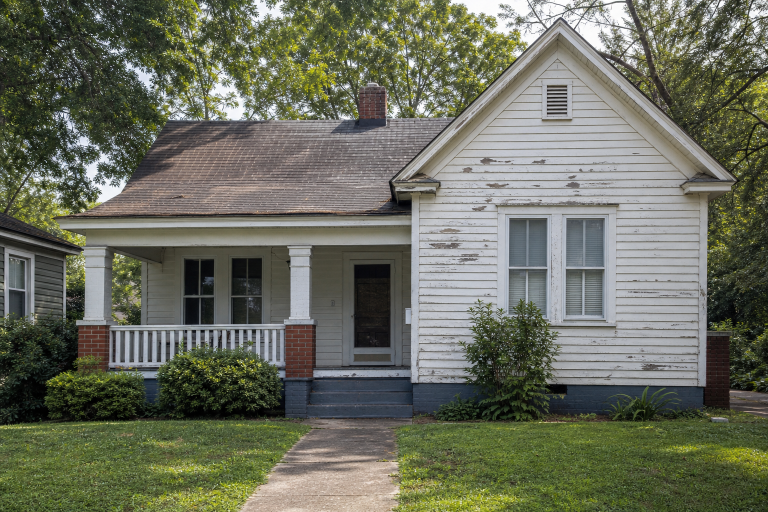
Owners often choose this route because repairs cost more than they can comfortably fund, a job or family move requires speed, or an inherited home must be managed from another city. It can also help landlords exiting a rental, owners of vacant homes facing upkeep concerns, and households dealing with divorce, estate administration, or changing finances.
Every home is different, but buyer interest and pricing often change when there are roof leaks, foundation movement, crawl-space moisture, outdated plumbing or electrical systems, HVAC problems, mold, pests, unfinished rooms, or unpermitted improvements. Heavy clutter, long-deferred maintenance, damage from abandoned property, and tenant access issues can also narrow the buyer pool.
An agent can provide market exposure, pricing guidance, marketing, showing coordination, and offer negotiations. The home may need a lower list price to reflect its condition. A pre-listing inspection can reveal surprises before a buyer finds them, although it is an added upfront expense.
A direct buyer may be willing to purchase without the usual repair work and with fewer showings. The trade-off is that the offer may account for repair risk, resale costs, and the buyer's desired margin. Request written terms, verify proof of funds, and understand the proposed closing process before committing.
Owners can market the property themselves, but they must handle pricing, advertising, buyer screening, scheduling, contracts, and negotiations. A North Carolina real estate attorney can help with legal, title, and closing questions.
Homeowners should assess recent sales to estimate their property's market value, factoring in necessary repairs and costs. They can choose to repair and list the home for increased appeal, list it as-is for broader exposure, or sell directly for quicker transactions, each option having its benefits and drawbacks. Sellers in North Carolina must also be aware of disclosure requirements regarding property conditions.
An as-is label does not replace honest disclosure. Most residential sellers should review the state's requirements and the North Carolina property disclosure form before accepting an offer. Estate matters, liens, divorce, tenant issues, title concerns, and unclear ownership are situations where legal guidance is particularly important.
The highest number is not always the strongest offer. Compare the price, financing type, proof of funds or lender preapproval, due diligence period, earnest money, repair requests, seller concessions, closing date, assignment rights, and conditions that could cause the transaction to fail. Review the full written contract rather than relying on the headline price.
Common errors include overpricing, overspending on improvements with limited return, failing to disclose known problems, accepting an unverified buyer, and ignoring title or probate issues. Sellers should also avoid assuming that as-is prevents inspections or that a quick closing automatically produces the best net result.
Yes. Significant defects can affect financing, buyer demand, price, and disclosures, but they do not automatically prevent a sale.
Small safety and cosmetic updates may help. Large projects deserve a cost-versus-return comparison before work begins.
Often, yes, but probate authority, multiple heirs, insurance, title work, and property access should be addressed first. For additional perspective on the responsibilities involved, review this as-is home sale guide.
Timing depends on the buyer, title condition, financing, contract deadlines, and closing professional. Cash sales may have fewer financing steps, but the written agreement controls the actual timeline.
Selling a Charlotte house as-is is one valid path, not a one-size-fits-all solution. A careful review of condition, price, disclosures, contract terms, and estimated net proceeds can help homeowners choose the option that best fits their budget, timeline, and level of involvement.

Ameer Hamza is a versatile content creator with a strong interest in researching and writing on a wide range of topics. His work spans technology, business, health, travel, lifestyle, education, entertainment, finance, and digital trends. He focuses on transforming complex information into clear, engaging, and easy-to-understand content that provides practical value to readers. By relying on credible sources and thorough research, Ameer strives to produce accurate, informative, and up-to-date articles that help readers stay informed and make better decisions.