A plumbing problem can go from inconvenient to expensive quickly. Water may spread beneath flooring, behind cabinets, into drywall, or through insulation long before the visible puddle looks serious. Knowing what to do in the first few minutes can limit the damage and help protect everyone in the home.
If you are dealing with an active leak, repeated backups, or a damaged fixture, a residential plumbing repair company in Ogden Utah, can help identify the source and make a lasting repair. Until help arrives, focus on safety, stopping the water, and avoiding actions that could worsen the situation.
A loose washing machine hose, failed supply line, or leaking pipe connection can release a surprising amount of water in a short time. A homeowner who closes the right valve quickly may only need towels and a minor repair. Waiting too long can lead to damaged finishes, mold concerns, and more extensive restoration work. Always prioritize personal safety over saving a fixture or attempting a rushed repair.
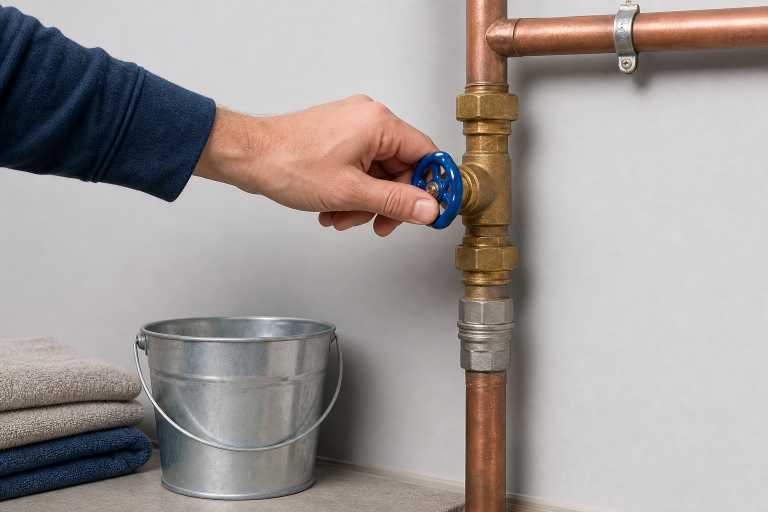
For a sink, toilet, dishwasher, washing machine, or similar fixture, look for a nearby shutoff valve. Sink valves are usually inside the cabinet, toilet valves are commonly behind or beside the bowl, and appliance valves may be behind the unit or in a laundry box. Turn the handle slowly clockwise. Do not force a valve that is stuck, corroded, or difficult to move, since it may break and create a larger leak.
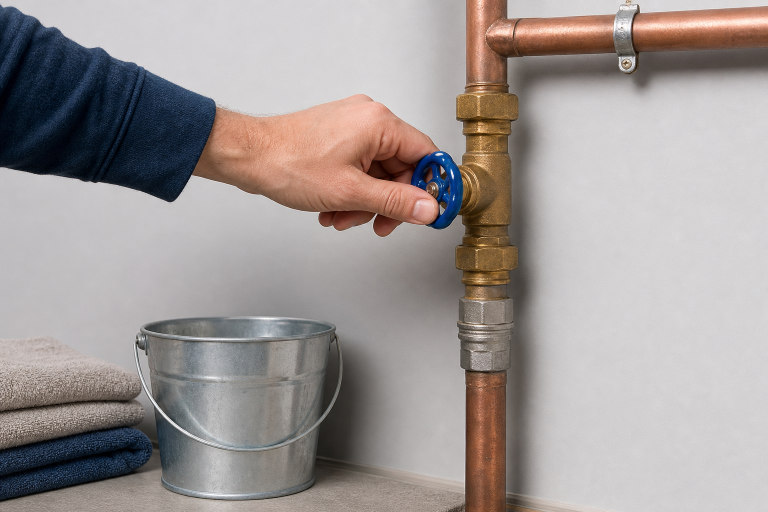
Use the main shutoff when water is flowing rapidly, the source is unclear, or a fixture valve does not stop the leak. Main valves are often located in a basement, utility room, garage, crawl space, or near the water meter. Some exterior meter valves require a special tool or assistance from the water utility. Find and test your home's shutoff valve before an emergency, then clearly label it for everyone in the household.
Call for urgent help if water cannot be stopped, a pipe has burst or frozen, wastewater is backing up into the home, water is reaching electrical equipment, or a gas line may be involved. Shut off water only when it can be done safely, move people away from the hazard, and contain water with towels or buckets if possible.
Schedule prompt service for several slow drains at once, unexplained damp walls or ceilings, major pressure changes, recurring toilet overflows, or a leaking or noisy water heater. These symptoms may point to a larger drain, supply, or appliance issue that will not reliably improve on its own.
A slow faucet drip, minor stain near an exposed connection, or a drain that occasionally slows may allow time for a scheduled repair. Still, do not ignore it. Household leaks can waste thousands of gallons of water each year, and hidden leaks can cause damage even when the visible flow seems small.
Place a bucket under the leak, close the fixture shutoff, and dry the area to see whether water is coming from a hose, connection, valve, or fixture body. Avoid overtightening fittings. Excess force can strip threads, crush seals, or crack a component.
If the bowl is rising, remove the tank lid and close the toilet supply valve. Use a flange plunger instead of flushing again. Do not mix drain chemicals or use multiple products in the bowl. Repeated toilet backups, especially with slow drains elsewhere, may indicate a larger blockage farther down the drain line.
Remove visible hair or debris from the drain cover, then use a plunger when appropriate. If several fixtures drain slowly, stop treating each drain as a separate clog. The issue may be in a shared line. Chemical drain cleaners can damage certain piping and pose a hazard to anyone who later opens the drain for repair.
Keep clear of hot water, steam, and damaged wiring. If the tank is leaking, shut off its water supply if you can reach the valve safely. Turn off the fuel or power source only if the controls are accessible without entering a hazardous area. A leaking tank often signals corrosion and may require replacement rather than a simple part repair.
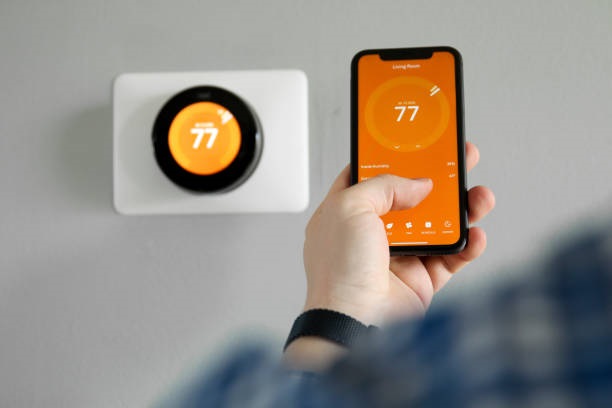
Moisture sensors work well near water heaters, washing machines, sinks, and basement plumbing. Whole-home flow monitors can identify unusual water use and may alert homeowners to a possible leak. The EPA provides useful guidance on leak detection and flow-monitoring devices, including the difference between moisture-based sensors and water-flow monitoring systems.
Build prevention into each season. In spring, inspect outdoor faucets and look under sinks. In summer, check irrigation lines and appliance hoses. In the fall, locate the main shutoff and protect exposed pipes before freezing weather sets in. In winter, keep vulnerable areas warm, open sink cabinets when needed for airflow, and act quickly if a faucet slows or stops during a freeze.
The right response to a plumbing emergency is simple: stay safe, stop the water, assess the risk, and gather useful details. Some minor fixture issues can wait until scheduled service, but active leaks, sewage, water near electrical equipment, and sudden pressure problems deserve immediate attention. A basic emergency kit, labeled shutoff valves, and regular inspections can make a stressful situation far easier to manage.

Ameer Hamza is a versatile content creator with a strong interest in researching and writing on a wide range of topics. His work spans technology, business, health, travel, lifestyle, education, entertainment, finance, and digital trends. He focuses on transforming complex information into clear, engaging, and easy-to-understand content that provides practical value to readers. By relying on credible sources and thorough research, Ameer strives to produce accurate, informative, and up-to-date articles that help readers stay informed and make better decisions.