Choosing replacement windows in Denver is about more than updating your home's appearance. The right combination of glass, frame material, operating style, and installation can make rooms more comfortable through snowy winters, hot sunny afternoons, and fast temperature changes. Homeowners comparing Denver vinyl windows should look beyond a basic price quote and consider how each product will perform in the specific rooms where it is installed.
A window that works well in a shaded north-facing living room may not be the best solution for a west-facing bedroom that overheats every afternoon. By understanding the main performance factors before requesting estimates, you can choose windows that support comfort, energy efficiency, natural light, and long-term durability.
Denver homes deal with cold winter nights, intense high-altitude sunlight, dry air, wind, snow, hail, and sudden weather swings. Older windows or worn seals can allow drafts that make rooms feel unevenly heated. Strong sunlight can also raise indoor temperatures and contribute to fading on flooring, artwork, and furniture. The best choice depends on the home's age, window orientation, surrounding shade, existing frame condition, and how each room is used.
For example, a west-facing bedroom may be comfortable in the morning but uncomfortably warm by late afternoon. That room may benefit from better solar control, while a north-facing room may need the strongest practical insulation value to reduce heat loss.
Window labels make it easier to compare products on performance rather than appearance alone. Start with the full NFRC label and review several ratings together. U-factor measures how readily a complete window transfers heat, so lower numbers generally indicate better insulation. Solar Heat Gain Coefficient, or SHGC, measures how much solar heat passes through the window. Lower SHGC means less unwanted solar heat, while a higher SHGC can be useful where winter sun is desirable.
Visible Transmittance indicates how much natural light enters the room. Air leakage ratings show how much air can pass through the window assembly, and lower ratings can help reduce drafts. The ENERGY STAR window guidelines can help homeowners compare certified products intended for their climate conditions.
Double-pane windows use two panes of glass separated by an insulated space. Triple-pane windows add a third pane and another insulating space, which can improve thermal performance and often reduce outside noise. Low-E coatings help manage radiant heat and sunlight, while argon or krypton gas between panes slows heat transfer.
Triple-pane glass can make sense for especially cold rooms, exposed homes, noisy streets, or homeowners seeking the best available insulation. However, a high-quality double-pane window with the right Low-E coating, gas fill, frame, and installation can be a sensible choice for many Denver homes. Compare complete window ratings instead of choosing based on pane count alone.
Select a frame based on the home's architecture, maintenance preferences, budget, and exposure to weather. The glass and frame should always be evaluated as one complete system.
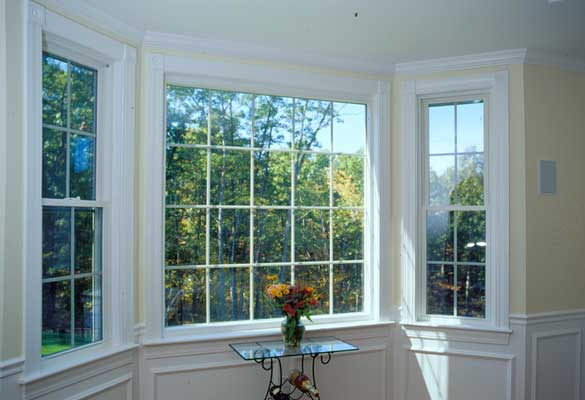
Window operation affects ventilation, cleaning, safety, and air sealing. Fixed or picture windows provide wide views and strong sealing because they do not open. Casement windows can offer effective ventilation and a tight closing seal. Awning windows are useful for ventilation during light rain. Double-hung windows are familiar, flexible, and often easy to clean, while sliding windows are practical for wide openings but rely on well-maintained tracks and seals.
The most efficient style is not necessarily the best choice for every room. A fixed window may suit a view wall, while an operable window may be more valuable in a kitchen, bedroom, or bathroom.
Different sides of a home can benefit from different strategies. South-facing windows may capture useful winter sunlight but need thoughtful summer shading. West-facing windows often need stronger solar control because they receive intense late-day sun. East-facing windows can create morning glare, while north-facing windows receive less direct sunlight and typically benefit from a low U-factor.
Shades, exterior screens, roof overhangs, and deciduous trees can support window performance. Before comparing products, use the ENERGY STAR Climate Zone Finder to identify the applicable product-comparison zone for your location.
Even a high-performing window can underperform when the opening is poorly prepared. A careful installation should include inspecting for rot, water damage, movement, or uneven framing; measuring accurately; using proper flashing and weather-resistant barriers; insulating without overfilling gaps; applying compatible sealants; and testing each window before the project is complete.
Poor installation can lead to drafts, moisture problems, stuck sashes, water intrusion, and reduced energy performance. Ask for written information about installation methods, workmanship coverage, and who will address issues discovered around trim, siding, stucco, or brick.
Not every issue requires full replacement. Weatherstripping, caulking, storm windows, shades, or glass repair may help when frames remain sound. Full replacement is more likely when there is structural damage, failed seals, or repeated operating problems.
Not always. Triple-pane products can improve insulation and sound control, but a well-built double-pane window may provide strong performance at a more practical cost.
The right target depends on window size, orientation, product type, budget, and applicable climate-zone requirements. Compare certified full-window ratings rather than relying on a single number.
No. Different rooms may require different glass packages, styles, or solar-control priorities based on sun exposure, ventilation needs, noise, and architectural design.
The best replacement windows balance glass performance, frame material, room use, sun exposure, installation quality, and budget. A carefully selected system can make a Denver home more comfortable in every season, while helping homeowners manage drafts, glare, heat gain, and heat loss with confidence.

Ameer Hamza is a versatile content creator with a strong interest in researching and writing on a wide range of topics. His work spans technology, business, health, travel, lifestyle, education, entertainment, finance, and digital trends. He focuses on transforming complex information into clear, engaging, and easy-to-understand content that provides practical value to readers. By relying on credible sources and thorough research, Ameer strives to produce accurate, informative, and up-to-date articles that help readers stay informed and make better decisions.