Texas is in the midst of a dramatic transformation in its residential real estate sector, and neighborhoods across the state are feeling the effects. With more buyers seeking out flexible housing options and new market dynamics influencing demand, understanding these evolving trends is key for homeowners, prospective buyers, and investors. For those interested in the latest trends and personalized guidance, www.cimarealestatetx.com offers a valuable resource to navigate these changes.
Not only are more residents migrating to suburban and exurban settings, but the very structure and makeup of communities are changing, reflecting a growing emphasis on affordability, space, and updated amenities. As metro centers respond to these dynamics, cities across Texas are reshaping policies, development models, and neighborhood offerings to fit the state’s shifting demographics and economic realities.
The increase in remote work, advances in infrastructure, and migration patterns are further influencing the appeal of communities outside traditional urban cores. These shifts also impact everything from property values to local economies, making it more important than ever to stay informed on current trends.
For buyers exploring non-traditional paths to homeownership, particularly those seeking financing alternatives, the Texas market is seeing an uptick in interest in Owner Finance Homes for Sale as a practical solution.
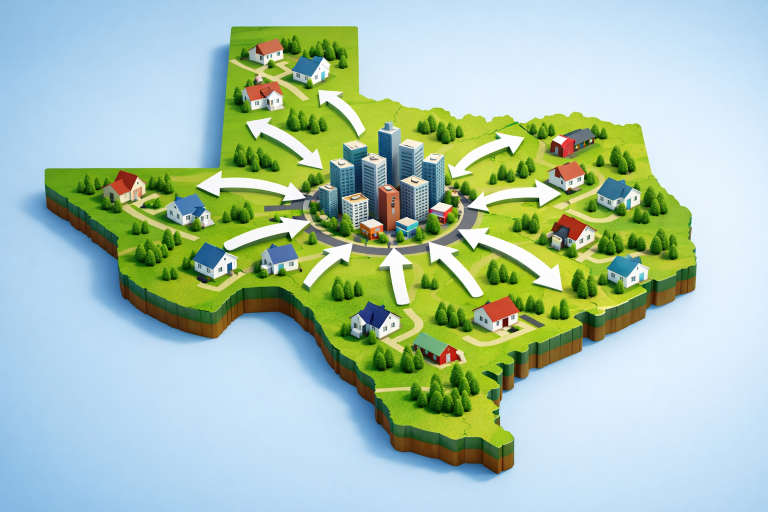
Texas suburban and exurban communities are in the spotlight, attracting new residents at record rates. Cities such as Celina, which posted a remarkable 24.6 percent growth in just one year, and others like Georgetown and Leander, increasing by more than 50 percent since 2020, indicate an ongoing trend of population shifts away from dense urban cores. This movement is largely driven by demand for greater home affordability, more living space, and enhanced lifestyle flexibility. The Dallas-Fort Worth suburban ring, for example, is now experiencing faster population growth than the central city itself, a trend underscored by U.S. Census data.
This exodus from urban centers marks more than just a change in addresses. It signals a redefinition of what Texans consider the ideal living environment, now influenced by shifts in work patterns and consumer preferences.
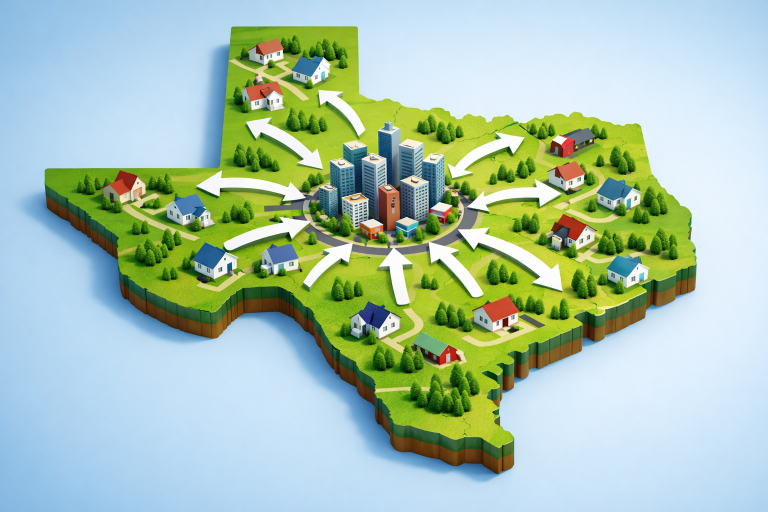
In Texas’s largest cities, the so-called "donut effect" has spurred both challenges and opportunities. As residents, office jobs, and retail move from city centers to the suburban and exurban rings, downtown areas are struggling to regain pre-pandemic momentum. Take Austin as a case in point: despite efforts to revitalize downtown, foot traffic still lags behind 2019 levels at under 75 percent of previous activity, leading policymakers to adopt changes like requiring city employees to spend at least half their work time in office settings. The surrounding I-35 corridor cities—like Buda and Kyle—are benefiting most from this growth.
Urban planning experts point to the ways cities are rethinking zoning, transportation, and policing policies to foster mixed-use neighborhoods and greater access to amenities. These actions aim not only to draw residents back to urban cores but also to revitalize economic activity, reflecting a national trend observed by researchers and chronicled by The Wall Street Journal.
Texas’s real estate environment has entered one of its most dynamic periods in decades. Following pandemic-fueled demand, the state has seen notable price increases combined with fluctuations in home sales and new construction. While Texas home prices remain stable, the rate of increase in regions like the Northeast and Midwest now outpaces the Lone Star State due to restricted new builds in those areas. In North Texas, home sales are expected to be down by 5.4 percent year over year, even while median sales prices rise by nearly 2 percent.
The result is a shifting career outlook in real estate, with many who entered the industry during the pandemic now reevaluating their prospects. Industry reports highlight how these broader market trends influence not only individual neighborhoods but also the real estate profession statewide.
The pivot toward more affordable homes and suburban lifestyles continues to reshape Texas’s housing market. Heightened demand in the suburbs and exurbs has prompted new construction and increased property values in these regions. In response, metro centers are investing in mixed-use and amenity-rich developments to drive a renewed interest in urban living. Builders and developers are prioritizing affordability, quality of life, and access to green spaces, responding to buyer demands for space without sacrificing convenience.
This dynamic interplay is producing a diverse real estate market. Savvy buyers and investors will want to analyze these trends closely to identify both risks and opportunities as Texas presents a spectrum of housing options to suit nearly every lifestyle and budget.
With ongoing population surges and robust economic projections, the residential real estate landscape in Texas will remain in a state of evolution. The continued rise of remote work, coupled with infrastructure expansion, signals a promising future for outlying communities as places of growth and innovation. Urban leaders are also likely to expand investments in transportation, livability, and cultural assets to keep downtown areas viable and attractive to younger generations and professionals returning to workspaces.
For those engaged in buying, selling, or investing, keeping pace with these rapid changes is indispensable. Whether the goal is to capitalize on booming exurban markets or participate in the revitalization of core city neighborhoods, the key will be to stay adaptable, informed, and attuned to what shapes the Texas of tomorrow.

Ameer Hamza is a versatile content creator with a strong interest in researching and writing on a wide range of topics. His work spans technology, business, health, travel, lifestyle, education, entertainment, finance, and digital trends. He focuses on transforming complex information into clear, engaging, and easy-to-understand content that provides practical value to readers. By relying on credible sources and thorough research, Ameer strives to produce accurate, informative, and up-to-date articles that help readers stay informed and make better decisions.