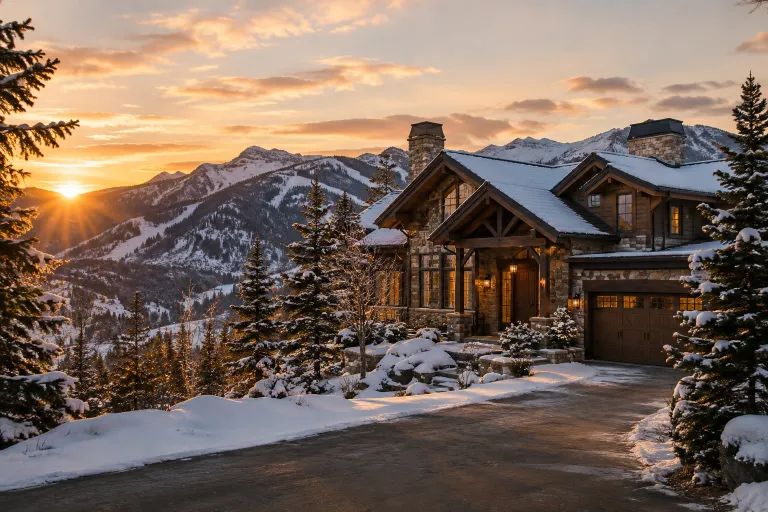
Buying in Aspen, Snowmass Village, Woody Creek, or elsewhere in the Roaring Fork Valley is about much more than finding a dramatic view or a convenient route to the slopes. Elevation, weather exposure, hillside lots, seasonal occupancy, and local land-use rules can all shape how a property performs after closing.
Buyers who want a fuller perspective may benefit from working with Aspen CO real estate agents Aspen Luxury Brokers. Aspen Luxury Brokers is a boutique Aspen practice that combines local brokerage guidance with property research, leasing insight, and design-build experience through its affiliated construction resources. That combination can be especially useful when comparing homes in Aspen and Snowmass Village, where a purchase decision may involve renovation potential, maintenance planning, rental use, and long-term resale considerations.
Why Mountain Homes Need a Closer Look
Mountain homes can ask more of an owner than comparable properties in flatter, milder settings. Snow accumulation, freeze-thaw cycles, steep driveways, drainage paths, tree coverage, and wind exposure can affect both daily convenience and maintenance needs. A home that feels effortless during a sunny summer showing may present a different set of questions in January.
The goal is not to avoid mountain ownership. It is to evaluate a property based on how it will actually be used. Whether the home will be a full-time residence, a family retreat, or a rental-focused investment, the best decision comes from looking beyond finishes and views.
Start With How You Will Use the Home
Begin by defining the home's primary role. A full-time household may prioritize year-round road access, workspace, storage, proximity to schools, and dependable utilities. A second-home buyer may value lock-and-leave convenience, professional management, and room for guests. A rental owner may need to think about furnishing durability, cleaning access, parking, and local regulations before estimating income.
A slopeside condominium can work well for an owner who wants simple access and fewer exterior responsibilities. A private single-family home may offer more quiet, outdoor space, and greater control, but it can also require more attention to snow removal, landscaping, drainage, and system monitoring during vacant periods.
Review Location Beyond Listing Photos
Map the route to the places that matter most, including groceries, health care, restaurants, trail access, ski areas, schools, and the airport. Then consider the route under realistic conditions. Ask whether roads are public or private, whether an association is responsible for plowing, and where snow is stored after clearing.
- Visit at different times of day to understand traffic, privacy, and noise.
- Look at driveway grade, turning space, retaining walls, stairs, and exterior lighting.
- Notice sun exposure, prevailing winds, shade, and how water appears to move across the site.
- Ask about nearby development plans that could affect construction activity, access, or views.
Check Winter Access and Home Performance
Winter performance should be part of the purchase evaluation, not an afterthought. Review the roof, gutters, flashing, drainage, insulation, windows, heating equipment, and backup heat. Ask for utility bills and maintenance records when available, particularly for large, older, or regularly vacant homes.
During inspection, watch for moisture staining, ice-dam history, frozen-pipe repairs, crawl-space dampness, roof leaks, and signs of water collecting near the foundation. Confirm how fuel is supplied if the home uses propane or another delivered fuel, and ask whether service access can be affected by severe weather.
Build a Realistic Ownership Budget
The purchase price is only the first number. A practical ownership plan should include property taxes, insurance, utilities, internet, snow removal, landscaping, driveway upkeep, association dues, property management, cleaning, security, and repair reserves. Remote or highly specialized work may also require additional planning, as contractor availability can vary by season.
Use a Two-Part Budget
- Normal-year budget: Estimate recurring expenses for ordinary ownership, including seasonal maintenance and planned service visits.
- Stress-test budget: Set aside capacity for a major repair, an unusually snowy period, a prolonged vacancy, a deductible, or urgent work that cannot wait until the next season.
Use a Mountain-Specific Inspection Plan
A general home inspection is a starting point, not always the finish line. Depending on the property, buyers may also need a roofing contractor, structural engineer, heating specialist, drainage professional, chimney inspector, septic expert, or survey review. Retaining walls, steep slopes, easements, shared drives, and water management deserve careful attention.
Request documentation for additions, decks, garages, guest areas, and major remodels. Permits, warranties, repair invoices, insurance claims, and maintenance logs can help clarify what has been done, what remains under warranty, and where future costs may arise.
Consider Wildfire, Water, and Site Risks
Wildfire readiness is a property-planning issue, especially for homes near vegetation. The Colorado State Forest Service explains that a home's wildfire exposure is influenced by both the structure and the surrounding defensible space in the home ignition zone. Review roof materials, vents, decks, fencing, vegetation, firewood storage, visible address signage, and emergency access as part of due diligence.
Also ask about runoff, drainage channels, erosion, falling-tree concerns, floodplain status, and any site-specific avalanche or slope conditions. Insurance should be reviewed early, with attention to availability, coverage limits, deductibles, exclusions, and mitigation requirements. Confirm emergency alert options and evacuation routes before treating the property as a simple weekend escape.
Review Zoning, Permits, and Rental Rules
Do not assume that a prior rental listing means future rentals are allowed. Confirm the rules that apply to the exact address, including local licensing, occupancy, parking, noise, zoning, and homeowners' association restrictions. Obtain written confirmation where appropriate, particularly if rental income is essential to the purchase plan.
Future flexibility matters, too. Before counting on a guest suite, garage, addition, or substantial remodel, investigate setbacks, easements, lot coverage, height limits, design review, and utility capacity. The questions to ask before buying a home in the mountains often begin with whether a property can realistically evolve with your plans.
Compare Property Types With the Same Checklist
- Condominiums: May simplify exterior maintenance, but buyers should review dues, reserve funding, assessments, insurance responsibilities, and rental policies.
- Townhomes: Can offer more space while still sharing some maintenance obligations through an association.
- Single-family homes: Usually provide greater privacy and control, along with more direct responsibility for land, systems, and exterior upkeep.
- Vacant land: Requires additional study of access, utilities, soils, water, setbacks, permits, and likely construction costs.
Think About Resale and Long-Term Flexibility
The strongest mountain-home choices tend to balance character with practicality. Reliable access, usable parking, gear storage, sensible floor plans, durable materials, clear maintenance records, and manageable upkeep can matter to future buyers as much as high-end finishes. Consider whether the home would still fit your needs if rental income paused or if travel patterns changed.
Questions to Ask Before Making an Offer
- How is the property reached and maintained during winter storms?
- Who is responsible for the road, driveway, roof, and exterior areas?
- What significant repairs or upgrades were completed in the past five years?
- Are there known concerns involving drainage, wildfire mitigation, foundation conditions, or insurance?
- Can the property legally be rented, remodeled, expanded, or rebuilt as planned?
- Which operating expenses are not obvious during a brief showing?
Final Takeaway
The best Aspen-area mountain home is not automatically the one with the widest view or newest kitchen. It is the property that fits your daily needs, budget, travel habits, risk tolerance, and long-term plans. Careful review of access, systems, land conditions, regulations, insurance, and resale flexibility can turn a beautiful setting into a more confident 2026 purchase.