Expanding a home does not always require loud construction, long timelines, or major structural changes. Many homeowners want more usable space but prefer solutions that work within the existing layout. With thoughtful planning and creative thinking, it is possible to add function, comfort, and flexibility without major renovations.
Small adjustments, smart layouts, and multi-use areas can completely change how a home feels and works. These ideas focus on making the most of what is already available while keeping the process simple and manageable.
Making the Most of Outdoor Areas for Everyday Living
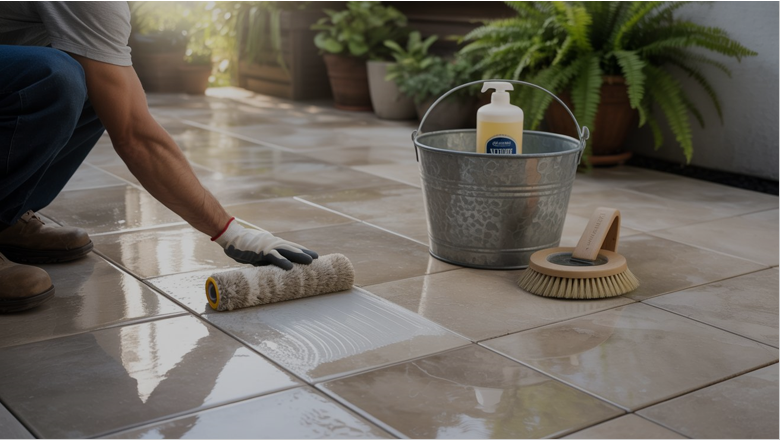
Outdoor spaces are often overlooked, yet they hold strong potential for expansion without altering the main structure of a home. A patio, yard, or unused side area can become a natural extension of indoor living. Simple additions such as weather-friendly flooring, shade features, or seating can turn these areas into functional rooms for daily use.
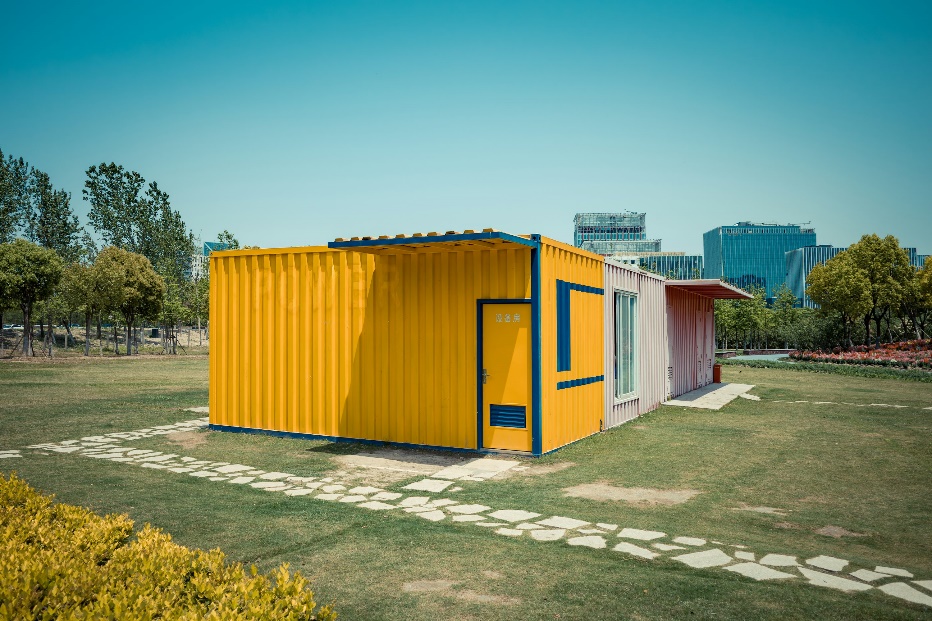
Some homeowners explore creative structures or storage solutions and may choose to buy shipping containers as a flexible option for adding usable space outdoors without altering the main building. These structures are strong, adaptable, and easy to customize, making them suitable for a wide range of everyday uses. Their compact form helps maximize outdoor areas while keeping the main home undisturbed. When designed carefully, outdoor living areas can serve as workspaces, relaxation zones, or hobby rooms while maintaining a strong connection to the home.
Turning Underused Rooms into Multi-Purpose Spaces
Many homes already have rooms that are rarely used or not clearly defined. A guest room, dining area, or large hallway can be reimagined to serve more than one purpose. A spare room can double as a home office during the day and a sleeping area when needed. A dining space can include a reading corner or craft area. This approach requires thoughtful furniture choices and clear organization, but it avoids the need for new walls or extensions. By allowing one room to serve several roles, homeowners gain flexibility without major changes.
Thoughtful zoning within the room helps each function feel intentional without overcrowding the space. Simple visual cues, such as lighting placement or furniture arrangement, can clearly define each use while keeping the room open and adaptable..
Creating Storage That Also Adds Function
Clutter often makes a home feel smaller than it truly is. Adding smart storage can instantly improve how much space feels available. Built-in shelves, window seating with hidden storage, or wall-mounted cabinets can hold belongings while also serving another purpose. Storage benches can offer seating, and shelving units can act as room dividers. These ideas help free up floor space and make rooms feel more open. Functional storage solutions support daily routines and make every area feel intentional.
Choosing storage elements that blend with the existing design keeps the space feeling balanced and uncluttered. When storage serves a daily purpose, it becomes part of the living experience rather than an added feature.
Using Vertical Space to Expand Living Areas
When floor space is limited, looking upward can reveal new possibilities. Vertical space is often underused, especially in rooms with higher ceilings. Tall shelving, hanging storage, or loft-style sleeping areas can add function without changing the footprint of a room. Even in standard height rooms, wall-mounted desks or fold-down tables can create usable space when needed and disappear when not in use. By thinking vertically, homeowners can add capacity and comfort without expanding outward.
Wall-mounted elements help keep floors clear, which improves movement and visual openness. Using the height of a room thoughtfully allows everyday activities to fit comfortably without making the space feel crowded.
Improving Flow With Open Layout Adjustments
Sometimes a home feels cramped, not because of its size but because of how rooms connect. Removing visual barriers rather than structural ones can improve flow and make spaces feel larger. Using furniture placement, rugs, or lighting to define areas can replace the need for walls. Doorways can be widened visually with color or trim choices, and heavy doors can be replaced with lighter options or left open when possible. These small changes can make movement through the home easier and create the feeling of added space.
Making Entryways Work Harder
Entryways are often treated as simple pass-through areas, but they can offer valuable functionality. Adding seating, storage, or hooks can turn an entry into a practical zone for daily routines. A small desk or shelf can create a drop zone for keys and mail, while mirrors can make the area feel larger and brighter. By making entry spaces more useful, other rooms can remain uncluttered and open.
Well-organized entryways set the tone for the rest of the home by reducing daily clutter at the door. When designed with intention, this space supports smoother routines and a more welcoming feel.
Adapting Furniture for Flexible Living
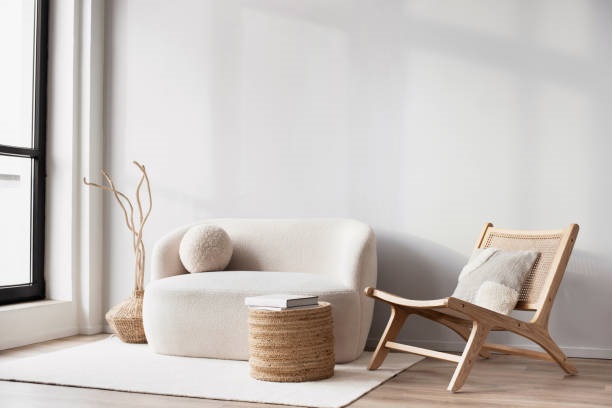
Furniture plays a key role in expanding how a home is used. Pieces that can be folded, stacked, or moved easily allow rooms to change purpose throughout the day. A table that folds away can free up floor space, while seating that doubles as storage reduces clutter.
Choosing furniture that fits the scale of a room also helps maintain balance and openness. Flexible furniture supports changing needs without requiring permanent changes to the home.
Enhancing Light to Create a Sense of Space
Light has a powerful effect on how large a space feels. Improving natural light through window treatments or reflective surfaces can make rooms feel more open. Mirrors placed thoughtfully can reflect light and visually extend a room. Soft, layered lighting can also reduce shadows and create depth. These changes do not alter the structure but can dramatically improve the sense of space and comfort.
Expanding a home without major renovations is about seeing potential where it already exists. By rethinking outdoor areas, making rooms serve multiple purposes, using vertical space, and improving flow, homeowners can enjoy more function and comfort.
These ideas focus on thoughtful design rather than construction, allowing homes to grow in ways that feel natural and manageable. With careful choices and creativity, it is possible to achieve meaningful expansion while keeping the home intact and welcoming.

This post has been published by the admin of our website, responsible for content management, quality checks, and providing valuable information to our users.