A garden is more than just an outdoor area. It is a place where you can relax, spend time with family, enjoy fresh air, and entertain guests during the warmer months. However, keeping a garden tidy can sometimes be a challenge. Garden tools, cushions, toys, and other outdoor items can quickly create clutter if they do not have a proper place to be stored.
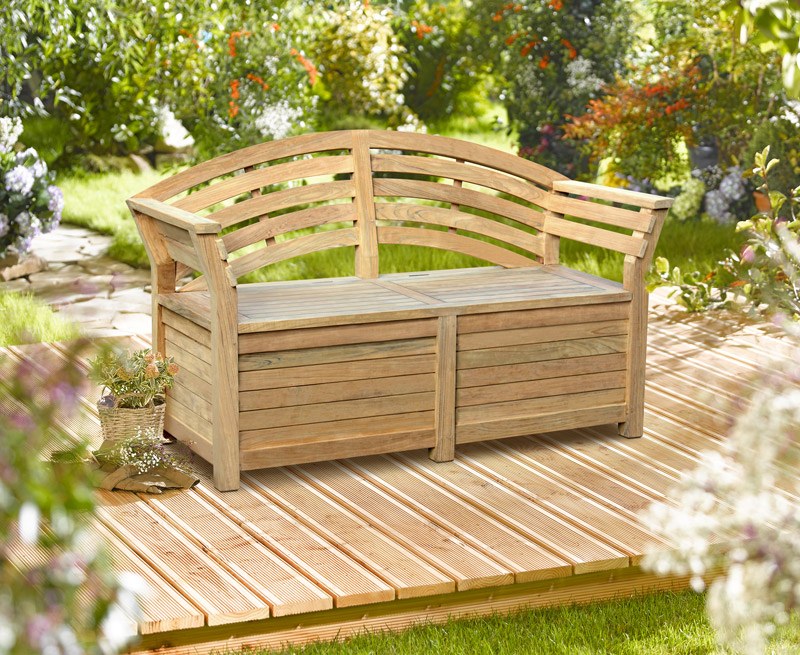
This is where a garden storage bench can make a big difference. A garden storage bench provides comfortable seating while also offering valuable storage space for your outdoor belongings. It combines style, practicality, and convenience in one piece of furniture.
With so many options available, choosing the right garden storage bench can feel overwhelming. This guide will help you understand what to look for so you can find the perfect storage bench for your outdoor space.
Before buying a garden storage bench, it is important to think about the size of your outdoor area.
If you have a small garden, patio, or balcony, a compact storage bench may be the best option. A large bench in a small space can make the area feel crowded and uncomfortable.
For larger gardens, you may have more flexibility to choose a bigger bench with additional storage capacity. Measure the available space before making a purchase so you can be confident that the bench will fit comfortably without blocking walkways or other garden features.
Not all storage benches offer the same amount of storage space. Before choosing one, consider what items you plan to keep inside.
Some homeowners use their garden storage bench to store:
If you only need storage for a few small items, a compact bench may be sufficient. However, if you need to store larger items such as seat cushions or multiple gardening tools, look for a bench with a deeper storage compartment.
The material of your garden storage bench plays an important role in both appearance and durability.
Wooden benches are popular because they offer a natural and traditional look. They blend beautifully with plants, flowers, and other garden features.
Benefits of wooden benches include:
However, wooden benches may require regular maintenance, such as staining or sealing, to protect them from the UK's changing weather conditions.
Plastic benches are lightweight, affordable, and easy to maintain.
Advantages include:
They are often a practical choice for homeowners who want a simple storage solution without ongoing upkeep.
Metal benches can provide a modern and elegant appearance.
Benefits include:
However, some metal benches may require protection against rust if they are exposed to rain and moisture for long periods.
The British weather can be unpredictable. Rain, wind, frost, and strong sunlight can all affect outdoor furniture.
When choosing a garden storage bench, make sure it is designed to withstand outdoor conditions. Weather-resistant materials can help protect both the bench and the items stored inside.
Features worth considering include:
A weather-resistant bench can provide better value and last much longer.
Since a garden storage bench also functions as seating, comfort should not be overlooked.
Think about how often the bench will be used. If you regularly sit in your garden to relax, read, or enjoy a cup of tea, choose a bench with a comfortable design.
Some benches feature:
Comfortable seating can make your outdoor space much more enjoyable throughout the year.
A garden storage bench should complement the overall appearance of your outdoor space.
For traditional British gardens, wooden benches often work well because they create a classic and welcoming look.
For modern gardens, sleek metal or contemporary plastic designs may be more suitable.
Consider the colours, materials, and overall design of your existing garden furniture to ensure everything works together nicely.
If you plan to store valuable gardening equipment or outdoor accessories, security may be important.
Some garden storage benches come with lockable lids or fittings that allow a padlock to be attached. These features can provide additional peace of mind, particularly if the bench is located in an open garden area.
While not essential for every homeowner, security features can be useful in certain situations.
Different materials require different levels of maintenance.
Wooden benches often need occasional treatment to maintain their appearance and protect them from moisture.
Plastic benches generally require very little maintenance beyond occasional cleaning.
Metal benches may need periodic checks to ensure they remain free from rust or corrosion.
Consider how much time and effort you are willing to spend maintaining your furniture before making a decision.
Garden storage benches are available at various price points.
While it can be tempting to choose the cheapest option, investing in a higher-quality bench may save money in the long run. A durable bench can withstand years of outdoor use and provide better value over time.
Consider the balance between quality, durability, storage capacity, and price when comparing different options.
Before purchasing a garden storage bench, take some time to read customer reviews.
Reviews can provide useful information about:
Feedback from other buyers can help you make a more informed decision and avoid potential disappointments.
Choosing the perfect garden storage bench involves more than simply picking a design you like. You should consider the size of your garden, the amount of storage you need, the material, weather resistance, comfort, and overall style.
A well-chosen garden storage bench can help keep your outdoor space tidy while providing a comfortable place to sit and relax. It can store everyday garden items, reduce clutter, and enhance the appearance of your garden at the same time.
By taking the time to consider your needs and compare different options, you can find a garden storage bench that serves your family well for many years to come.

Andre Wolivertorress has a keen interest in garden decoration, landscaping, and outdoor living. He enjoys exploring creative ways to transform gardens, patios, and backyards into beautiful and functional spaces. His articles cover topics such as landscape design, plant selection, seasonal gardening, outdoor furniture, lawn maintenance, and decorative ideas for every type of outdoor area. Through well-researched and practical content, Andre helps readers create inviting gardens that are both visually appealing and easy to maintain.