School season used to mean pencils, lunchboxes, and maybe one soccer practice during the week. Now it feels like every child somehow has a corporate-level schedule before turning twelve. Homework portals update constantly, group chats never stop buzzing, activities overlap, and parents are somehow expected to remember spirit week themes at 10 p.m. on a Wednesday. Wellness routines usually are not destroyed by one huge problem during the school year. They get replaced by convenience. Sleep gets pushed later. Breakfast becomes whatever fits in one hand. Kids start functioning on autopilot because everybody is trying to survive the week instead of actually settling into it.
Families in places like Tribeca feel this pressure hard because daily life already moves fast before school routines even enter the picture. Kids bounce between classrooms, activities, tutoring, crowded sidewalks, and packed afternoons while parents juggle work calls between pickups.
One thing that completely disappears during school season is flexibility. A random free afternoon in October somehow turns into parent-teacher conferences, piano lessons, field trips, birthday dinners, and three unread emails asking somebody to bring snacks for Friday. That’s exactly why preventive wellness appointments get delayed over and over until suddenly it is spring and everybody wonders how the calendar got so chaotic.
A lot of parents now try to lock wellness appointments in early before the year becomes nonstop. Dental visits especially get pushed aside because they seem easy to “reschedule later,” but later usually becomes much harder once activities and deadlines pile up. Families in busy neighborhoods often prefer places like Tribeca Dental Studio 4 kids because shorter appointments matter during packed school seasons. Parents want healthcare routines that fit realistically into family life without turning an ordinary weekday into complete chaos. You can explore more about our Tribeca practice and mission here.
School mornings can turn weirdly chaotic in less than five minutes. Somebody cannot find sneakers. Somebody forgot their homework. A water bottle leaks inside a backpack. Meanwhile, a parent is trying to answer work messages while half awake and standing beside a toaster. Breakfast usually becomes whatever can happen the fastest, which explains why so many kids walk into school functioning mostly on packaged snacks and caffeine disguised as chocolate milk.
A lot of families are simplifying breakfast heavily now because complicated “healthy morning routines” simply do not survive real school mornings. Parents are leaning into repeatable systems instead. Freezer breakfast sandwiches. Protein waffles. Yogurt bowls are already prepped in jars. Smoothie packs waiting in the freezer. Some households even create “grab zones” in the fridge because mornings move better once kids stop opening every cabinet dramatically at 7 a.m.
The after-school window is honestly one of the messiest parts of the entire day. Kids come home starving, overstimulated, tired, and somehow emotionally dramatic all at once. That is usually the exact moment somebody starts digging through cabinets looking for chips while another child melts down because dinner is “too far away.” Parents often focus so much on dinner planning that they completely underestimate how important those first twenty minutes after school actually are for energy and mood.
Families are getting smarter about this now by treating after-school snacks almost like part of the daily routine instead of random grazing time. Easy snack bins, protein snacks already portioned out, fruit cut ahead of time, cheese sticks at eye level, smoothies ready in the fridge, all these tiny systems suddenly matter a lot once everybody walks through the door exhausted.
Kids already spend most of the day sitting in structured environments surrounded by noise, instructions, deadlines, and constant stimulation. Then they come home and try to finish homework while the TV runs in the background, somebody cooks dinner loudly nearby, notifications keep buzzing, and backpacks explode across the dining table. It is not surprising that so many children end up frustrated before homework even really starts. Sometimes the issue is not the assignment itself. The environment already feels mentally crowded.
Parents are paying much more attention now to creating homework spaces that actually feel calmer instead of just functional. Not perfect Pinterest study corners. Just spaces where kids can breathe mentally for a second. Some families use noise-canceling headphones. Others create low-lighting corners, small desk setups, or even “quiet hour” routines where everybody lowers distractions briefly after school. Kids are constantly absorbing stimulation during busy school seasons, especially once screens, notifications, activities, and packed schedules all pile together daily.
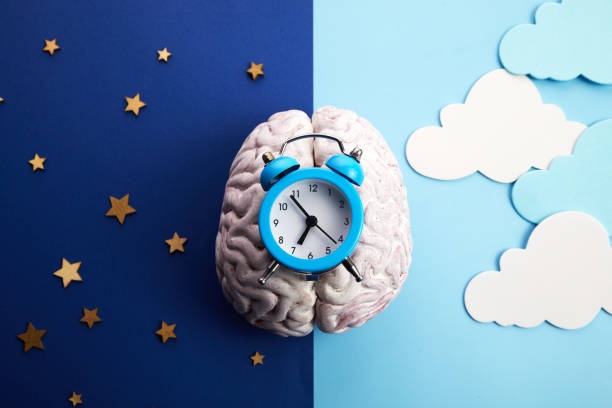
Sleep routines usually collapse quietly during the school year. Nobody decides intentionally to ruin bedtime schedules. It just happens little by little. Homework runs late. Activities push dinner later. Kids want downtime after packed days. Parents feel guilty saying no to extra screen time because everybody is exhausted. Suddenly, bedtime drifts an hour later than intended, and mornings become complete chaos because nobody got enough rest to begin with.
Parents are paying much more attention to stable weekday sleep now because tired kids rarely look “sleepy” anymore. They often look emotional, distracted, overstimulated, or unable to focus instead. Some children start struggling with school mornings simply because their brains never really recovered from the previous day fully. Consistent bedtime systems matter because kids need recovery time from packed schedules just as much as adults do.
Tiny organizational problems somehow become giant emotional disasters during school mornings. Missing homework, lost chargers, unfinished permission slips, unmatched shoes, dead tablets, empty water bottles — school chaos often starts before anybody even leaves the house. What makes it worse is that rushed mornings tend to shape the mood of the entire day afterward. Kids leave already stressed, parents start work irritated, and everybody feels behind before breakfast is even finished properly.
Families are simplifying mornings now by removing as many last-minute decisions as possible. Backpacks are packed the night before. Shoes are stored in the same place daily. Water bottles are already filled. Chargers connected consistently. Some households even create “launch zones” near the door because mornings move differently once everybody stops scrambling for random items under pressure. Such small systems matter because school seasons already drain enough mental energy during the day. Reducing preventable chaos at home helps children start mornings feeling calmer instead of immediately overwhelmed before the first period even begins.
Busy school seasons can wear down childhood wellness routines when every week starts feeling rushed, overstimulated, and overloaded. Families are realizing that keeping children healthy during the school year often comes down to protecting smaller everyday habits before they disappear completely under packed schedules.

This post has been published by the admin of our website, responsible for content management, quality checks, and providing valuable information to our users.