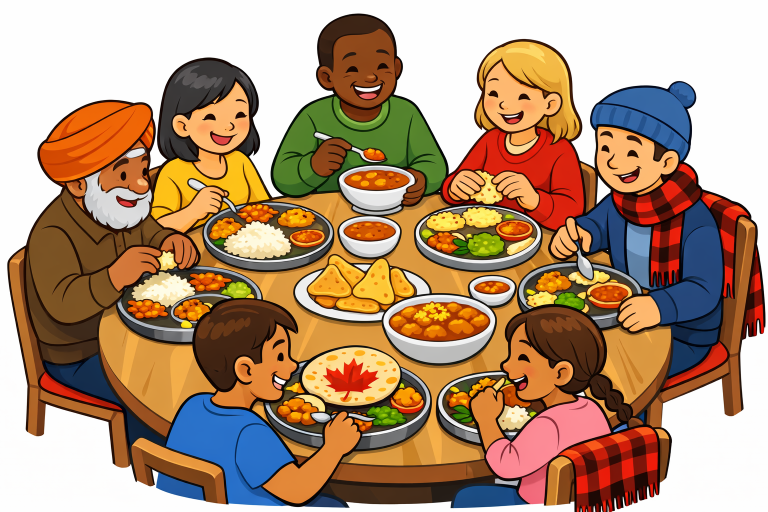
Indian cuisine has long been celebrated for its rich flavors and diverse dishes, attracting food lovers globally. As its popularity rises in Canada, both newcomers and seasoned enthusiasts can deepen their appreciation for the cuisine by understanding traditional dining etiquette and observing contemporary trends. For those seeking a true taste of India’s diverse offerings, it is worthwhile to explore an authentic Indian cuisine restaurant specializing in Amritsari Kulcha, where the interplay of customs and modernity can be experienced firsthand.
Dining in Indian tradition is more than just tasting flavorful dishes. It is an expression of culture, respect, and connectivity. With an increasing number of Indian restaurants across Canadian cities, recognizing these cultural nuances helps diners foster meaningful dining experiences that go beyond just good food.
The roots of Indian dining etiquette run deep, shaped by cultural and religious practices passed down over generations. Traditionally, Indian meals are served family-style. All dishes are placed at the center of the table and shared by everyone, which cultivates a sense of unity and togetherness. Diners typically eat with their right hand because the left hand is considered unclean, especially in formal or religious settings. Washing hands before and after a meal is a sign of respect for both the food and fellow diners.
During these meals, the eldest family member often takes the first bite, signaling others to begin. This gesture honors seniors and strengthens the communal bonds at the table. Eating in silence and enjoying the food is valued in many households, while conversation is encouraged after the meal commences. The broader philosophy underpinning these customs is to appreciate every bite as an act of gratitude.
Furthermore, in various regions of India, certain rituals or blessings are observed prior to the beginning of a meal. This can include short prayers or words of gratitude, particularly during festivals and special occasions. The structure of the meal itself also follows customary order: lighter, milder dishes are generally served first, followed by spicier curries and robust flavors, concluding with sweet desserts as a symbol of a joyful ending. The use of traditional thalis, large plates with small bowls for each dish, allows diners to experience a well-balanced array of tastes and textures, an essential element in Indian dining philosophy.
Indian dining in Canada is evolving, with restaurants blending traditional customs and local habits. Canadian Indian eateries are moving towards informal dining environments, often featuring small plates and finger foods designed for easy sharing. The communal experience remains central, echoing traditional values but with a relaxed, contemporary approach.
The integration of plant-based and health-conscious dishes reflects the growing emphasis on wellness among Canadians. Many Indian restaurants now spotlight vegetarian and vegan options, catering to customers seeking lighter or diet-sensitive meals. This combination of tradition and innovation adds a new dimension to Indian dining and draws a broader audience.
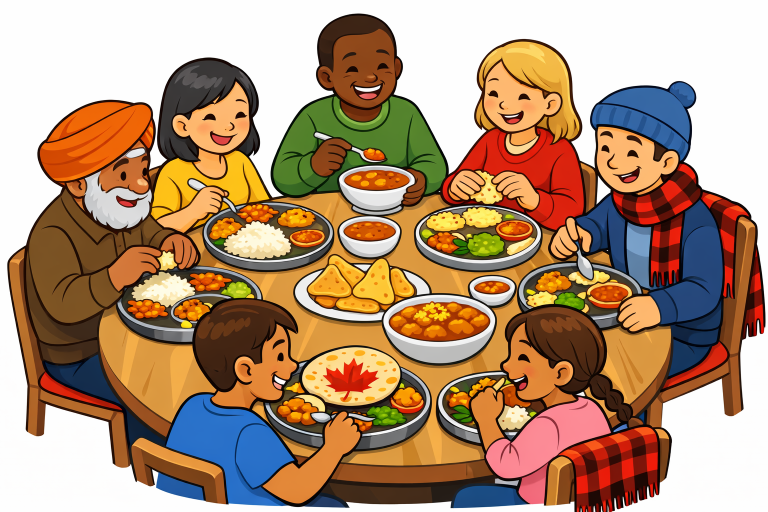
Another emerging trend in the Canadian Indian restaurant scene is the creative use of locally sourced ingredients. Chefs are experimenting with farm-fresh produce, sustainable meats, and regional Canadian flavors, giving Indian classics a unique twist. Dishes such as butter chicken poutine, maple-infused naan, or fusion desserts like cardamom-spiced cheesecake are a testament to the inventive approach adopted by many establishments. The ambiance of these restaurants is also shifting, with open kitchens, modern decor, and interactive chef’s tables, all designed to invite guests into the heart of culinary creation.
Dining at Indian restaurants in Canada today often reflects a harmonious blend of old and new. While some patrons prefer the authenticity of eating with their hands, others use the cutlery provided by the restaurant. This flexibility allows a diverse group of diners to enjoy Indian food comfortably. Indian hospitality shines through in both the warm service and the communal presentation of meals, even as table settings and menus evolve to suit Canadian preferences. Such fusions support both cultural appreciation and inclusivity within multicultural communities (read more about multicultural dining in Canada on CBC Life).
Some restaurants host special events such as regional food festivals, where dishes from specific Indian states are showcased alongside traditional music, dance, or storytelling. These immersive experiences invite diners to go beyond food and engage with broader aspects of Indian heritage, demonstrating how culinary spaces can act as cultural bridges. In addition, food and wine pairings, cocktail menus inspired by Indian spices, and chefs’ tasting menus offer further opportunities for experimentation while maintaining a connection to ancestral recipes.
By embracing both traditional Indian dining etiquette and modern trends, diners in Canada can enjoy a more memorable and meaningful experience. Respecting these customs, sharing great food, and being adventurous with new flavors can turn an ordinary meal into a vibrant culinary journey. As the Indian dining scene continues to thrive and adapt across Canada, it welcomes everyone to participate in its rich and colorful tapestry of flavors and traditions.
Whether you are new to Indian cuisine or a seasoned devotee, taking time to understand the context and intent behind dining rituals enhances appreciation. With Canada’s dynamic and multicultural population, Indian culinary traditions are poised to further innovate and inspire. Exploring this vibrant interplay between custom and creativity, and supporting restaurants devoted to authenticity and bold experimentation, ensures that every meal becomes both an adventure and a celebration.

Ameer Hamza is a versatile content creator with a strong interest in researching and writing on a wide range of topics. His work spans technology, business, health, travel, lifestyle, education, entertainment, finance, and digital trends. He focuses on transforming complex information into clear, engaging, and easy-to-understand content that provides practical value to readers. By relying on credible sources and thorough research, Ameer strives to produce accurate, informative, and up-to-date articles that help readers stay informed and make better decisions.