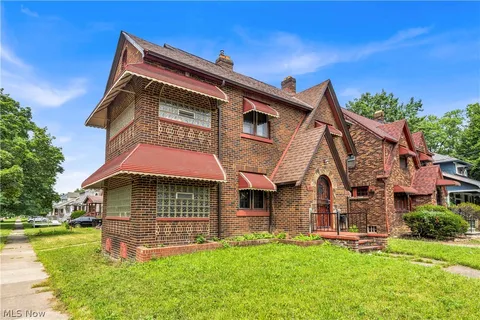
Selling a house quickly does not have to mean making a rushed decision. Whether you are relocating, handling an inherited home, dealing with repairs, or simply ready to move on, the process is easier when you define your timeline before considering offers. Homeowners researching local options can start with https://www.clevelandhousebuyers.com/sell-my-house-fast-in-seven-hills-oh/ and compare the path that best fits their property and goals.
A fast offer and a fast closing are not always the same thing. A buyer may make an offer within days, yet inspections, loan underwriting, title issues, probate documents, liens, or missing signatures can extend the transaction. Planning for those details early protects both your schedule and your proceeds.
Separate the process into three milestones: the listing date, when the property is marketed; the contract date, when you accept a written offer; and the closing date, when ownership transfers. Sellers with several months on the market may have time for a conventional listing. Those facing a firm relocation date or a burdensome vacant property may instead prioritize certainty and convenience.
Write down your non-negotiables before speaking with buyers. These might include a target closing date, the ability to leave unwanted belongings behind, a minimum amount needed to pay off the mortgage, or fewer showings. A clear plan makes it easier to recognize an offer that genuinely works.
There is no universal best method. Some sellers prefer the exposure of a listing, while others value a simpler, direct transaction. For another perspective on direct-sale options, Cleveland, Ohio house buyers can be part of a broader comparison.
A listing can provide broad buyer exposure, professional marketing, and competitive offers. It may also require showings, negotiation, commissions, inspection discussions, and time for a financed buyer to close.
Price is one of the strongest factors in how quickly a property attracts interest. An unrealistic asking price can reduce showings and cause a home to sit. Review recent sales of comparable homes, active competition, location, lot size, layout, upgrades, and known defects. When possible, compare a market analysis, an appraisal opinion, and a written direct offer rather than relying on a single estimate.
Do not automatically undertake expensive renovations before selling. Basic cleaning, decluttering, lawn care, leak repairs, unsafe steps, broken windows, and obvious plumbing problems can improve buyer confidence without creating a long project. Large cosmetic remodels, highly personal design choices, and permit-heavy work may not be worthwhile when the deadline is short.
An as-is sale generally means the buyer evaluates the property in its present condition and accepts the agreed terms without requiring the seller to complete repairs. It does not mean a seller can hide known problems.
Preparation prevents many last-minute surprises. Collect your mortgage payoff information, property tax records, utility bills, HOA documents, improvement permits, warranties, insurance claim records, and repair receipts. If the home is occupied, keep lease agreements and tenant communications on file. Probate, trust, divorce, power-of-attorney, or multiple-owner situations deserve early attention because title questions can slow closing.
The highest purchase price is not automatically the best offer. Create a simple net sheet for every proposal and subtract mortgage payoff amounts, commissions or fees, repair credits, title charges, taxes, concessions, and moving costs. Then evaluate the practical terms: earnest money, proof of funds, inspection rights, appraisal requirements, financing contingencies, closing date, and remedies if a party fails to perform.
Many Ohio residential transfers require sellers to complete and deliver a property disclosure form in good faith. Ohio's residential property disclosure requirements address known material conditions, including the roof, foundation, water and sewer systems, hazardous materials, and other defects. Some transactions have exceptions, including certain court-ordered, foreclosure, fiduciary, and inherited-property transfers, so unusual circumstances may call for legal or title guidance.
A legitimate fast sale should still allow time to read the agreement, verify the buyer, and ask questions. Be cautious about pressure to sign immediately, unclear fees, changing terms that require a quest to transfer a deed before closing, or demands for money up front. The Federal Trade Commission's mortgage relief scam warnings also caution homeowners against companies that promise foreclosure help while seeking payment or control of the deed.
Before closing, respond promptly to title requests, provide identification and ownership documents, and review the settlement statement carefully. Confirm the move-out date, agreed property condition, keys, garage remotes, and any items that remain with the home. Do not cancel insurance or utilities too early, since the agreement may require coverage and service through the closing date.
A direct cash offer may shorten the process, while a well-priced traditional listing may create more competition. The right choice depends on the condition, timeline, and the seller's need for certainty.
Yes. Buyers may purchase a home as-is, but the price should account for repair needs, and the seller should disclose known material issues when required.
Gather records early, confirm payoff information, disclose known issues, answer title questions quickly, and review the contract before signing.
Selling a house fast is about more than finding a buyer quickly. A successful sale requires a realistic price, the right selling method, accurate paperwork, careful comparison of offers, and protection against unnecessary contract risk. With a clear timeline and an organized approach, homeowners can move forward with fewer surprises.

Ameer Hamza is a versatile content creator with a strong interest in researching and writing on a wide range of topics. His work spans technology, business, health, travel, lifestyle, education, entertainment, finance, and digital trends. He focuses on transforming complex information into clear, engaging, and easy-to-understand content that provides practical value to readers. By relying on credible sources and thorough research, Ameer strives to produce accurate, informative, and up-to-date articles that help readers stay informed and make better decisions.