It is easy to think your home is clean when you keep up with dishes, laundry, and quick weekly chores. Most people focus on the surfaces they can see every day, but dirt and buildup often collect in places that are easy to overlook. Over time, those hidden areas can affect how your home smells, feels, and even how comfortable it is to live in.
Deep cleaning goes beyond basic tidying. It focuses on the areas that collect dust, bacteria, odors, and grime over time. If your home has started feeling less fresh, no matter how often you clean, it may be time to look a little deeper. Here are some common signs that your home may need a full deep cleaning.
Sometimes, a home that feels dirty even after cleaning may have hidden pest activity. Small pests often leave behind odors, stains, droppings, and buildup that regular cleaning cannot fully remove. Bedrooms, upholstered furniture, carpets, and dark corners are common places where these problems can go unnoticed for weeks or even months.
Bed bugs are one of the most common hidden pest problems found in homes. They are small, difficult to spot, and usually hide in mattresses, bed frames, furniture, carpets, and even tiny wall cracks during the day. Many homeowners first notice the problem after waking up with itchy bites or seeing tiny dark stains on bedding and pillowcases. Since bed bugs can spread quickly from room to room, early cleaning and inspection are important.
You may notice strange smells in certain rooms, small spots on fabric surfaces, or increased irritation after sleeping. In some situations, homeowners may need professional bed bug extermination services if deep cleaning reveals signs of pest activity hiding inside mattresses, furniture, or carpeting.
One of the biggest signs your home needs deep cleaning is when odors stay around, no matter how much you clean. Air fresheners and candles may cover smells temporarily, but they do not solve the real issue.
Odors often get trapped in carpets, rugs, curtains, couches, and mattresses. Kitchens and bathrooms are also common areas where smells build up over time. Grease, moisture, pet hair, and food particles can settle into surfaces and create unpleasant odors that continue returning.
Deep cleaning helps remove the source of the smell instead of just covering it up. Steam cleaning carpets, washing fabrics, and scrubbing overlooked areas can help your home feel fresh again.
If you feel like dust comes back right after cleaning, your home may need more than a quick wipe-down. Dust often collects in places that are not cleaned regularly, including ceiling fans, air vents, baseboards, blinds, and under furniture.
When dust builds up in hidden areas, it spreads through the air every time someone walks through the house or turns on the air conditioning. This can make rooms feel stuffy and uncomfortable.
Excess dust may also trigger allergies, sneezing, itchy eyes, or coughing indoors. A proper deep cleaning focuses on the areas that trap dust and helps improve indoor air quality throughout the home.
Floors go through constant wear every day. Dirt from shoes, pets, spills, and daily traffic slowly settles into carpets and flooring materials. At some point, mopping and vacuuming alone may stop making much of a difference.
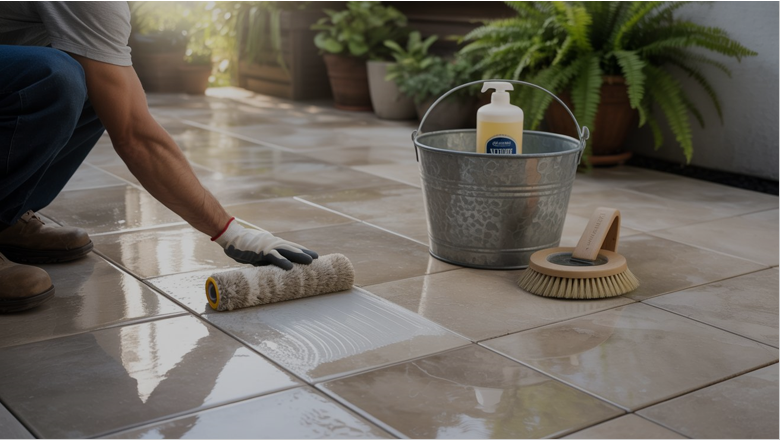
You might notice dull hardwood floors, stained carpets, sticky tile, or dark grout lines that never seem clean. These are common signs that dirt has built up below the surface.
Deep cleaning floors often involves stronger cleaning methods that remove trapped dirt and restore the appearance of the space. Even one deep cleaning session can make a noticeable difference in how fresh a room feels.
Bathrooms and kitchens collect moisture, grease, soap residue, and bacteria every day. These spaces may start looking dirtier faster than the rest of the house, even when cleaned regularly.
Kitchen cabinets can collect grease buildup without you noticing it at first. Bathrooms often develop soap scum, mold spots, and grime around sinks, tubs, and tile corners. Over time, these issues become harder to remove with simple daily cleaning products.
A deep cleaning focuses on scrubbing neglected areas, disinfecting surfaces, and removing buildup that slowly collects over months. This can help these important rooms feel cleaner, brighter, and easier to maintain.
Sometimes the problem is not dirt alone. Too much clutter can make a home feel messy and stressful, even after cleaning. Piles of clothing, overflowing storage spaces, and crowded surfaces often trap dust and make it harder to clean properly.
When clutter builds up, people are less likely to clean underneath or behind items. This allows dirt and dust to collect over time.
Deep cleaning often works best when combined with organizing. Removing unnecessary items can make your home easier to clean and more comfortable to live in. Even small changes can help rooms feel more open and fresh.
If your allergies seem worse inside the house, hidden dirt and dust may be part of the problem. Dust mites, pet dander, pollen, and mold particles can collect inside fabrics, vents, and carpets over time.
Bedrooms are especially important because mattresses, blankets, curtains, and upholstered furniture trap allergens easily. Living rooms and air vents are also common problem areas.
Deep cleaning can help reduce these irritants and improve the air quality in your home. Washing fabrics, vacuuming deeply, and cleaning overlooked areas may help create a more comfortable environment for everyone in the household.
Keeping up with everyday chores is important, but every home eventually needs deeper attention. Hidden dirt, lingering odors, dust buildup, and clutter can slowly affect the comfort and cleanliness of your space without you fully realizing it.
Paying attention to these warning signs can help you address problems early and create a healthier environment for your family. A deep cleaning does not just improve how your home looks. It can also help your home feel fresher, more comfortable, and easier to enjoy every day.

This post has been published by the admin of our website, responsible for content management, quality checks, and providing valuable information to our users.