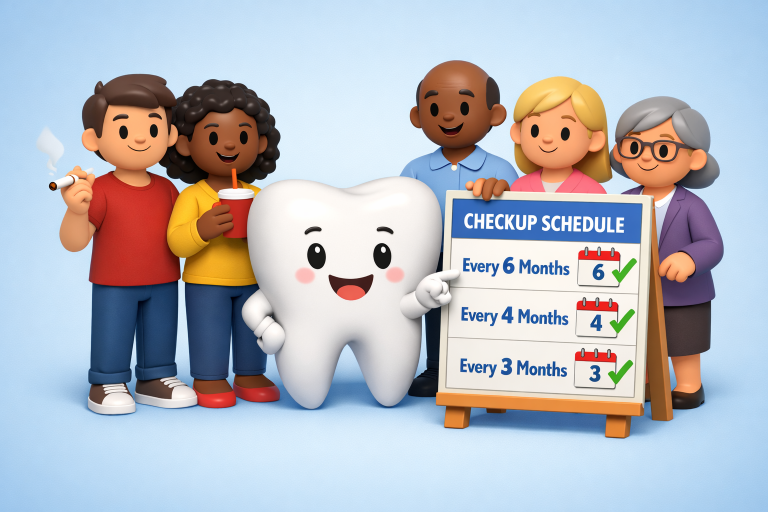
Routine dental checkups are an important part of oral health maintenance, but they may not always go far enough for everyone. For individuals with unique health challenges or preexisting dental concerns, simply attending dental appointments twice a year might leave significant needs unaddressed. Factors such as existing systemic illnesses, personal oral history, and daily habits often require a more nuanced and individualized dental care approach. Talking to a biological dentist can help you decide whether routine checkups are the right frequency for your situation, or if a custom schedule better safeguards your oral and overall health.
Some groups are more vulnerable to oral disease, making standard recommendations insufficient. A tailored approach ensures risks are managed before they turn into long-term or costly issues. These targeted strategies can mean the difference between ongoing oral issues and sustainable wellness.
Certain medical conditions increase the likelihood of encountering dental complications. People living with diabetes, heart disease, or weakened immune systems face a heightened risk of gum disease and oral infections. For instance, gum inflammation can elevate blood sugar levels in diabetics, establishing a harmful cycle between oral and systemic health. Such high-risk groups may benefit from professional dental cleanings three or four times per year rather than the standard two annual visits, as frequent checkups help manage symptoms and prevent escalation.
Further, children, pregnant women, and seniors often fall into high-risk categories due to hormonal changes, developing or aging immune systems, and, in some cases, medications that reduce saliva production. Personalized schedules tailored to these life stages enable consistent monitoring and prompt intervention when issues arise.
Lifestyle choices play a significant role in oral health outcomes. Smokers are much more likely to experience gum disease and even tooth loss, given that tobacco dramatically reduces blood flow to the gums and delays healing. High sugar consumption also increases cavity risk, as bacteria in the mouth break down sugars and produce acids that erode tooth enamel. Individuals following high-sugar diets or who use tobacco products may need to schedule dental checkups more often to prevent and detect damage early.
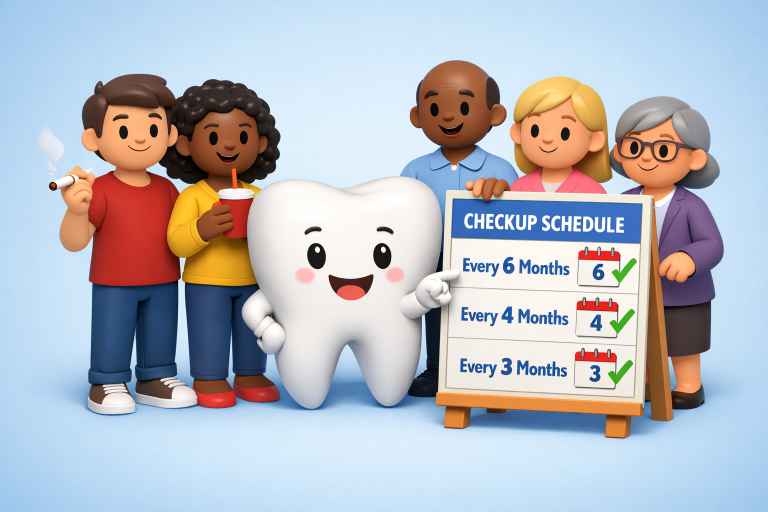
A personal history of dental problems, such as recurring cavities or gum disease, may indicate that standard dental visit intervals are not effective. In these cases, dentists often advise more frequent monitoring to catch signs of relapse before they progress. Addressing such issues early lessens the risk of invasive treatments and tooth loss, allowing patients to maintain natural teeth and better overall health in the long run.
No two mouths are the same, and dental care should reflect individual needs. Dentists are encouraged to consider personal risk factors, including medical history, lifestyle, and past dental problems, when constructing a care plan. A personalized schedule for checkups and cleanings empowers patients to stay ahead of potential problems and can stave off more serious systemic health concerns. According to the Mayo Clinic, this tailored approach is key, as dental and general health are closely intertwined.
When constructing these plans, it is important for the dental professional to proactively communicate with patients about their evolving health needs and lifestyle patterns. Patients who feel actively involved in their care are also more likely to follow through on recommendations, preventative steps, and timely treatments. A personalized approach does not end outside the dentist’s office; patients are often advised on specific at-home dental hygiene routines, dietary changes, and oral health monitoring techniques to ensure they play an integral part in maintaining their well-being. Continued education and collaborative discussion between dentist and patient pave the way for dynamic, responsive care that adjusts as needs shift over a lifetime.
The relationship between oral health and general health is well-documented. Oral infections and untreated gum disease have been linked to complications such as heart disease and adverse pregnancy outcomes. For at-risk populations, seamless communication and collaboration between dental and primary care professionals are essential. Integrated care models promote early detection, comprehensive treatment, and better overall patient outcomes. The Centers for Disease Control and Prevention (CDC) reinforces that oral health is truly an essential component of overall wellness.
Recent years have seen an increasing number of integrated clinics where dental and medical professionals cooperate under one roof. This can be especially beneficial for patients managing complex or chronic health issues. In these environments, dental findings can be considered alongside broader health assessments, and vice versa, ensuring a whole-body approach to health. The harmonization of these two disciplines encourages comprehensive patient records, more accurate diagnoses, and ultimately better patient adherence to recommended regimens.
Even individuals who have dental insurance sometimes avoid checkups due to high out-of-pocket costs. Nationwide, financial obstacles remain one of the most persistent barriers to receiving consistent dental care, leading many adults to delay or forgo essential preventive services. Bridging this gap with affordable coverage options or expanded community dental programs is necessary so that at-risk populations are not left behind.
Community health initiatives and mobile dental clinics have proven effective in extending critical services to underserved groups, particularly in rural or economically disadvantaged areas. By investing in these resources, communities can help prevent the escalation of untreated oral health issues into more serious medical concerns. Public education campaigns on the importance of preventive dental care, combined with accessible financial solutions, can empower more individuals to take control of their oral health. Ultimately, reducing financial barriers is as essential as clinical excellence in ensuring broad access to high-quality dental care.
Not everyone will receive adequate care with biannual dental visits. Patients with chronic conditions, challenging lifestyles, or a history of oral health issues should consult their dentists to determine a schedule that truly meets their needs. Personalized care, more frequent monitoring, and coordinated dental and medical services are crucial in maintaining both oral and overall well-being. Ultimately, taking a proactive approach will help ensure a healthier future.
By staying informed, asking the right questions, and engaging with dental professionals about their circumstances, patients can shape a dental care plan that anticipates and mitigates future risks. This individualized methodology encourages preventive care, helps avoid the pain and expense of serious treatments, and supports lifelong oral health for all. Remember, optimal dental care is not just about frequency, it's about finding the best fit for your unique life and health journey.

Ameer Hamza is a versatile content creator with a strong interest in researching and writing on a wide range of topics. His work spans technology, business, health, travel, lifestyle, education, entertainment, finance, and digital trends. He focuses on transforming complex information into clear, engaging, and easy-to-understand content that provides practical value to readers. By relying on credible sources and thorough research, Ameer strives to produce accurate, informative, and up-to-date articles that help readers stay informed and make better decisions.