As modern workplaces continue to evolve, a deepening focus on wellness and productivity has driven a fresh approach in office design. Integrating nature into office environments is no longer seen as a luxury but rather a vital component of a healthy, effective workplace. Biophilic design, centered around reconnecting people with nature, has become a leading trend, influencing how workspaces look and feel. Find out more about how biophilic principles can transform your office for the better.
This new era of design prioritizes employee well-being by incorporating elements that mimic the outdoors, such as natural materials, daylight, and living plants. The result is a healthier environment that supports mental and physical health and enhances performance outcomes. As companies compete for top talent and strive to boost engagement, biophilic design is becoming a powerful differentiator. Undeniable benefits drive the momentum behind biophilic workspaces. Employees prefer environments that feel open and organic rather than sterile or artificial. Businesses adopting these design methods often report higher workforce retention and satisfaction, leading to long-term cost savings. A thoughtful biophilic strategy signals to staff that their well-being is prioritized.
Successful implementation involves more than adding a few potted plants. It requires a purposeful blend of natural elements that evoke tranquility and encourage inspiration. This foundational shift is evident in offices worldwide, making biophilic design one of the most impactful workplace trends for 2026.
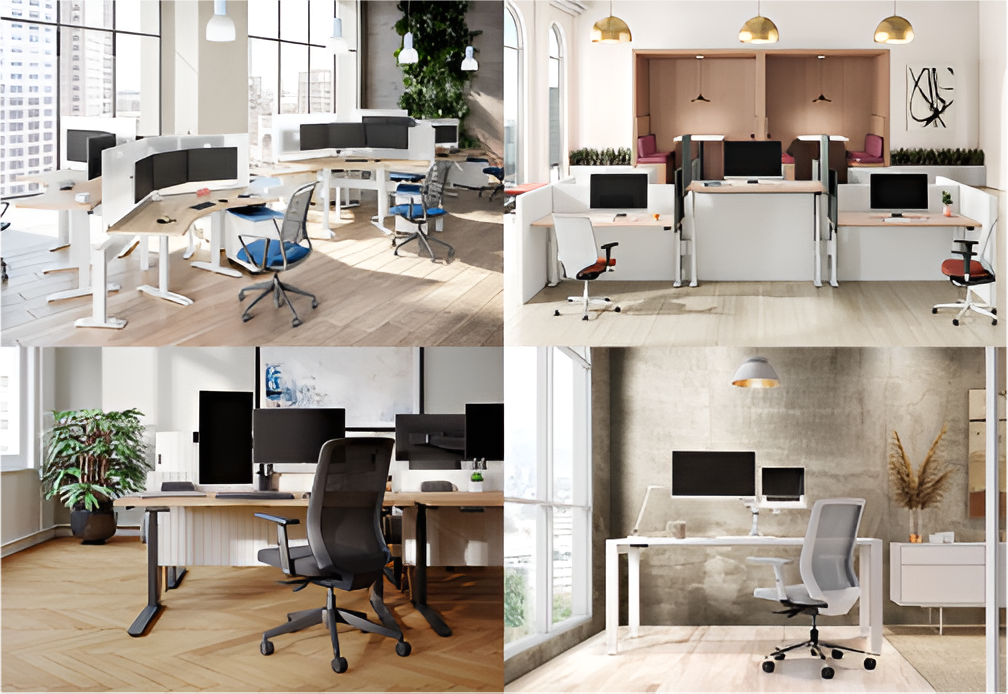
Utilizing organic materials such as wood, stone, and bamboo within office interiors provides not only aesthetic appeal but also a sensory connection to the outdoors. Workspaces that feature exposed timber beams, stone accents, or bamboo furnishings give employees a tactile reminder of nature, which research indicates can lower stress and improve overall mood. This approach also conveys a commitment to sustainability, reflecting positively on workplace culture. For organizations seeking to be environmentally conscious, using reclaimed or responsibly sourced materials can further enhance their green credentials. Offices that prioritize eco-friendly materials often find that employees respond positively to visible demonstrations of corporate responsibility. These features can also be tailored to reinforce a brand’s core identity, such as using local wood species or unique regional stones for a more personalized touch. Thoughtful material selection underlines an intentional connection between the built environment and the natural world, making the workspace more memorable and meaningful.
Allowing daylight to permeate a workplace does more than brighten the environment. Offices designed with large windows, skylights, and open layouts benefit from increased natural light, which has been closely linked to improvements in mood, alertness, and productivity. Additionally, orienting workstations toward windows can help reduce eyestrain and fatigue, leading to more comfortable, effective workdays. Incorporating daylight also supports energy-efficiency efforts by reducing reliance on artificial lighting. Modern lighting solutions often mimic natural daylight, providing a consistent experience even in interior spaces with few windows. Dynamic lighting systems that adjust throughout the day in sync with circadian rhythms can further support employee energy levels and focus. This thoughtful approach to lighting bridges the gap between nature and technology, ensuring that employees benefit from a harmonious workplace atmosphere no matter how the space is configured.
Plants and living walls have emerged as central elements of biophilic design. Research highlights how greenery can improve indoor air quality by filtering toxins and increasing oxygen levels. Beyond the physical health benefits, the presence of plants can boost creative thinking and reduce absenteeism, setting the stage for a more vibrant, productive workplace. Innovative workplaces often experiment with diverse plant varieties to create visually dynamic interiors. Incorporating seasonal blooms or edible plants can make shared spaces interactive and engaging, encouraging team members to connect with their surroundings. Office gardens, whether in atriums or rooftop spaces, can serve as relaxation zones, supporting informal collaboration and personal restoration. Over time, these living features become part of a company’s visual identity, adding unique character to the workspace.
Today’s workforce values flexibility, and biophilic design supports this by encouraging adaptable environments. From lounge areas that overlook rooftop gardens to private alcoves framed by planters, companies are diversifying workspace options. Outdoor patios, terraces, and garden-facing meeting rooms offer appealing alternatives to the traditional office desk, enabling employees to choose environments that suit their preferred working styles. Creating these spaces also encourages movement and socialization, which are important for employee engagement. Designing for flexibility also entails creating spaces that can evolve. Easily reconfigurable furniture and movable partitions allow companies to adapt interiors for hybrid work styles, collaboration, or quiet focus. In addition, integrating outdoor workspaces or garden access can provide a refreshing alternative for meetings and creative sessions, enriching both productivity and team morale. The ability to shift between different environments throughout the day nurtures innovation and empowers employees to take ownership of their workspace experience.
Many companies, large and small, have adopted elements of biophilic design. For example, offices with living green walls, natural wood partitions, and water features report measurable improvements in employee satisfaction. According to Forbes, these strategies not only support wellness but can also help reinforce brand values and attract talent, serving as an asset in recruitment and retention efforts. Businesses that invest in nature-inspired spaces often experience increased productivity, enhanced creativity, and reduced employee stress levels. In addition, biophilic environments can create a more welcoming atmosphere for clients and visitors, helping companies leave a positive and lasting impression. As workplace expectations continue to evolve, integrating natural elements into office design is becoming an increasingly valuable approach for fostering both employee well-being and long-term business success.
While the advantages are substantial, there are some challenges to consider. Maintaining living elements such as plants and green walls can require resources and planning, particularly in larger offices. Initial investment in natural materials and specialized installations may be higher compared to conventional design. Nevertheless, organizations often find that the resulting improvements in retention, engagement, reduced healthcare costs, and overall morale far outweigh initial outlays. Fostering a long-term culture of well-being and sustainability delivers value year after year. Companies implementing biophilic design should also consider inclusivity, ensuring that spaces accommodate people with allergies, different mobility needs, or sensory sensitivities. By engaging employees in the design process, seeking feedback through surveys, focus groups, or pilot projects, organizations can create spaces that are both beautiful and practical. Considering ongoing training for plant care, as well as partnerships with local botanical experts, can bolster success and extend the benefits of biophilic design well into the future.
Integrating biophilic design trends into modern workspaces in 2026 offers a strategic advantage for organizations seeking to build healthier, more productive teams. Through the deliberate use of natural materials, the maximization of daylight, and the inclusion of living greenery, these spaces cultivate a strong connection among employees to their environment. Ultimately, the shift toward nature-inspired office design demonstrates a forward-thinking approach that benefits employees and businesses alike.

Ameer Hamza is a versatile content creator with a strong interest in researching and writing on a wide range of topics. His work spans technology, business, health, travel, lifestyle, education, entertainment, finance, and digital trends. He focuses on transforming complex information into clear, engaging, and easy-to-understand content that provides practical value to readers. By relying on credible sources and thorough research, Ameer strives to produce accurate, informative, and up-to-date articles that help readers stay informed and make better decisions.